Best Time to Go
Mid-September – late October
Most Michigan cider mills run a genuine fall season rather than staying open year-round — many operate weekends-only from early September and shift to daily hours once the harvest peaks in late September and October. Call ahead in early September and after Halloween; hours contract sharply on both ends of the season.
In This Guide
Why Michigan Still Has Working Cider Mills Dexter Cider Mill: The Oldest in the State Franklin Cider Mill: Nearly 200 Years on the Same Water Uncle John's Cider Mill: Five Generations in St. Johns Robinette's Apple Haus: A Grand Rapids Institution Beyond the Big Names: Farm Stands Worth the Detour What to Actually Bring HomeMichigan's cider mills are not a manufactured fall photo-op. Most of the well-known ones are genuinely old — working mills that have pressed apples on the same ground, sometimes with the same style of press, for a century or more, run today by the fourth or fifth generation of the family that started them. That history is why a Michigan cider mill visit tends to deliver more than a jug of cider and a bag of donuts: a working water wheel, a press built before your grandparents were born, an orchard that predates the state highway running past it.
Why Michigan Still Has Working Cider Mills
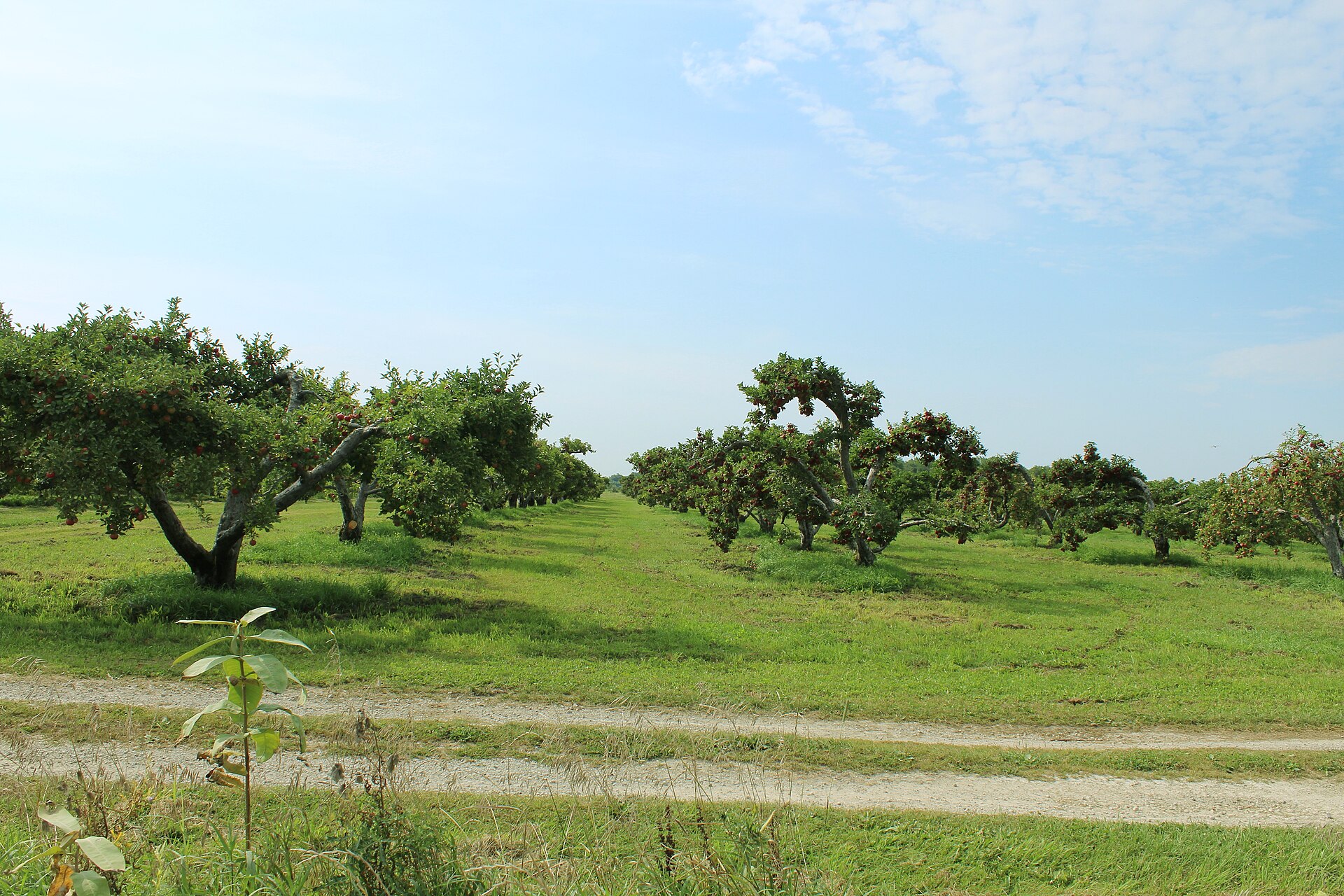
Southern Michigan's glacial soils and lake-moderated climate made it serious apple country well before refrigerated trucking existed, and a cluster of grist mills built along the state's rivers in the 1800s were perfectly positioned to be converted into cider mills once demand shifted from flour to fresh-pressed juice. Several of the mills below started life grinding grain, not apples — the equipment and the water power were already there, and switching to cider was a matter of swapping the press, not building from scratch. That's a real, structural reason so many of Michigan's oldest cider mills sit on small rivers rather than open farmland: they were built to catch water power first, apples second.
Dexter Cider Mill: The Oldest in the State
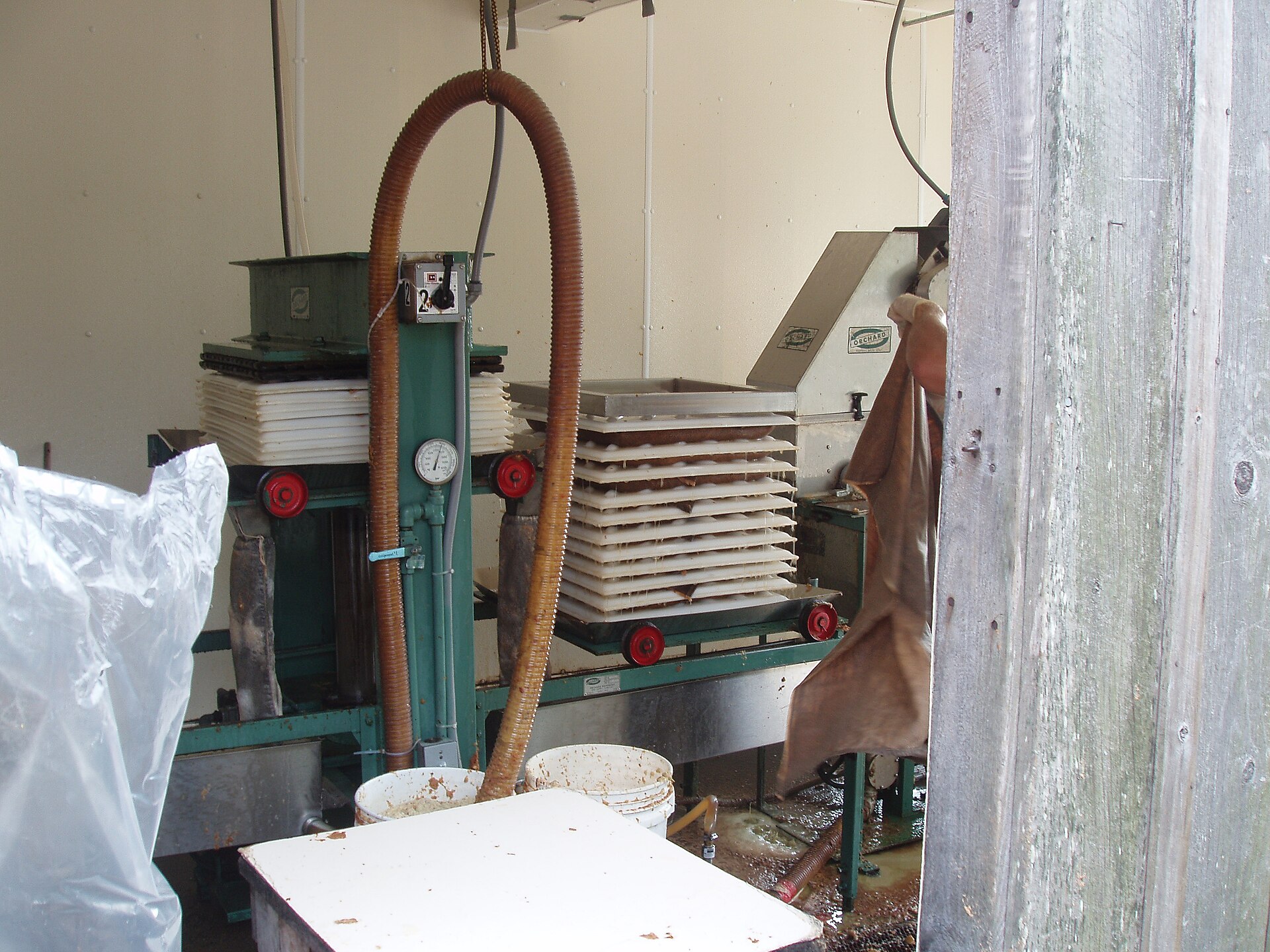
Built in 1886 by Civil War veteran William Van Natter, the Dexter Cider Mill holds the specific, verifiable distinction of being Michigan's oldest continuously operating cider mill — not the oldest building used as one, but the oldest that has been pressing cider without interruption since it opened. It has had only three owners in nearly a century and a half: the Van Natter family who built it, the Wagner family who bought it in 1900 and ran it for 86 years, and the current owners since 1986. The mill still uses an oak rack press and blends three to five apple varieties into each batch, the same basic method it opened with.
Franklin Cider Mill: Nearly 200 Years on the Same Water
The building at Franklin Cider Mill dates to 1837, when it opened as a grist mill on the Franklin River in what's now Bloomfield Hills — construction had actually started in 1832 but stalled for lack of money until Peter VanEvery finished it. It operated as a flour mill for decades before James Flynn installed the first water-powered apple press in 1914, and the property was purchased in 1918 by Robert McKee, the point most historians mark as the actual birth of Franklin Cider Mill as a cider operation rather than a grain mill. The site is a recognized National Historic Site today, still running a 90-ton cider press and the original water wheel, and has passed through only a handful of owners since — three decades under Jacob Peltz starting in the 1960s, then his son, and now his granddaughter, Melanee Peltz Radner.
Uncle John's Cider Mill: Five Generations in St. Johns
The Beck family farm north of Lansing traces back to the late 1800s, but Uncle John's Cider Mill itself began in the early 1970s, when John and Carolyn Beck took over the property from his parents and found that growing and selling fruits and vegetables alone wasn't paying the bills. Doughnuts and fresh cider became the pivot that saved the farm, and the mill takes its name from the running joke of family members showing up to help convert the barn and constantly asking, "Uncle John, whaddaya want me to do next?" It's now run by the fifth generation of the Beck family, and has grown to include a working winery and regular live music alongside the original cider-and-doughnuts operation.
Robinette's Apple Haus: A Grand Rapids Institution
Edward Robinette bought the 125-acre farm northeast of Grand Rapids in 1911 while visiting a friend, and it was purely a fruit orchard — apples, peaches, cherries — for its first sixty years. The cider mill didn't arrive until 1971, donuts came the following year, and the Apple Haus building itself opened in 1973 in direct response to how many people were already showing up for cider and donuts. A gift barn followed in 1985 and a working winery in 2006. Four generations of the same family have run it continuously since 1911, and the modern operation — apple picking, hayrides, a corn maze, wine tasting — is really a slow century-long accretion onto that same original fruit farm.
Beyond the Big Names: Farm Stands Worth the Detour
The famous mills get the road-trip write-ups, but Michigan's real farm-stand density is in its smaller, single-family operations scattered through fruit-growing country — the lakeshore fruit belt from South Haven up toward Holland, the rolling orchard country around Hastings and Greenville, and the belt of small towns ringing Lansing. These are worth seeking out specifically because they're smaller: shorter lines, a farmer who'll actually tell you which varieties are ready this week, and produce that was picked that morning rather than trucked in. If a farm stand has a hand-lettered sign instead of a printed banner, that's usually a good sign, not a bad one.
What to Actually Bring Home
Fresh cider and cider donuts are the obvious grab, but neither travels well — cider needs refrigeration and drinks fastest within a week or two, and donuts are genuinely best the same day. If you're driving more than an hour home, or you want something that survives the trip and makes a real gift rather than a snack eaten in the car, look for what the mill or farm stand sells beyond the fresh stuff: apple butter, jarred preserves, honey from the farm's own hives, and dried fruit all hold for months rather than days.
That's also where Michigan's wild-foods side of the pantry fits in — products that are shelf-stable by nature rather than requiring a cooler. The Gourmet Gleaner, a Wayland-based operation working the woods around Grand Rapids, sells dried wild-foraged mushrooms and Michigan herbal teas built specifically to ship and store — a genuinely different category from orchard produce, and one that pairs naturally with a fall farm-stand haul if you want something from the trip that's still good at Christmas. See our full West Michigan foraging guide for the seasonal details on what they carry.