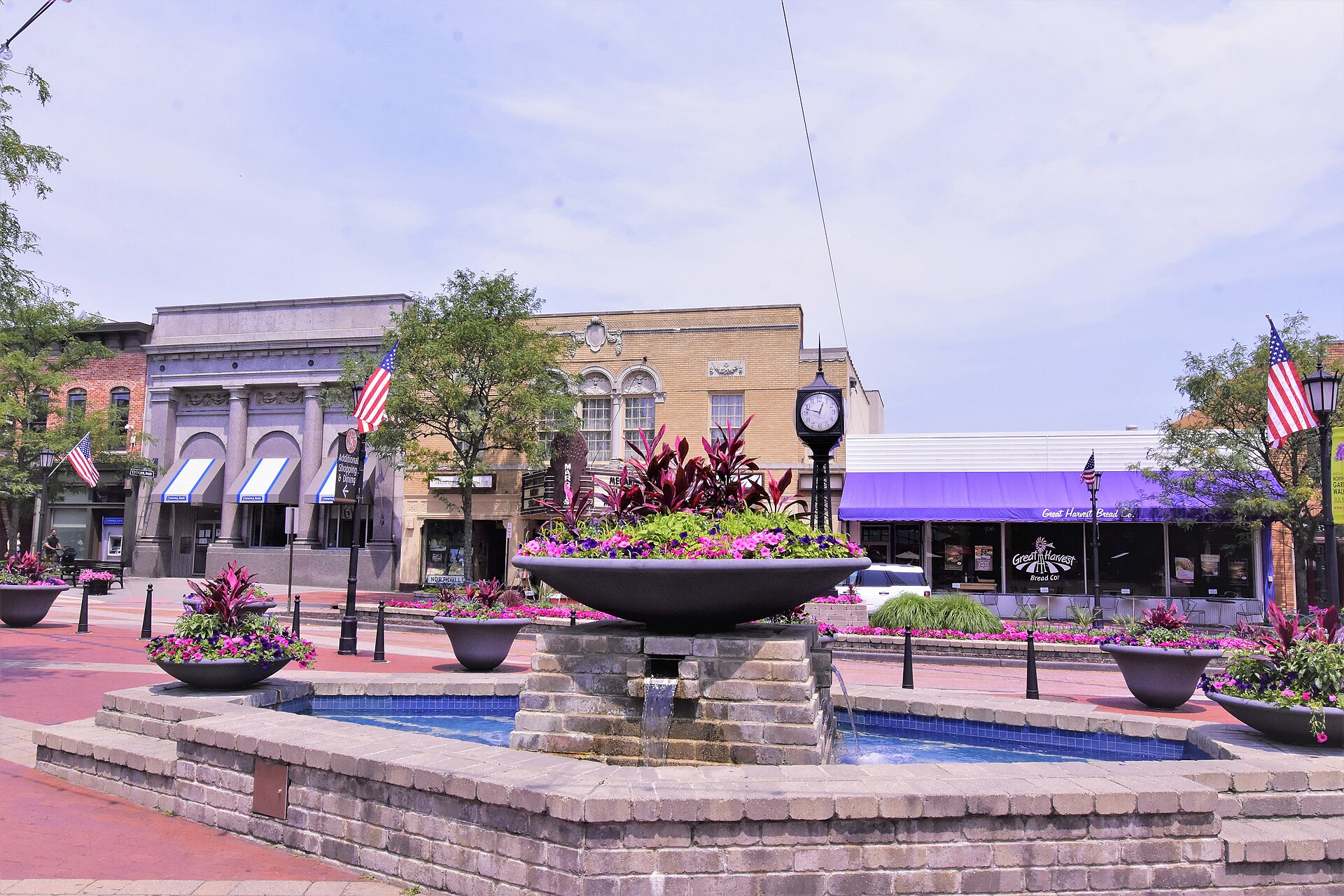
Northville sits at the western edge of Wayne County, a genuinely well-preserved small-town downtown surrounded on nearly all sides by the denser development of metro Detroit, and for eight decades the town's identity was closely tied to a harness racing track that once made genuine Michigan sporting history before finally closing for good in 2024.
Michigan's First Night Harness Track
Northville Downs opened on August 4, 1944, on the site of the former Wayne County Fairgrounds, a property where horse racing activity actually dated back to 1907, well before the formal racetrack's establishment. The half-mile oval made genuine Michigan sporting history at its opening, becoming the state's first harness track to offer nighttime racing under lights and the first to provide sustained pari-mutuel betting, innovations that established Northville as a genuine pioneer in Michigan's horse racing industry from its very first season.
The track operated continuously under the Wayne County Fairgrounds name until a 1988 rebrand formally adopted the Northville Downs name it would carry for the remainder of its run, hosting harness racing for eighty consecutive years before finally holding its last night of competition on February 3, 2024, closing a chapter of Michigan sporting history that had begun during the Second World War.
A Historic Downtown That Outlasted the Track
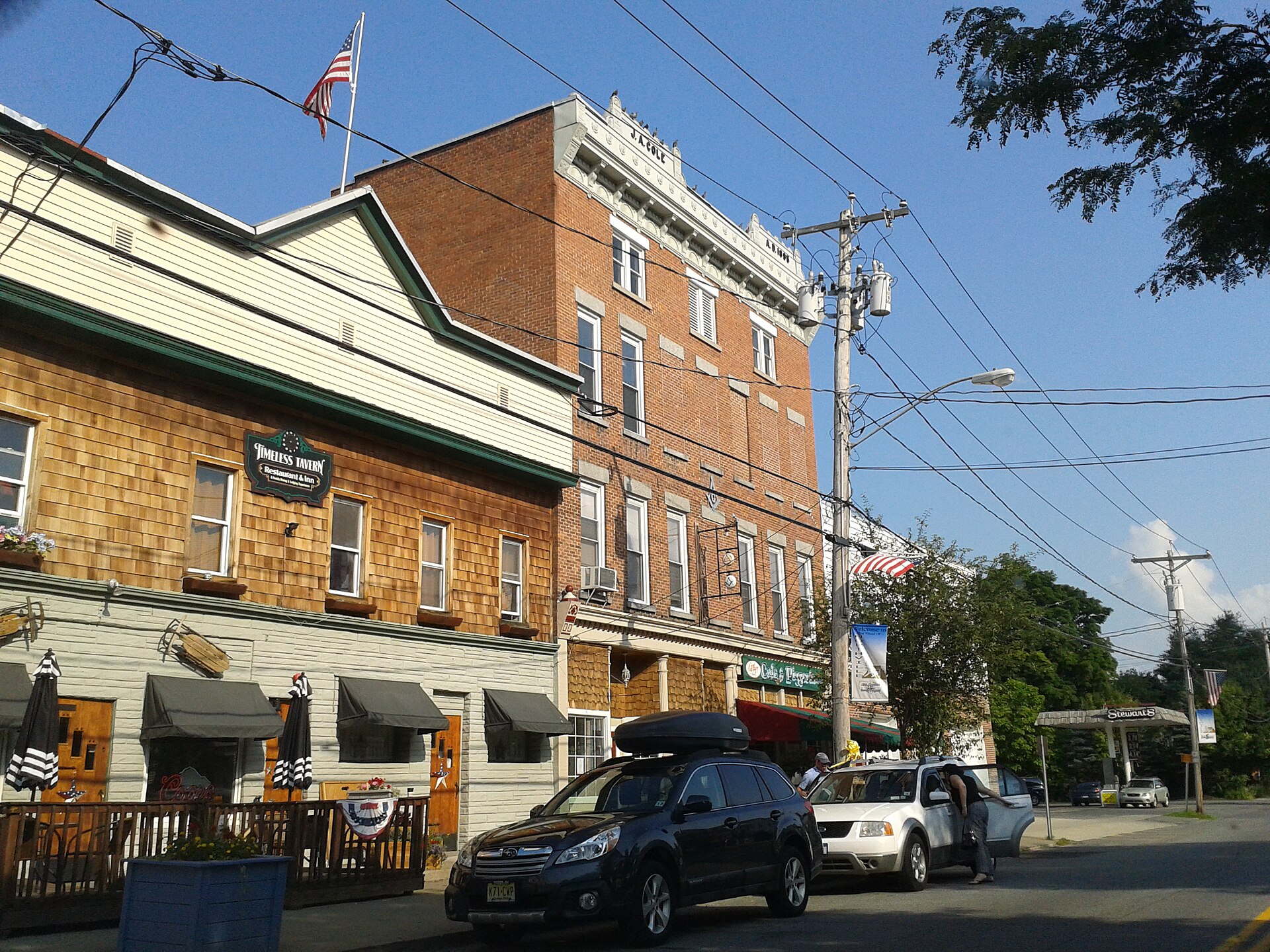
Northville's own downtown, considerably older than the racetrack that closed in 2024, has retained a genuinely well-preserved historic character built around a walkable Main Street of independent shops and restaurants, giving the town a distinct identity separate from its former racing history even as that track anchored much of the community's twentieth-century economy and social calendar. Redevelopment plans for the former racetrack site have followed its 2024 closure, part of a broader pattern of former Michigan racing venues being repurposed as the state's harness racing industry has contracted in recent decades.
Visitors today tend to come to Northville specifically for that preserved downtown rather than any remaining connection to the track, a walkable historic core that has proven considerably more durable than the eighty-year racing institution that once shared the town's name.