In This Guide
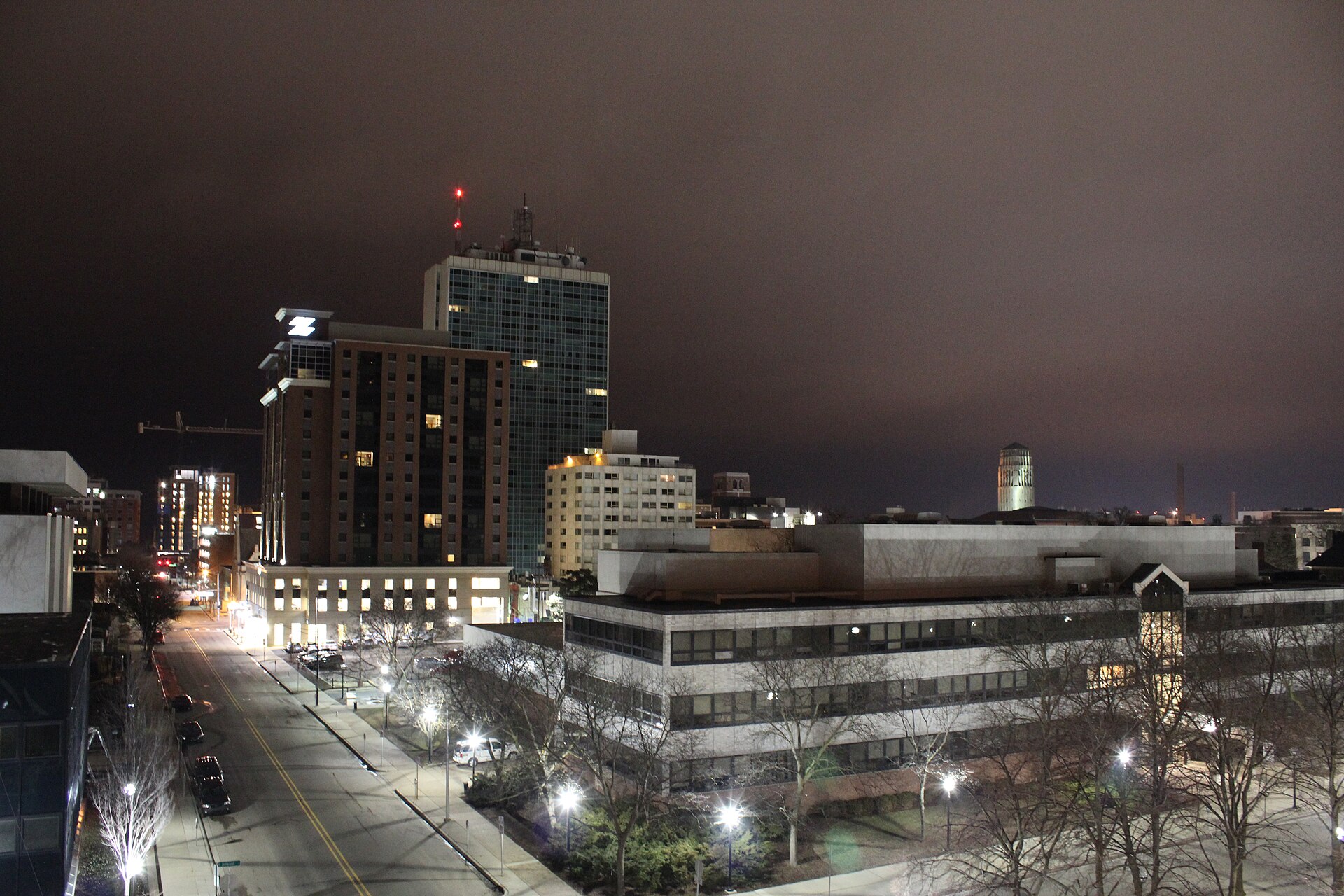
Michigan Stadium and Football Saturdays The Diag and a Serious Research Legacy Zingerman's and a Food Culture Beyond the CampusThe University of Michigan dominates Ann Arbor in the way a large lake dominates the towns along its shore — shaping the economy, the architecture, and the rhythm of the calendar, football Saturdays most of all. But Ann Arbor has, over decades, built enough independent cultural infrastructure — bookstores, research institutions, a genuinely serious restaurant scene — that it functions as a legitimate destination even during the summer months when the student population empties out.
Michigan Stadium and Football Saturdays
Michigan Stadium, known universally as 'the Big House,' seats over 107,000 people, making it the largest stadium in the Western Hemisphere, and on a home football Saturday its attendance briefly makes it the third-largest city in Michigan. The scale is genuinely disorienting in person — a bowl of humanity large enough that the crowd noise registers as a physical sensation rather than merely an auditory one.
The Diag and a Serious Research Legacy
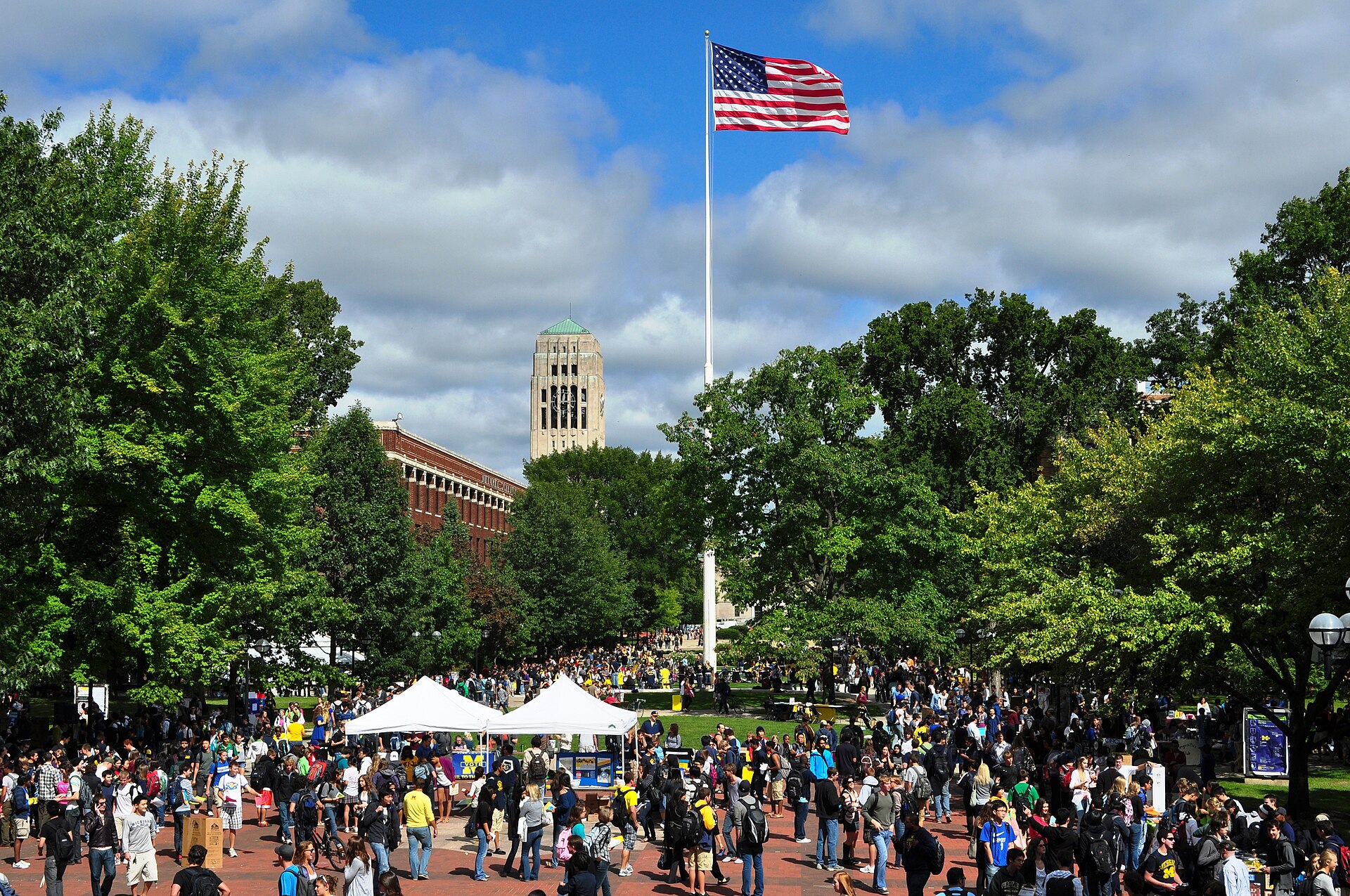
The Diag, the university's central cross-campus green space, anchors a campus responsible for research contributions ranging from the first successful polio vaccine trials, led by Jonas Salk while at the University of Michigan, to significant early work in computing and robotics. The University of Michigan Museum of Art and the Kelsey Museum of Archaeology, both free to the public, give visitors access to serious collections without the crowds or admission fees of comparable big-city institutions.
Zingerman's and a Food Culture Beyond the Campus
Zingerman's Delicatessen, founded in 1982, has grown from a single sandwich shop into a genuine local food conglomerate — a bakery, creamery, coffee roaster, and mail-order business collectively known as Zingerman's Community of Businesses — and its influence on Ann Arbor's broader culinary reputation is difficult to overstate. Kerrytown, the historic market district a few blocks from downtown, houses a year-round farmers market and a dense cluster of independent food shops that give the city a genuine food-culture identity distinct from its university affiliation.