Best Time to Go
September 18 – October 3, 2026 (ArtPrize)
ArtPrize takes over Grand Rapids' downtown for 17 days, with public art installed across dozens of venues and a Preview Week (Sept 12–17) beforehand for those who want to beat the crowds.
Grand Rapids spent much of the twentieth century as a furniture-manufacturing city best known outside Michigan, if known at all, as the hometown of President Gerald Ford. Two developments changed that: a brewing scene dense enough that the city won an online popular vote for 'Beer City USA' in 2012 and 2013, and ArtPrize, a radically democratic public art competition that has, since 2009, turned the entire downtown into a temporary gallery each fall.
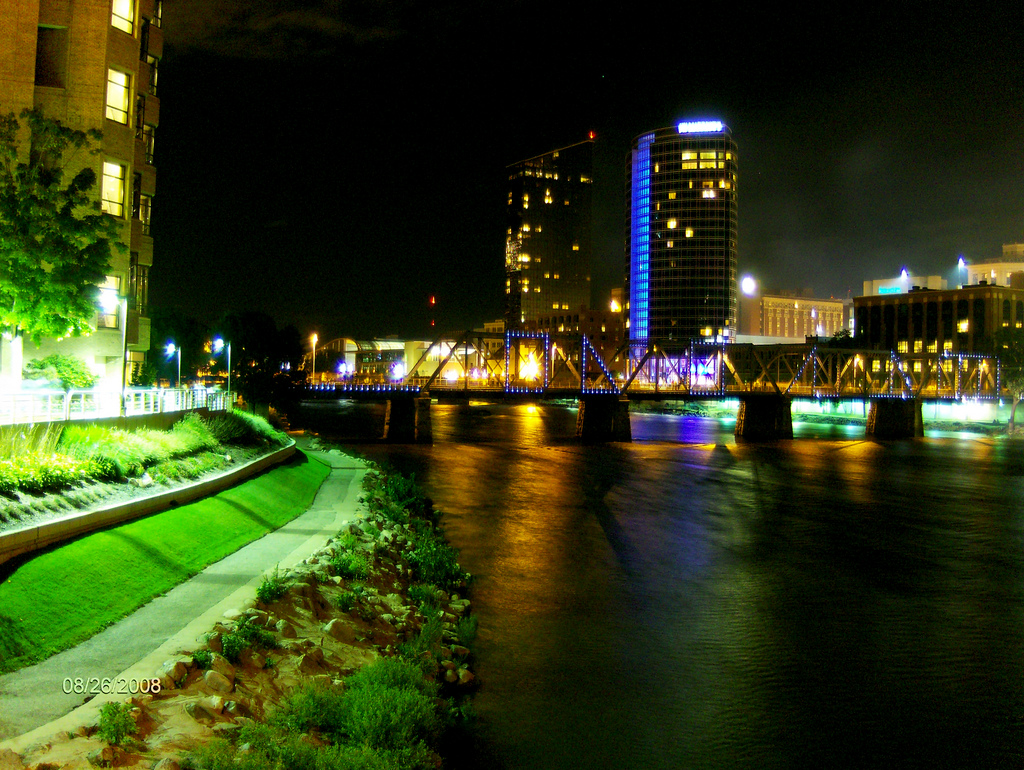
ArtPrize and a Downtown Built for Walking
ArtPrize installs contemporary artwork throughout downtown Grand Rapids each September and October — in museum galleries, but also in restaurant windows, hotel lobbies, and public plazas — and lets the public vote alongside a juried panel to determine winners, an arrangement that has drawn both enthusiastic participation and periodic debate over populist versus curatorial judgment. Whatever one makes of the format, the event has left a lasting civic habit of treating downtown's riverside pathways and bridges as exhibition space year-round.
The Grand River itself runs directly through downtown, and a series of low rapids that gave the city its name are being restored as part of a long-running project to remove low-head dams and reintroduce whitewater to the urban core, alongside a fish passage meant to let sturgeon and other native species migrate upstream again.
Beer City Reputation
Founders Brewing and Brewery Vivant, among a dense cluster of others, helped cement Grand Rapids' reputation as a serious beer town, and the concentration of breweries within a compact, walkable downtown remains unusual even by Michigan's already brewery-dense standards. The city's craft beer trail has become a legitimate tourism draw independent of any single brewery, with several offering tours that double as informal introductions to the neighborhoods surrounding downtown.
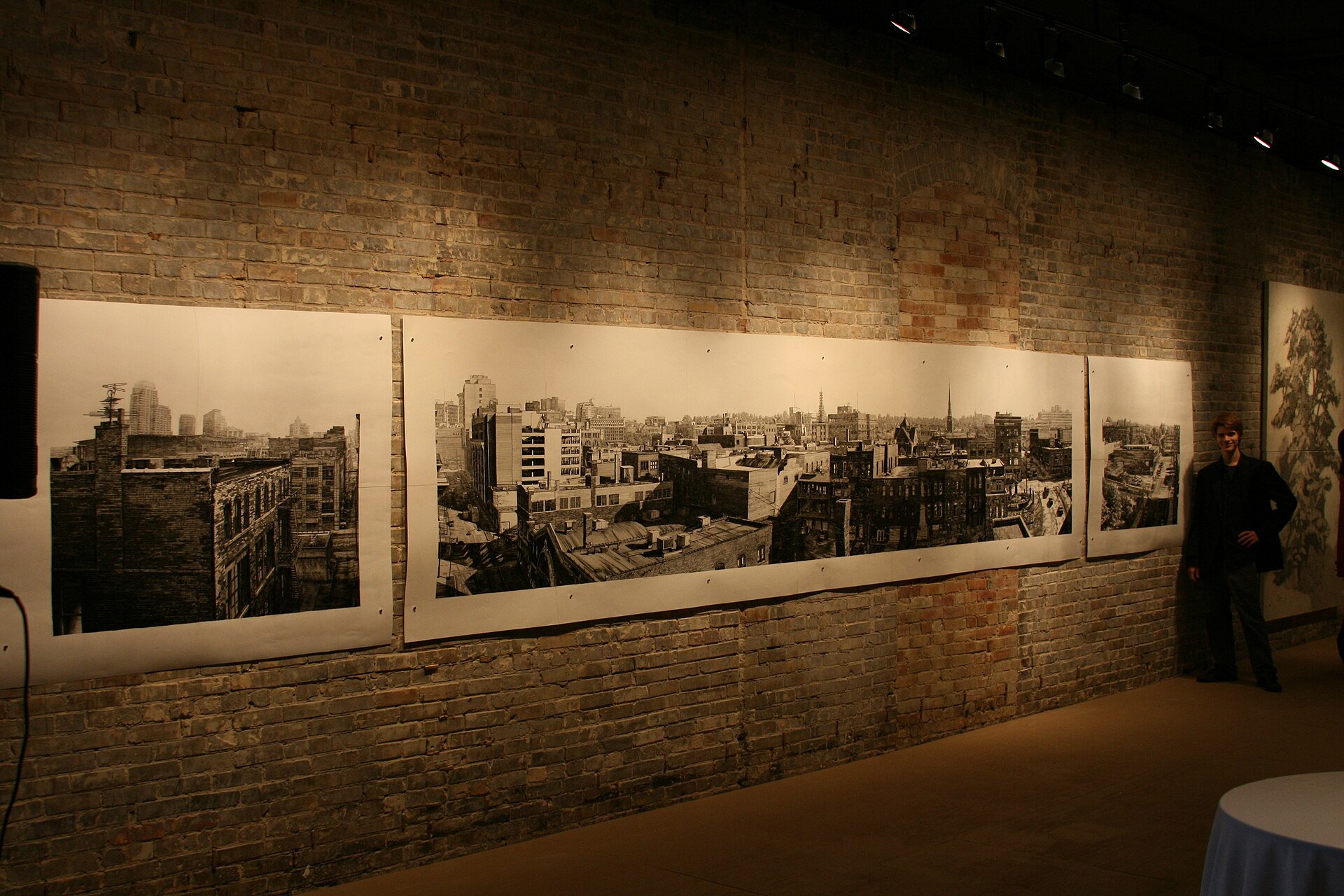
Gerald Ford's Hometown
The Gerald R. Ford Presidential Museum sits directly on the riverfront downtown, its collection covering the Nixon pardon, the Ford administration's response to the Vietnam War's final collapse, and the broader Cold War context of a presidency that began under unusually difficult circumstances. It remains one of the more substantive civic anchors of a downtown that has, in the past two decades, rebuilt itself around exactly the kind of walkable density that many mid-sized Midwestern cities lost decades ago.