Greenville built its entire twentieth-century identity around keeping things cold, earning the nickname "Refrigerator Capital of the World" through a series of appliance manufacturers that turned a modest Montcalm County logging town into a genuine industrial center, and the same civic energy that built that reputation later produced one of the more remarkable, and remarkably little-known, home-front stories of the Second World War. Between the refrigerator plants and a single extraordinary fundraising campaign led entirely by local high schoolers, Greenville's twentieth-century history punches considerably above the weight its modest population would suggest.
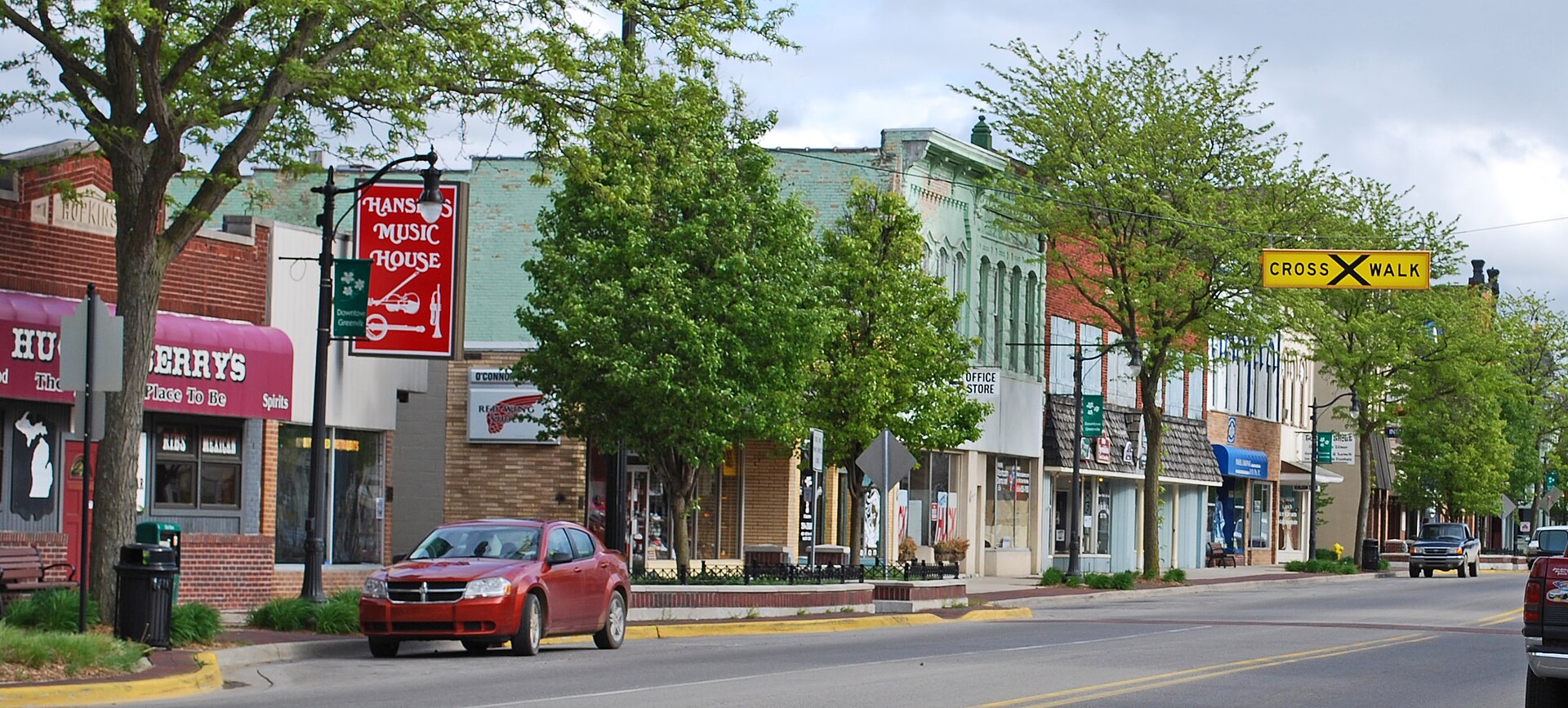
The Refrigerator Capital of the World
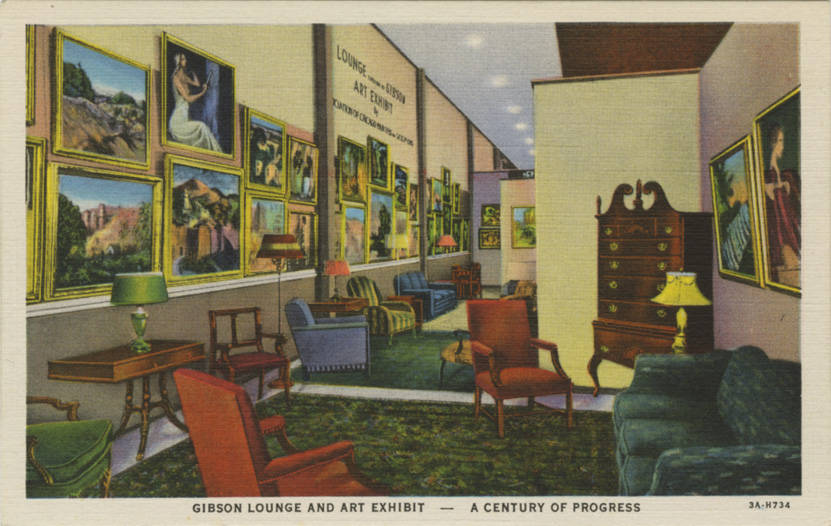
Greenville's refrigeration industry traces back to the founding of the Ranney Refrigerator Company in 1892, an early entrant into the ice-box manufacturing business that established the town's reputation for cold-storage appliances well before mechanical refrigeration existed in any commercially viable form. Local merchant Frank Gibson later purchased a competing ice refrigerator manufacturer and, working with engineer John Lewis, converted an old furniture factory into what would become the Gibson Refrigerator Company, an operation that grew into the largest manufacturer in its industry before transitioning into electric kitchen refrigerators beginning in 1931.
Gibson refrigerators, and later Electrolux appliances produced at the same facility, kept Greenville's manufacturing base humming for decades, cementing the refrigerator-capital identity so thoroughly that the nickname has outlasted the original companies themselves by a considerable margin, still invoked in local civic branding long after the specific appliance brands that earned it have changed hands or disappeared entirely.
The Fighting Falcon
In March 1943, with the country deep into wartime production and Gibson's own factory floor converted to building military gliders, the students of Greenville's public schools decided to try raising enough money through war bond sales to purchase one of the gliders being built in their own town, a genuinely ambitious goal for a student body with no obvious access to that kind of capital. Over the following two months, the students sold enough Minuteman-stamped savings stamps, earned through babysitting, lawn-mowing, and relentless door-knocking among relatives and neighbors, to raise more than seventy-two thousand dollars, enough to purchase not one but four of the Gibson-built gliders outright.
On May 19, 1943, the town gathered at Black Field to christen one of the purchased gliders "The Fighting Falcon" in a ceremony substantial enough to draw regional attention, and the students' fundraising achievement earned them the United States Treasury Department's Distinguished Service Award, the first time in the award's history it had been presented to a group of schoolchildren rather than adult institutions or individuals. One of Greenville's Fighting Falcon gliders is believed to have been among the very first Allied aircraft to touch down in Normandy on D-Day, a genuinely stunning historical footnote for a glider purchased entirely through the door-to-door fundraising efforts of Michigan teenagers, and the Fighting Falcon Museum in town today preserves and tells that story in full.