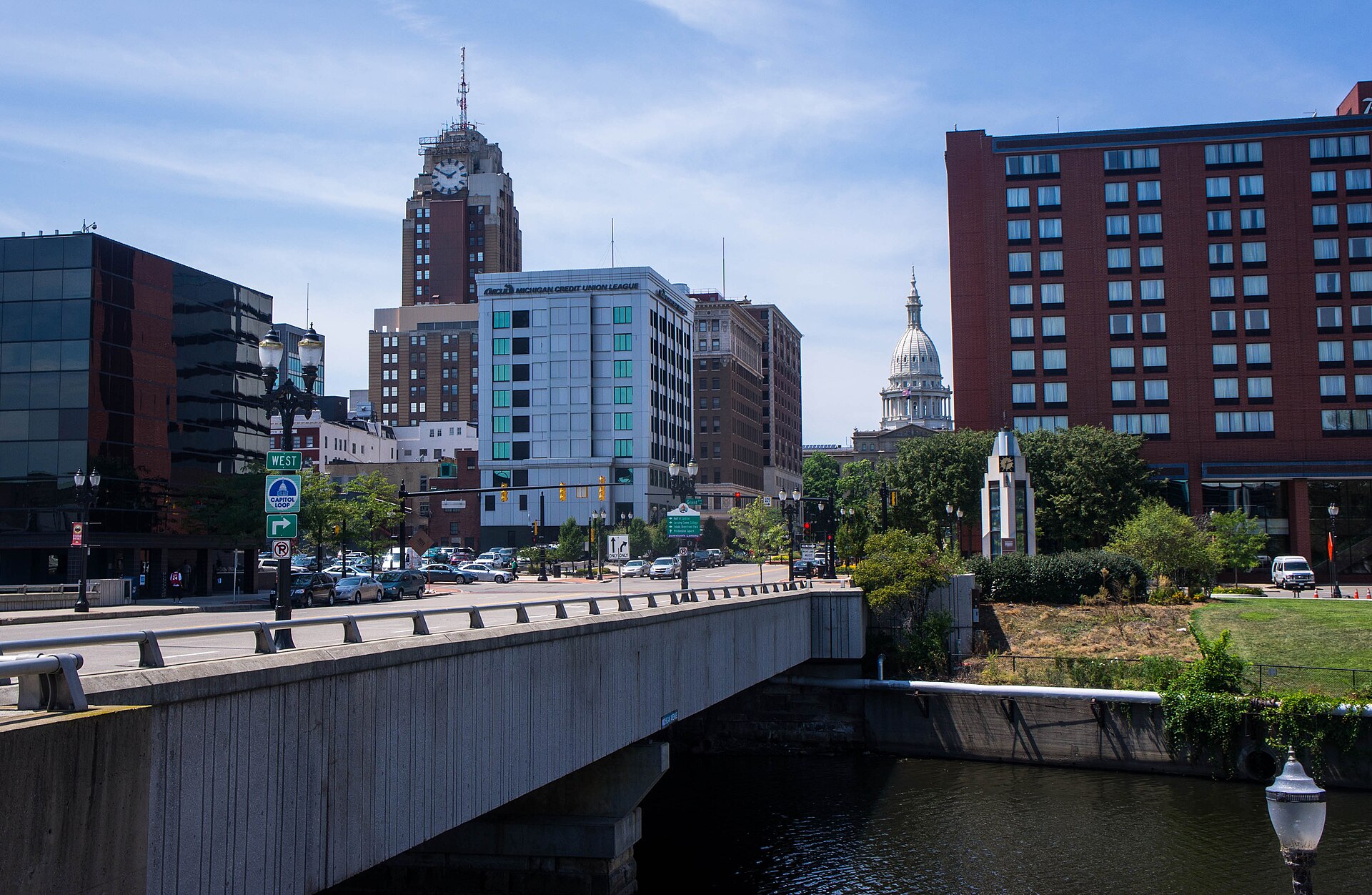
Lansing became Michigan's state capital in 1847 largely because the legislature, deadlocked between competing established cities each convinced the honor should go to them, eventually settled on a small, barely developed settlement precisely because it belonged to no one's faction, a compromise choice so unlikely at the time that early legislators reportedly had to be reminded the town existed at all before voting to send the government there. What grew up around that accidental decision is a genuine capital city, home not only to Michigan's state government but also to a formerly dominant automotive manufacturing base, and, in neighboring East Lansing, one of the largest research universities in the country.
A Capitol Built to Prove a Point
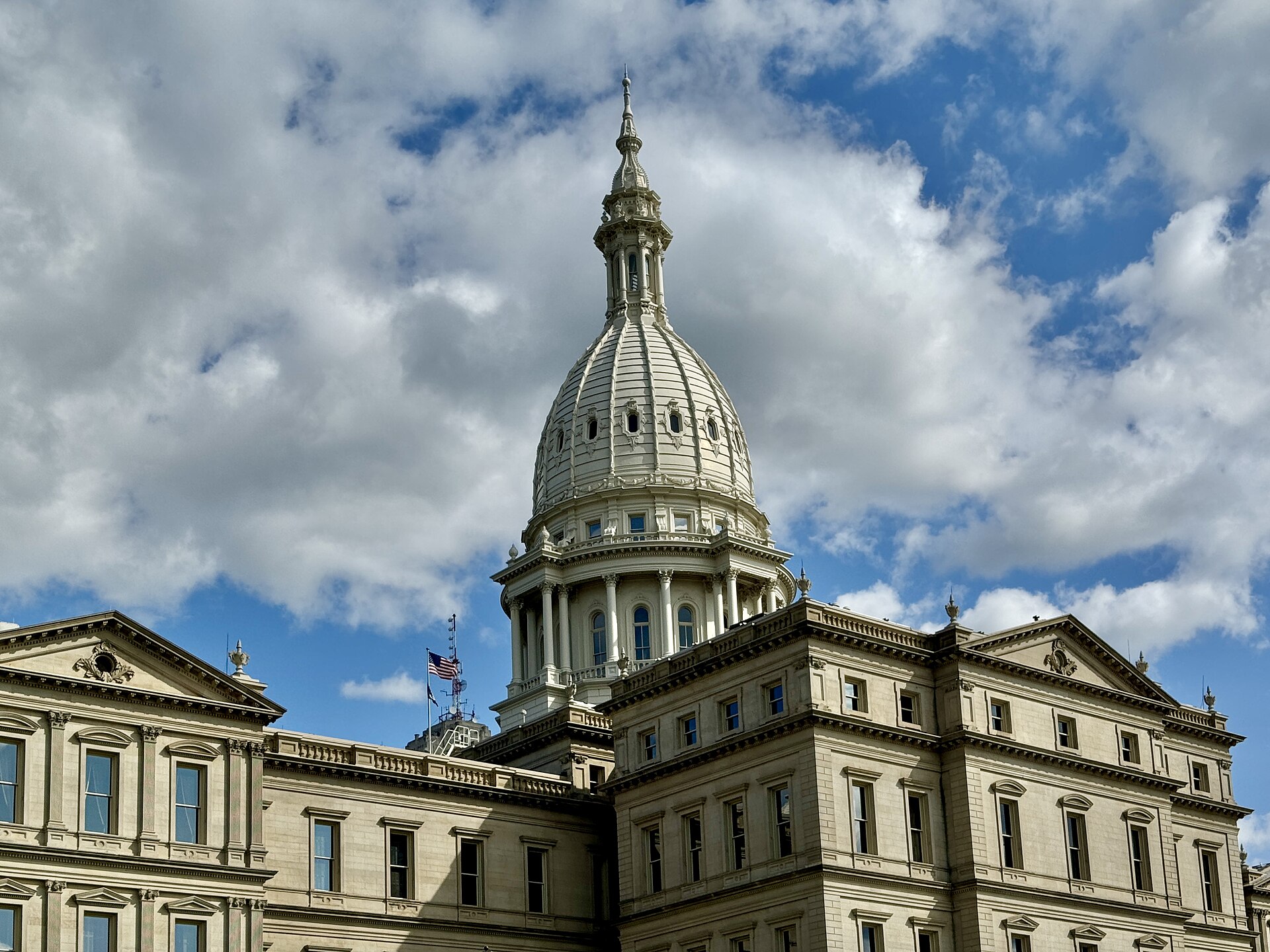
The Michigan State Capitol, completed in 1879, was designed with a soaring cast-iron dome and an interior featuring some of the finest trompe-l'oeil ceiling painting anywhere in American government architecture, a deliberate architectural statement meant to establish Lansing's legitimacy as a genuine seat of government rather than the accidental compromise location it had actually been three decades earlier. The building's interior painted details, restored to their original vibrancy during a major renovation completed in the 1990s, include ceiling medallions and decorative borders so intricate that guided tours routinely have to remind visitors to look up, since the architectural ambition here is aimed as much at the ceiling as at the walls.
The Capitol's recognition as a National Historic Landmark reflects both its architectural significance and its historical role as one of the first state capitols in the country built specifically in the newly popular cast-iron dome style that would go on to influence capitol design across the rest of the nation, including, eventually, the United States Capitol's own dome expansion.
Oldsmobile's Hometown
Ransom E. Olds founded the Olds Motor Vehicle Company in Lansing in 1897, and the Oldsmobile brand that grew out of it became one of the earliest mass-produced automobiles in American history, predating Henry Ford's own production innovations by several years and establishing Lansing as a genuine automotive manufacturing center decades before Detroit's rise to full dominance of the industry. The R.E. Olds Transportation Museum downtown traces this history in detail, its collection of vintage Oldsmobiles and Reo-brand vehicles, Olds's second automotive venture after leaving his original company, filling in a chapter of automotive history that tends to get overshadowed by Detroit's much larger and more famous manufacturing legacy just up the road.
Automotive manufacturing remained a significant part of Lansing's economy for more than a century after Olds's original venture, with General Motors maintaining a substantial manufacturing presence in the city long after the Oldsmobile brand itself was discontinued in the early 2000s, a genuine end of an era for a city whose identity had been so thoroughly tied to that particular nameplate.
A University Next Door
Michigan State University, founded in 1855 as the country's first land-grant agricultural college and now sprawling across a genuinely enormous campus in neighboring East Lansing, brings a steady population of students, researchers, and Big Ten football crowds into the greater Lansing area, its presence shaping everything from local restaurant culture to the sheer volume of green-and-white apparel visible around town on any given fall Saturday. The university's Broad Art Museum, designed by architect Zaha Hadid in her distinctive angular, deconstructivist style, offers a genuinely striking piece of contemporary architecture in a region otherwise dominated by government buildings and automotive-era industrial structures, a deliberate architectural counterpoint that MSU commissioned specifically to signal the university's ambitions in the arts.