Brighton sits in Livingston County roughly midway between Detroit and Lansing, a small city whose entire downtown identity revolves around a genuinely picturesque millpond that has anchored the community's civic and social life since the town's earliest days as a nineteenth-century milling settlement.
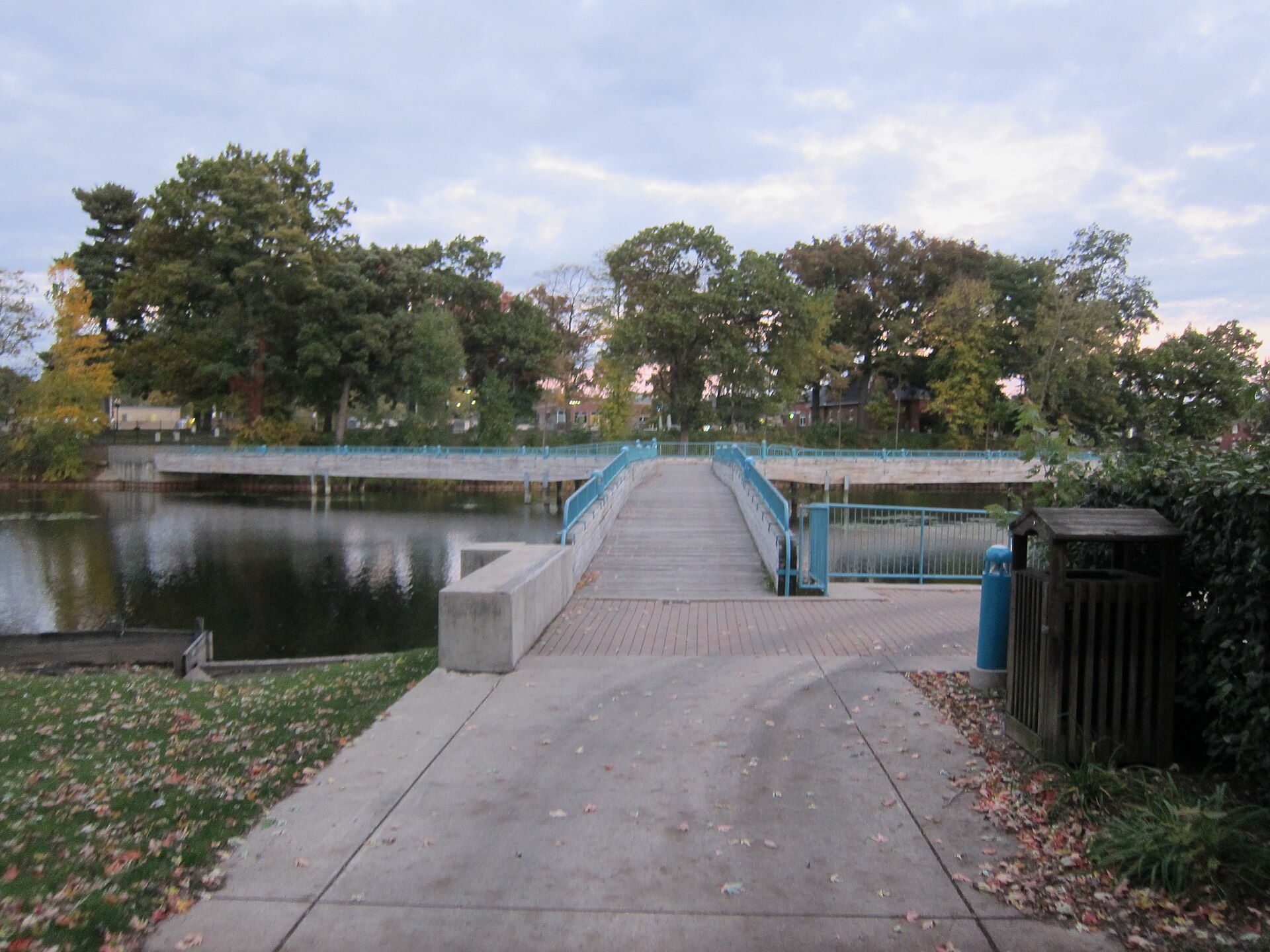
The Mill Pond at the Heart of Town
Brighton's millpond dates back to 1838, created as part of the water-powered milling operations that first established the young settlement, and the pond has remained the community's defining physical feature for nearly two centuries since, long after the original mills themselves stopped operating. The City of Brighton formally dedicated Mill Pond Park in October 1972 as a community recreation facility, funded through a combination of citizen and service-club contributions alongside state Recreation Bond Program support, transforming the historic millpond into a landscaped public park with a paved promenade and outdoor seating along its banks.
The Brighton Village Cemetery overlooks the millpond from behind St. Paul's Episcopal Church in the downtown core, giving the pond's immediate surroundings a genuinely layered historical texture, water, worship, and remembrance all clustered within view of each other at the literal center of town.
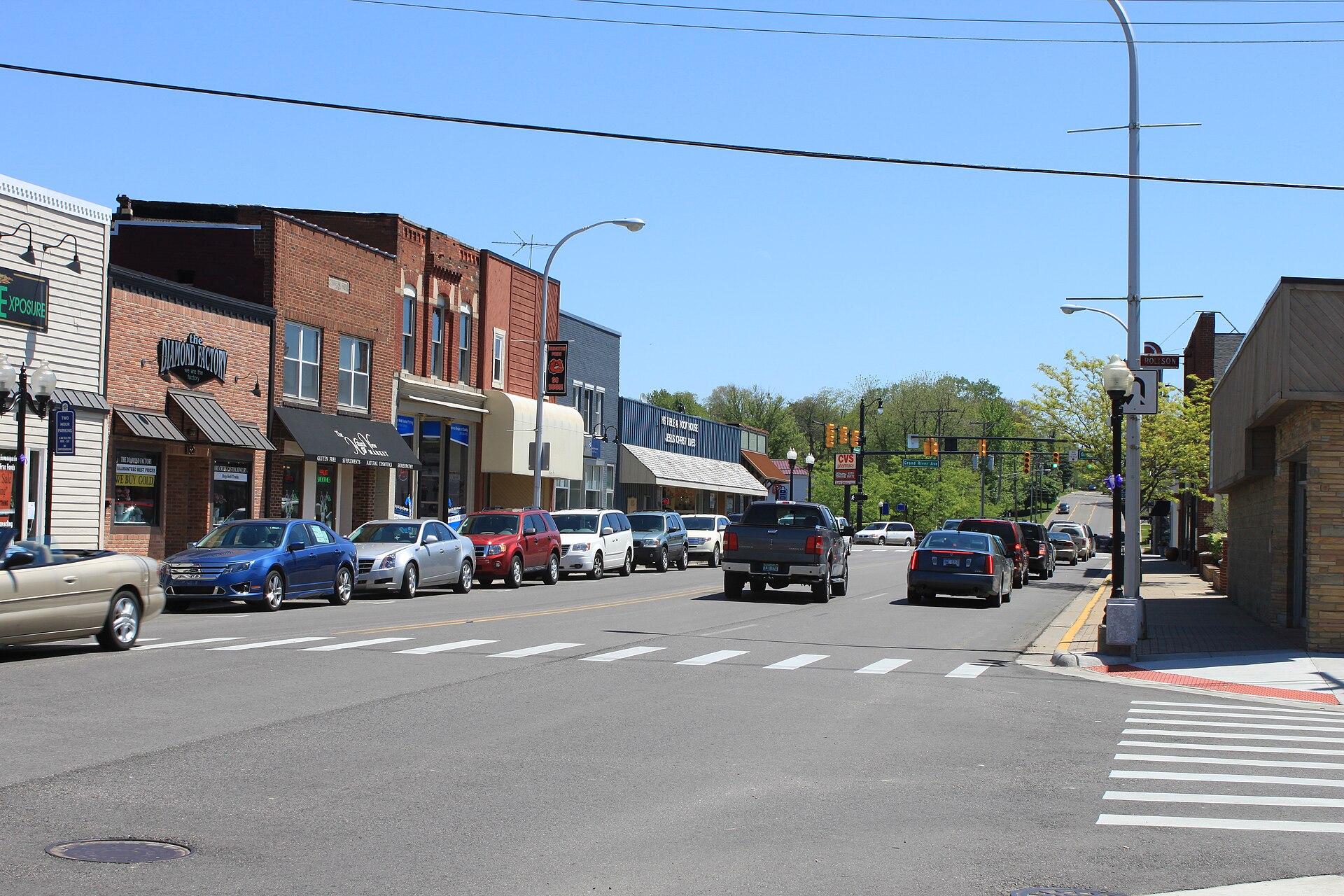
From Village to City
Brighton was established in 1832, incorporating first as a village in 1867 and later achieving full city status in 1928, a fairly typical nineteenth and early twentieth century Michigan municipal trajectory that nonetheless left the town with a genuinely well-preserved historic downtown built directly around its namesake millpond. That downtown today combines the pond's landscaped promenade with a walkable commercial district of shops and restaurants, giving visitors an easy, compact stop between Detroit and Lansing that trades on genuinely earned small-town charm rather than manufactured tourist appeal.
Brighton's convenient position along the well-traveled corridor connecting Michigan's two largest metropolitan areas has helped the town retain a steady flow of visitors and commuters alike, even as its downtown has kept the same millpond-centered character that has defined the community since its earliest milling-era days.