Dexter sits along the Huron River in Washtenaw County, a small town named directly for the pioneering judge and land baron who shaped much of the surrounding region's early development, and whose personal residence remains one of the more architecturally significant houses anywhere in the state.
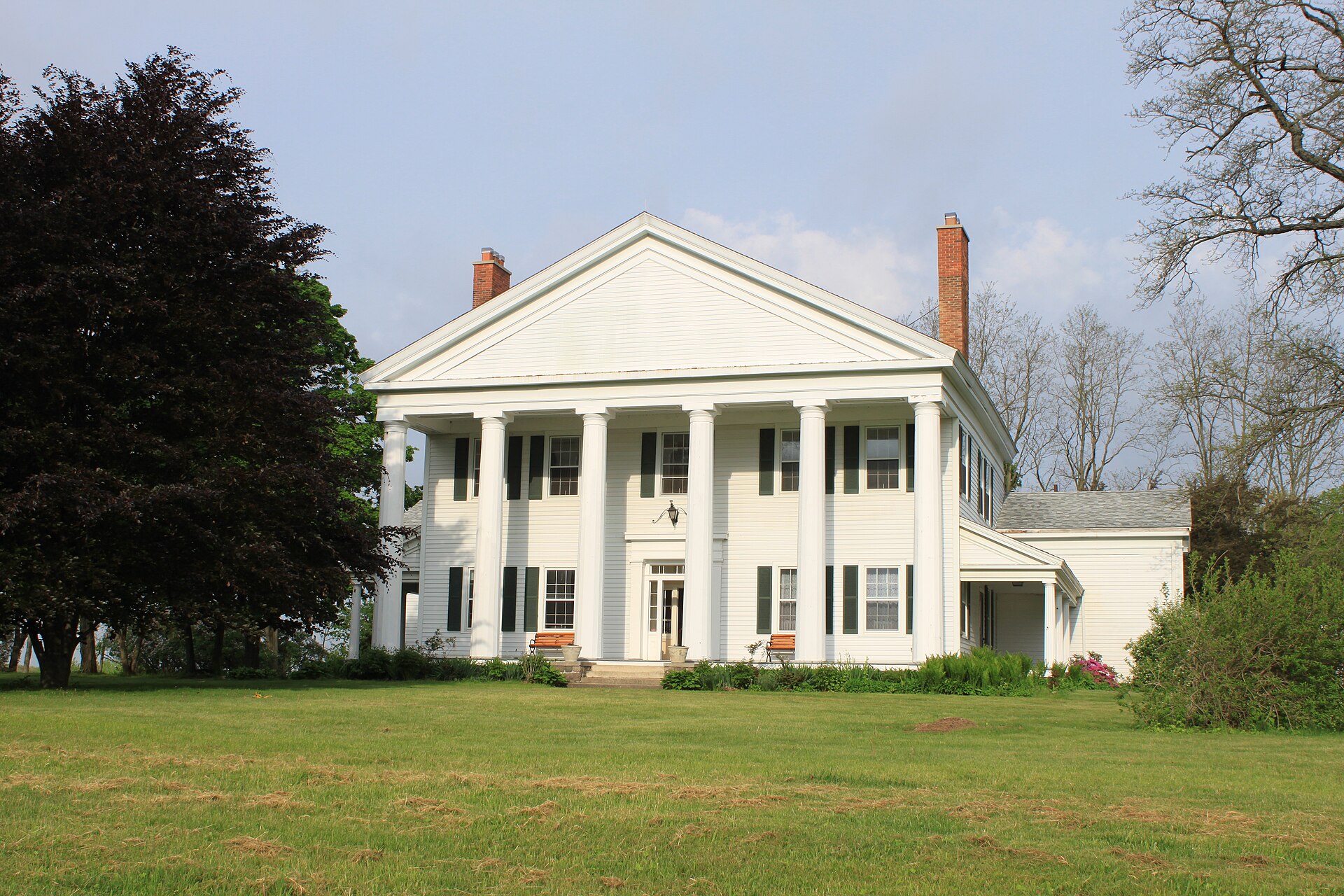
Gordon Hall
Judge Samuel W. Dexter, the pioneering land baron for whom the entire town is named, commissioned builder Sylvester Newkirk and architect Calvin T. Fillmore to construct Gordon Hall in 1844, a Greek Revival mansion whose massive hexastyle portico and unusually large, balanced proportions make it genuinely unique among Michigan's surviving nineteenth-century houses. Dexter named the house Gordon Hall in honor of his mother's family, a personal tribute embedded permanently into one of the more architecturally ambitious private residences built anywhere in the state during that era.
The house is believed to have hosted at least two, and quite possibly three, sitting or future United States presidents during Judge Dexter's lifetime, and it was almost certainly a stop along the Underground Railroad as well, giving Gordon Hall a documented connection to both the highest levels of nineteenth-century American political life and the clandestine network that helped move escaped enslaved people toward freedom.
From Family Estate to Community Museum
Katherine Dexter McCormick, Judge Dexter's granddaughter, gifted Gordon Hall along with seventy surrounding acres to the University of Michigan in 1950, keeping the property in institutional hands for more than five decades before the Dexter Area Historical Society purchased the house in 2006 and began operating it as a community museum and gathering space. The house earned recognition as a Michigan State Historic Site in 1958 and was added to the National Register of Historic Places in 1972, formal acknowledgment of its architectural and historical significance well before the historical society took over its day-to-day operation.
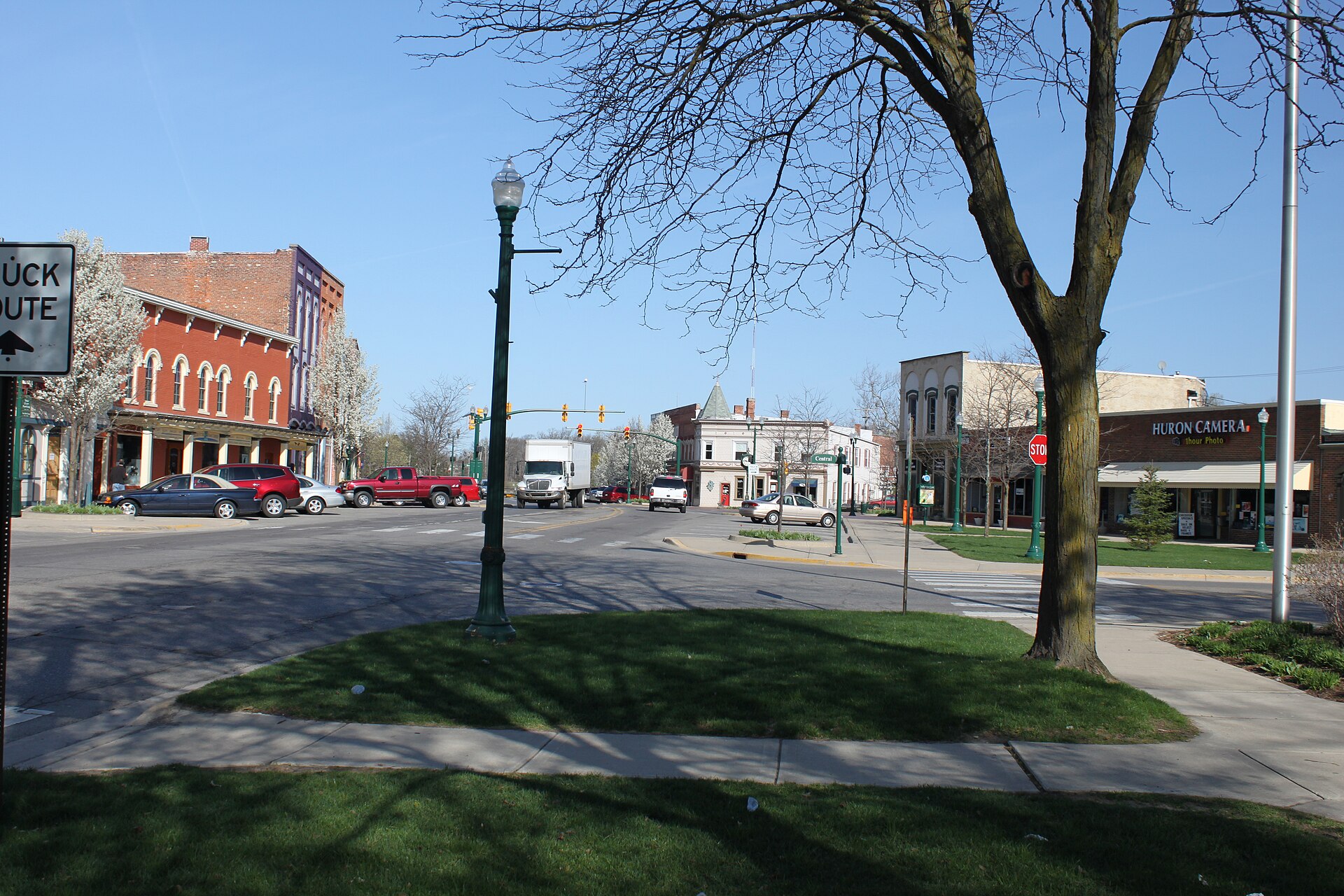
Downtown Dexter itself retains a walkable small-town character along the Huron River, considerably quieter than nearby Ann Arbor but close enough to draw a steady stream of visitors specifically interested in touring Gordon Hall and exploring the broader historical legacy of the judge whose name the entire town still carries.