Pontiac anchors Oakland County in metro Detroit, a city whose name honors the influential Ottawa leader Chief Pontiac and whose twentieth-century identity became so thoroughly intertwined with automobile manufacturing that General Motors eventually named an entire car brand directly after the town itself.
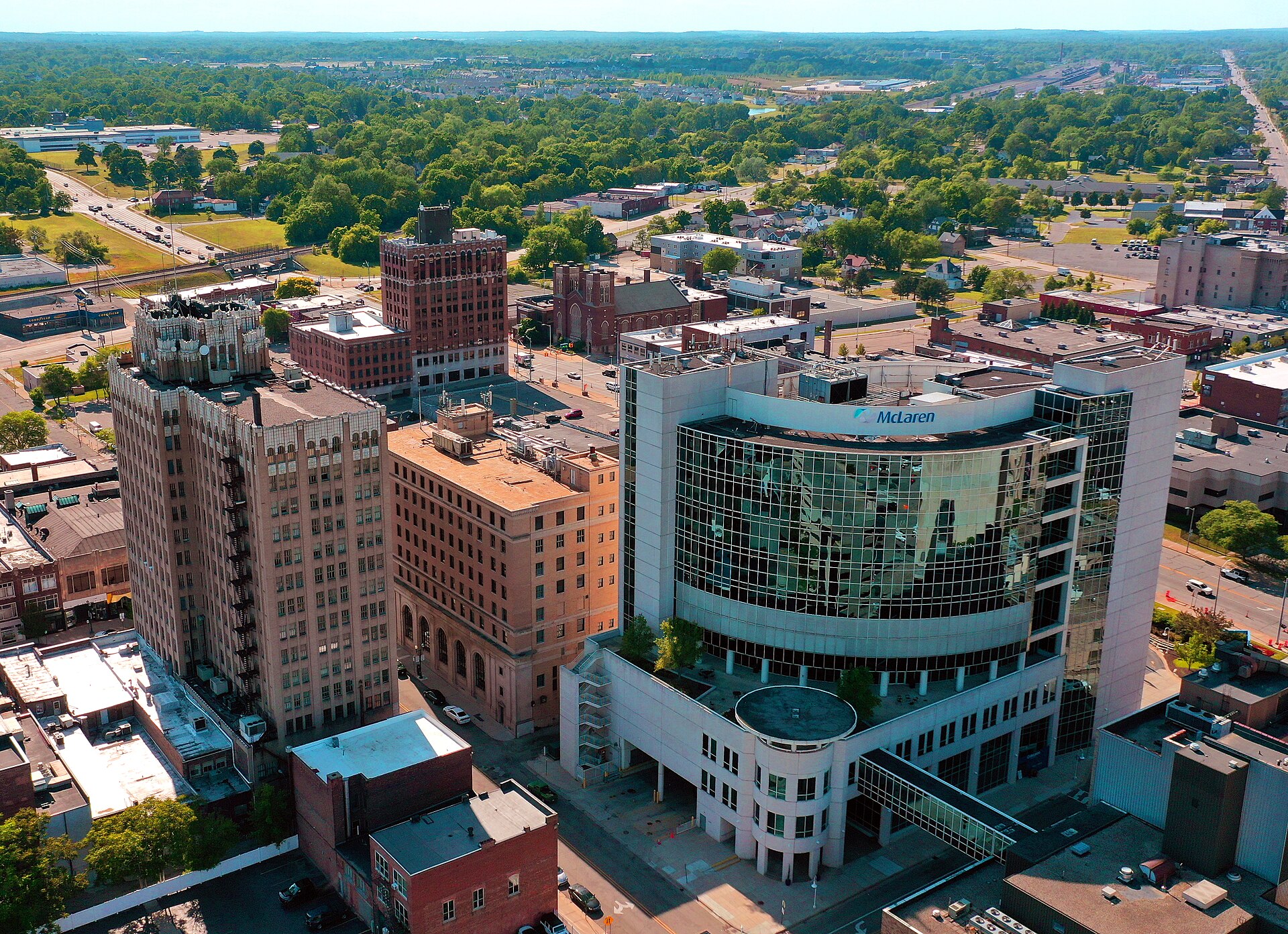
A City and a Car Named for a Chief
Pontiac takes its name from Chief Pontiac, the influential Ottawa leader whose eighteenth-century resistance against British colonial expansion made him one of the most consequential Native American military and political figures of his era, a legacy significant enough that both the city and, eventually, an entire automobile brand would carry his name generations later. General Motors introduced the Pontiac car brand in 1926, explicitly naming it for both the city and the historical chief, and the Pontiac Motor Division alongside Fisher Body's local operations grew into the city's dominant employer for the better part of a century, with generations of Pontiac families building their livelihoods directly around the automotive plants bearing their hometown's name.
That automotive identity persisted until General Motors discontinued the Pontiac brand entirely in 2010, ending an eighty-four-year run for a nameplate that had, for much of its history, been genuinely inseparable from the city that inspired it in the first place.
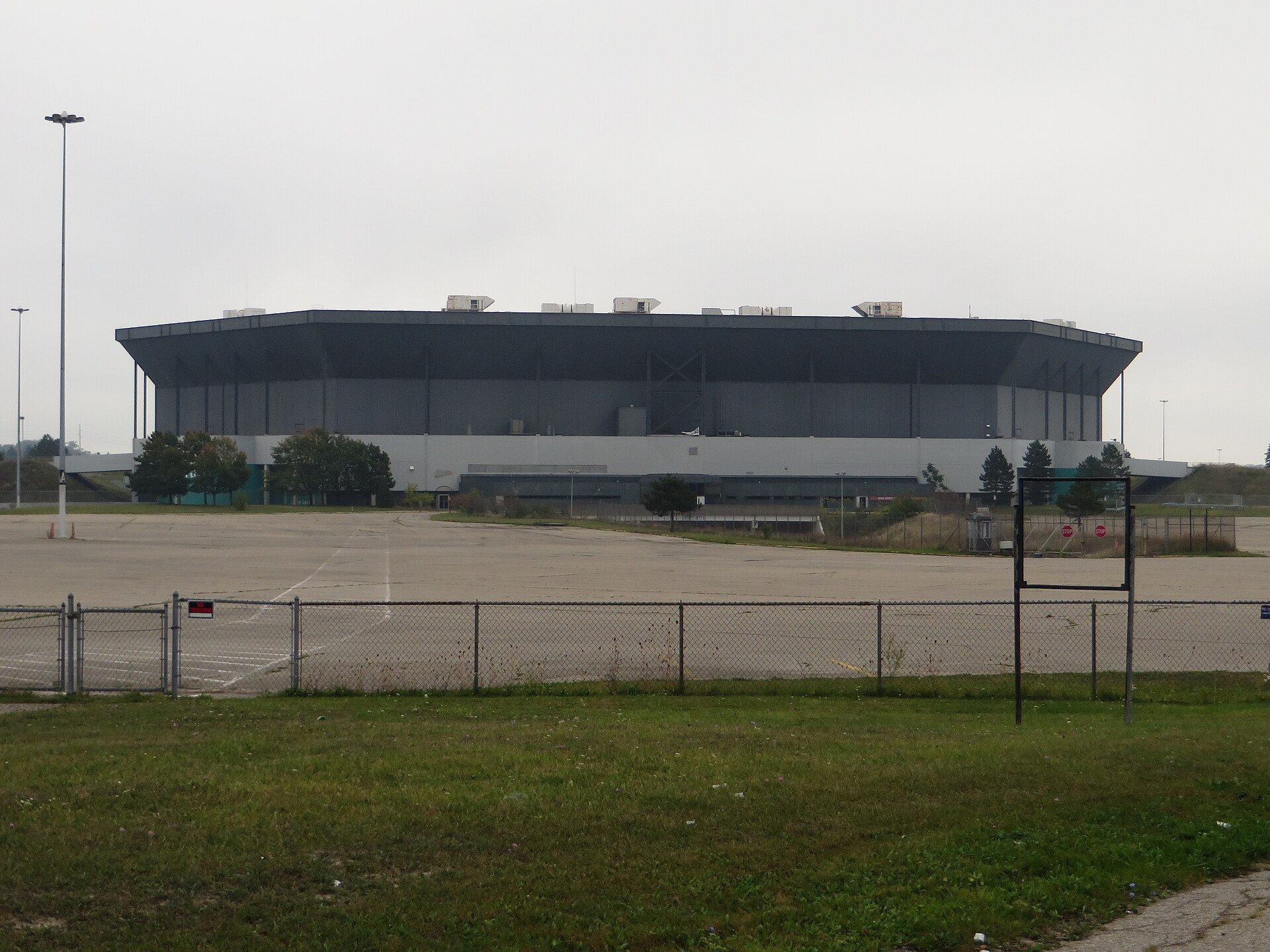
The Silverdome's Rise and Fall
The Pontiac Silverdome opened in 1975 on 199 acres of land, its fiberglass fabric roof held aloft entirely by air pressure representing the first major use of that specific architectural technique in any significant American athletic facility, a genuinely innovative engineering approach for its era. The stadium served as home to the Detroit Lions from 1975 until 2002, when the team relocated back to a new downtown Detroit stadium, ending the Silverdome's run as one of the more architecturally distinctive venues in American professional football.
The stadium's own dramatic rise and eventual closure mirrors Pontiac's broader twentieth-century arc, a city that built genuine national relevance through both automotive manufacturing and major-league sports infrastructure before both industries moved on, leaving behind a downtown still working to define its next chapter beyond the car brand and the football stadium that once made the Pontiac name recognizable well beyond Michigan's own borders.