Farmington Hills sits in western Oakland County, a substantial Detroit suburb whose name and earliest settlement trace directly back to a devout Quaker family who transplanted both their faith and their hometown's name from upstate New York to the Michigan frontier in the 1820s.
Quakers From New York
Arthur Power, a devout Quaker originally from Farmington, New York, purchased land in the area in 1823 and relocated his family to Michigan the following year, drawing additional Quaker families to follow him into the same stretch of territory over the following seasons. By 1826, the young settlement along the Shiawassee Trail had grown substantial enough to support at least three churches, a school, two taverns, and a scattering of other merchants, a genuinely complete little frontier community built almost entirely around the transplanted Quaker families who had founded it.
The township of Farmington formally organized in 1827, and the settlement incorporated as the village of Farmington during the winter of 1866 and 1867, though a serious fire on October 9, 1872, destroyed a considerable portion of the village center, a setback the community rebuilt from before eventually achieving full city status in 1926.
From Two Villages to One City
In 1972, voters across the township and both of its constituent villages approved a consolidation that created the City of Farmington Hills, unifying what had been separate governmental jurisdictions into the single suburban city that exists today, considerably larger in both population and land area than the original nineteenth-century Farmington village had ever been. Farmington Hills residents further amended their city charter in 1994 to allow direct election of the mayor, a change that took effect the following year when Aldo Vagnozzi became the city's first directly elected mayor.
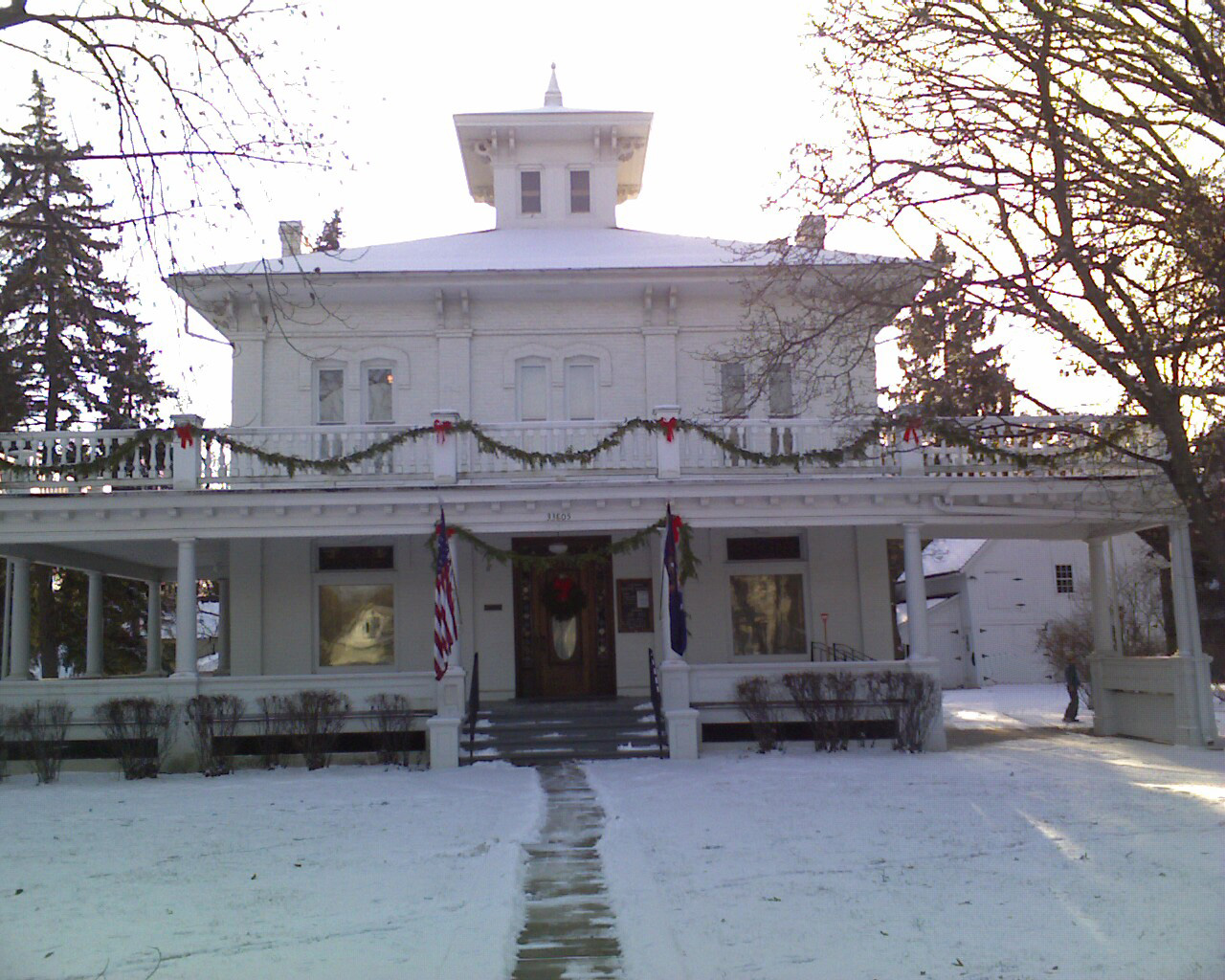
Modern Farmington Hills retains several tangible links to its Quaker founding era, including the Governor Warner Mansion and an original historic post office building, both preserved as designated historic sites within a suburb whose contemporary character is otherwise thoroughly modern, giving visitors interested in the area's founding history a few concrete landmarks to seek out amid the broader suburban development that has grown up around them since.