In This Guide
New This Year: The Erb Discovery Trails Zoo Boo: Halloween Nights at the Zoo The Classics: Polar Bears, Penguins, and More A Zoo With Nearly a Century of Stories Planning Your Fall VisitOne of metro Detroit's favorite family destinations has its biggest new attraction ever this year. The Detroit Zoo in Royal Oak opened the Fred and Barbara Erb Discovery Trails in spring 2026, a seven-acre expansion that Planet Detroit called the largest project in the zoo's history, and this fall it is pairing those new trails with its beloved Zoo Boo Halloween nights. Spread across about 125 acres in Royal Oak and Huntington Woods, the zoo is home to more than 2,000 animals representing more than 200 species, according to Wikipedia's Detroit Zoo article. Autumn is arguably its best season, with cooler temperatures that make animals more active and long walks more pleasant. The zoo's mature trees turn gold and red, framing everything from the polar bear tundra to the penguin center. This guide covers what is new, what is happening this October, and how to plan a day that keeps both kids and adults happy.
New This Year: The Erb Discovery Trails
The Erb Discovery Trails opened to the public in May 2026, transforming seven acres of the zoo into an interactive landscape built around hands-on encounters, as Planet Detroit reported. Highlights include the Aaron and Carolynn Frankel Stingray Cove, a goat encounter yard, the Treetop Crossing playscape for kids, a model farmer's market for young imaginations, and a virtual reality experience called Wild Explorer. The animal lineup is unusually diverse for a single area, ranging from bush dogs and giant anteaters to southern stingrays, brownbanded bamboo sharks, prairie dogs, burrowing owls, alpacas, donkeys, goats, and chickens. Paved, accessible pathways run throughout, including a paved section inside the goat yard, which makes the trails easy to navigate with strollers and wheelchairs. The project was anchored by a $6 million grant from the Fred and Barbara Erb Family Foundation, one of the most substantial gifts in the zoo's history, as the Detroit Zoo announced when the funding was secured. The result is a part of the zoo designed for touching, climbing, and exploring rather than simply looking.
Admission to the Discovery Trails is included with regular zoo tickets, though a few experiences carry small extra fees: Planet Detroit listed $2 for Stingray Cove and $8 for the Wild Explorer VR experience, or $7 for members. Earlier previews from WDIV ClickOnDetroit described a barnyard where guests can brush goats and feed chickens, an accessible aerial canopy area for climbing and exploring, and an events pavilion for birthday parties and private celebrations. Families with young children will find it easy to spend an hour or more in this one section alone. Weekday mornings in fall tend to offer the calmest experience. The new trails have quickly become one of the most talked-about family attractions in Michigan this year, appearing on lists such as Metro Parent's roundup of new metro Detroit attractions. If you have not been to the zoo in a few years, this is the reason to return.
Zoo Boo: Halloween Nights at the Zoo
October brings Zoo Boo, the Detroit Zoo's long-running Halloween celebration, which in 2026 runs on select weekends: October 3 and 4, 9 through 11, 16 through 18, and 23 through 25, from 3 to 8:30 p.m., according to WXYZ's announcement. This year the start time moved an hour earlier to give guests more daylight with the animals. Until 6 p.m., the entire zoo is open, with zookeeper chats and fall-themed animal enrichment, and after 6 p.m. the eastern part of the grounds, from the main gates to Table 28, becomes an illuminated Halloween trail. Live entertainment includes a light-up dance floor with a kids' DJ, fire performers, aerialists, juggling, and the Zoo Boo Revue in the events pavilion. Blake's returns with cider and doughnuts, with proceeds supporting animal conservation. Some trick-or-treat stations even offer allergen-friendly treats.
Zoo Boo tickets are sold separately through the Detroit Zoo website, with advance tickets starting at $21 and a ten percent discount for members, and every guest age 2 and older needs a ticket. Weekend evenings can be busy, so buying ahead is wise, and Metro Parent's Zoo Boo guide offers more tips for families. Dress in layers, since October evenings in metro Detroit can turn chilly once the sun goes down. Arriving in mid-afternoon lets you see the animals in daylight, including the new Discovery Trails, before the illuminated Halloween experience begins. Paved paths make the evening manageable for small children. For families, few October outings in Michigan combine so much in a single ticket.
The Classics: Polar Bears, Penguins, and More
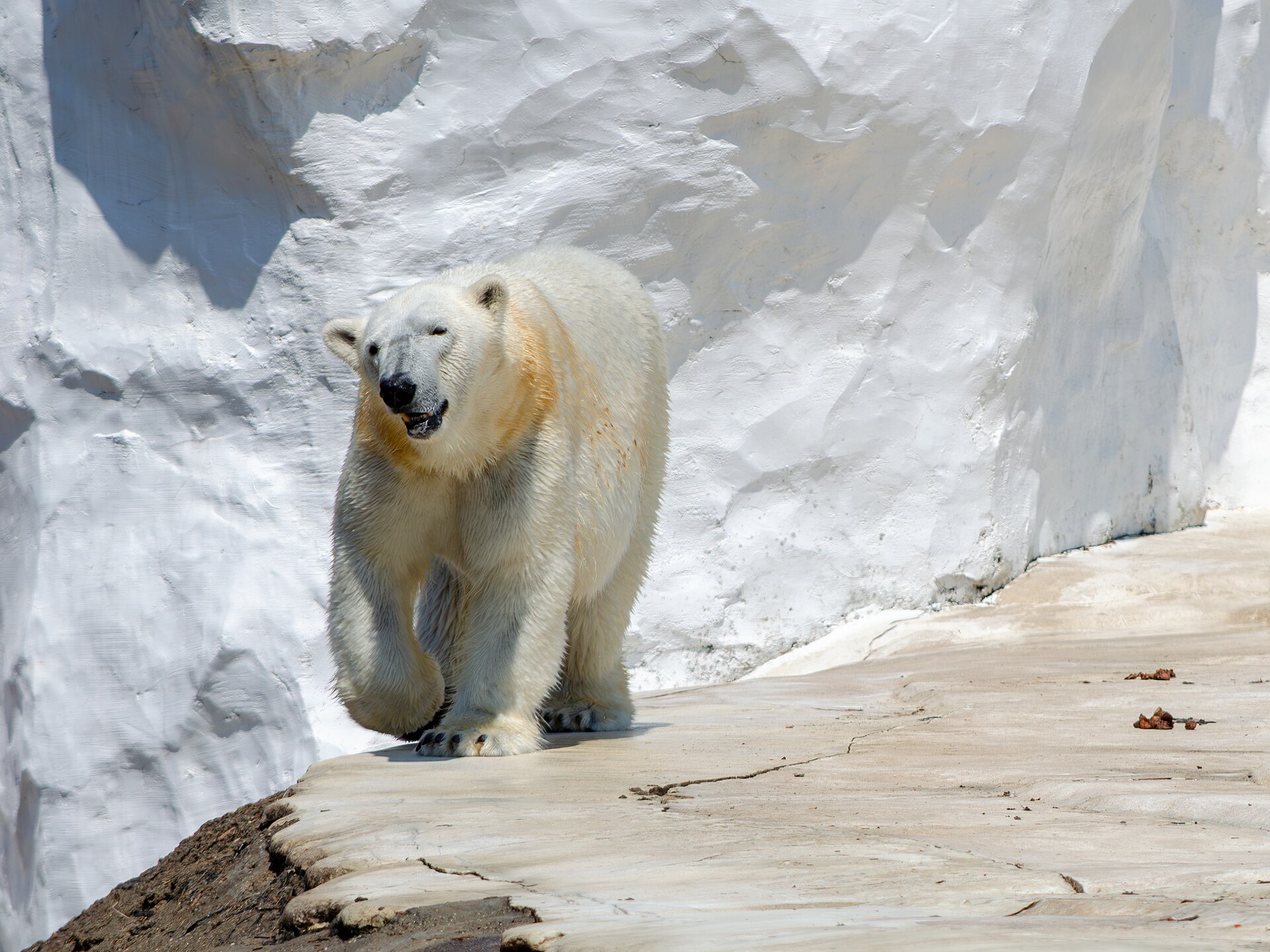
The zoo's signature exhibit remains the Arctic Ring of Life, a four-acre habitat that opened in October 2001 and is among the largest polar bear habitats in North American zoos. Its centerpiece is a 70-foot underwater tunnel of clear acrylic where visitors can watch polar bears swim overhead, as Wikipedia describes. Nearby, the Polk Penguin Conservation Center, opened in 2016, was built as the world's largest facility dedicated to the study of penguins and houses king, macaroni, gentoo, chinstrap, and rockhopper penguins. Elsewhere, the National Amphibian Conservation Center, nicknamed Amphibiville, sits on a two-acre wetland and was once dubbed Disneyland for toads by The Wall Street Journal. The Australian Outback Adventure, opened in 2006, lets visitors walk among red kangaroos and wallabies with nothing separating people from the hopping marsupials. The Detroit Zoo's official site lists daily keeper talks and feeding times worth planning around.
Cool fall days can be a fine time to watch polar bears and other cold-weather animals on the move. The zoo was the first in the United States to feature barless habitats, a philosophy that still shapes its open, naturalistic exhibits. It was also the first U.S. zoo to stop keeping elephants for ethical reasons, in 2005, when its two elephants were relocated to a sanctuary in California, and the former elephant exhibit now houses white rhinoceroses. The zoo's operator, the Detroit Zoological Society, also manages the Belle Isle Nature Center on Detroit's island park, a smaller outing for families exploring the city. Our Detroit Riverwalk and Belle Isle guide covers that side of the river. Taken together, the zoo and the nature center make an excellent two-day introduction to wildlife in metro Detroit, as Wikipedia's history of the zoo makes clear in tracing their shared stewardship.
A Zoo With Nearly a Century of Stories
Although the Detroit Zoological Society was founded in 1911, the zoo's official opening did not come until August 1, 1928, and that day nearly became legendary for the wrong reasons. As Wikipedia recounts, acting Mayor John C. Nagel arrived late, parked behind the bear exhibits, and was greeted by a polar bear that lunged toward him, nearly crossing its protective moat before keepers forced it back. The mayor reportedly joked that the bear was the reception committee, and the zoo's bar-less design has been part of its identity ever since. During the Depression, a chimpanzee named Jo Mendi became a star attraction, and later generations grew up watching a Saturday television program called At The Zoo. The zoo's art and architecture are part of its charm too, including the Horace Rackham Memorial Fountain, known as the Bear Fountain, created in 1939 by the sculptor Corrado Parducci. Take a moment at the fountain, where bronze bears and seals have greeted visitors for generations.
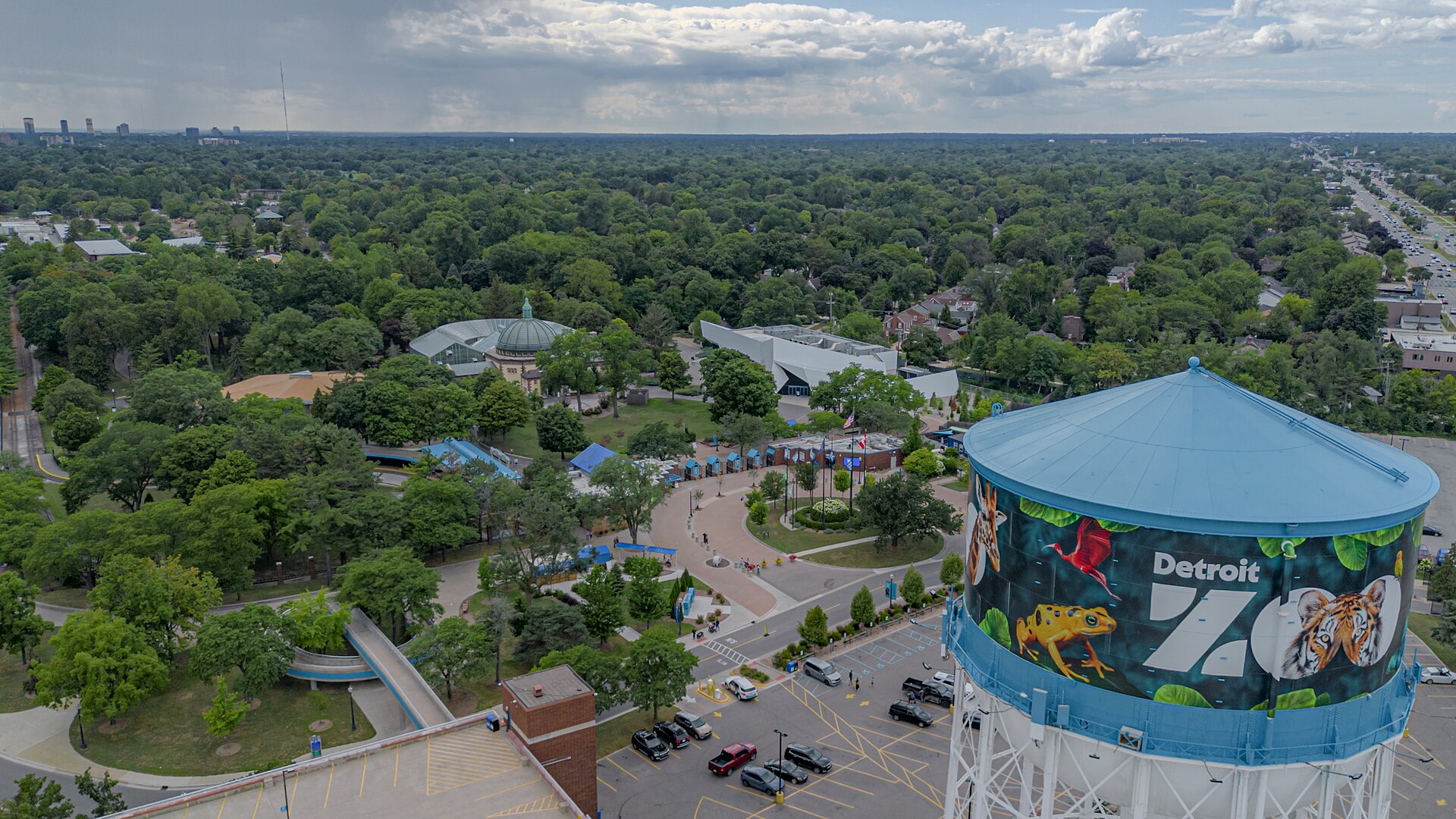
Above it all rises the zoo's painted water tower, a familiar landmark for drivers on nearby Interstate 696 and Woodward Avenue. Its colorful animal artwork makes it one of the most recognizable sights in Oakland County. Seen from the parking lots, it is often the first sign to excited kids that the zoo is just ahead. The Detroit Zoo website posts current exhibits and events as the zoo continues to evolve. Fans of local history will enjoy comparing the zoo's early exhibits with its modern habitats, as Wikipedia's account of the zoo's habitats illustrates. Nearly a century after that dramatic opening day, the zoo still manages to surprise.
Planning Your Fall Visit
The Detroit Zoo sits at 8450 West 10 Mile Road in Royal Oak, near the junction of Interstate 696 and Woodward Avenue, making it an easy drive from anywhere in metro Detroit. Planet Detroit listed walk-up admission at $27 for adults and $24 for children and older adults, and buying online can save time at the gate; check the zoo's website for current prices, hours, and parking fees. Plan at least half a day to see the major habitats, and a full day if you want to linger at the Discovery Trails. Comfortable shoes are essential, since the grounds are large and the best exhibits are spread out. Weekday visits in fall are the quietest, while Zoo Boo weekends draw big crowds in the afternoon and evening. For a sense of what is coming later in the season, the zoo's holiday light show, Wild Lights, ran from late November through early January last year, as WDIV covered.
Royal Oak's walkable downtown, just a short drive away, offers restaurants, coffee shops, and boutiques for a post-zoo meal, covered in our Royal Oak travel guide. Families making a weekend of it can continue along Woodward Avenue, Michigan's historic main street, toward Detroit's museums and riverfront. The Planet Detroit feature on the Discovery Trails is a helpful primer for kids excited about the new animals before you go. Pack water, snacks, and a light jacket, and plan a few breaks so little legs can recover. The Detroit Zoo's Wikipedia article is also a fun read for older kids who want the backstory. With new trails, Halloween nights, and autumn color all at once, there may be no better time to visit.