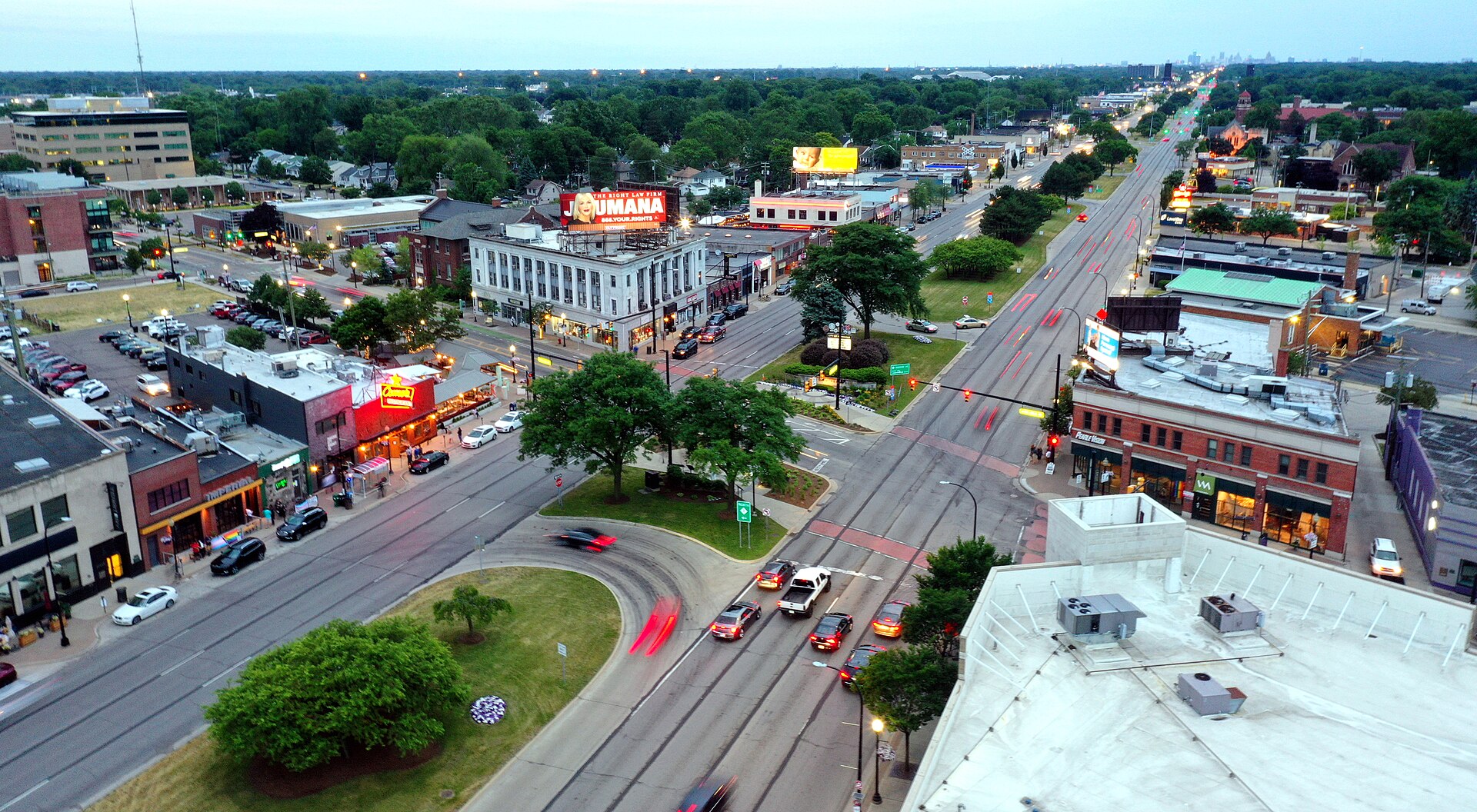
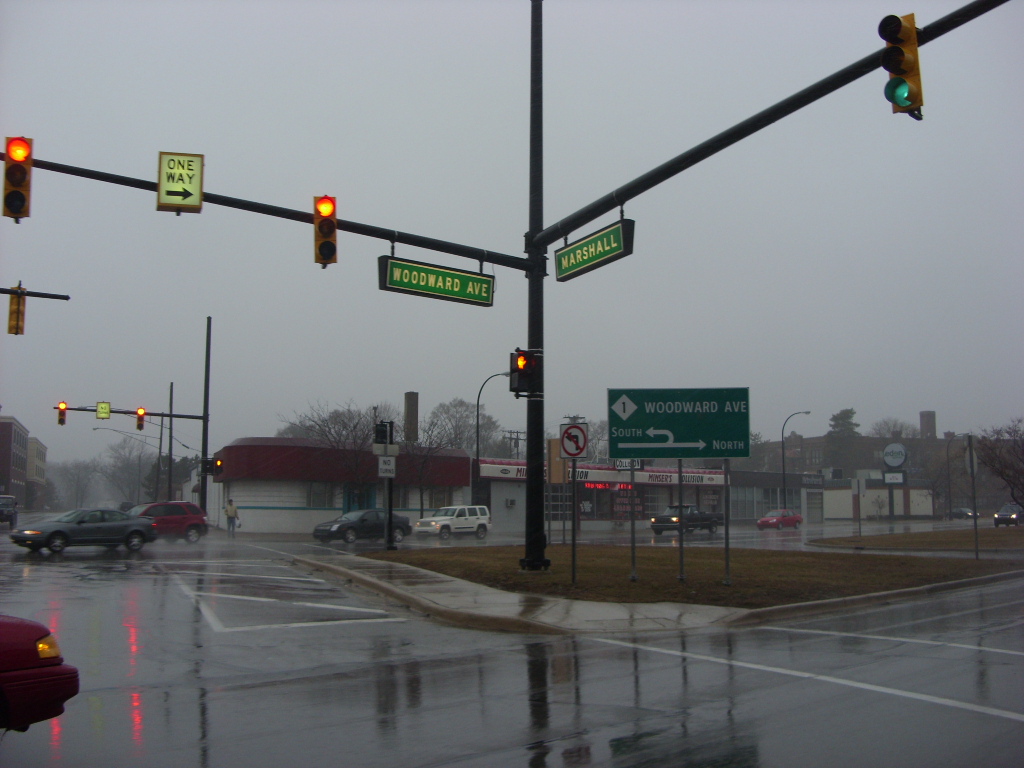
Ferndale sits just north of Detroit's city limits along Woodward Avenue, a compact suburb that has spent the past several decades building a reputation as one of metro Detroit's most walkable, most progressive, and most consistently lively downtown commercial districts. The city's own origin story, though, began with a considerably quieter ambition: giving city dwellers a rural escape close enough to reach without much trouble.
From Urbanrest to Ferndale
Settlement in the area picked up after the War of 1812, as Detroit residents moved inland looking for farmland, and by 1890 a parcel at North 9 Mile Road and Hilton Road had been subdivided and marketed under the name Urbanrest, an unsubtle bit of branding aimed squarely at Detroit residents seeking a country retreat from city life. The community formally incorporated as a village in 1918 and as a city in 1927, and Ferndale's growth through the 1920s proved genuinely remarkable: residents ordering prefabricated kit homes from mail-order catalogs published by Sears, Montgomery Ward, and Aladdin fueled a construction boom significant enough that Ripley's Believe It or Not recognized Ferndale in the early 1930s as one of the fastest-growing cities of its size anywhere in the country.
That rapid early growth established Ferndale's basic street grid and housing stock well before the Second World War, giving the city a genuinely dense, walkable residential foundation that would prove considerably more valuable to later generations than its original developers could have anticipated when marketing plots under the Urbanrest name.
Nine Mile Road's Second Act
Ferndale's downtown shopping district along Nine Mile Road thrived through the 1940s, 1950s, and 1960s before falling into the same kind of commercial decline that hit many older Detroit-area downtowns as regional shopping malls and suburban strip development drew retail traffic away from traditional walkable main streets. The turnaround, when it came, was deliberate: around 1997 the city reconfigured West Nine Mile Road to be considerably friendlier to pedestrians, narrowing it to one lane in each direction and adding street parking, changes that measurably increased foot traffic and drew new restaurants and shops into storefronts that had sat empty for years.
That revitalization has since made Ferndale one of the more consistently cited success stories among older Detroit-area suburbs working to rebuild traditional downtown commercial districts, its compact, walkable Nine Mile corridor now filled with restaurants, bars, and independent shops that draw visitors from well beyond Ferndale's own modest city limits.