In This Guide
A Road Older Than the State The First Mile of Concrete What to Actually Stop For The Dream Cruise Driving It HonestlyIn 1909, a mile of Woodward Avenue between Six Mile and Seven Mile roads was paved in concrete — the first mile of concrete highway anywhere in the world. That single fact is the best possible introduction to the road, because Woodward is not scenic in the conventional sense and never claimed to be. It is 21.5 miles of Detroit's main street running northwest to Pontiac, and its significance is that the American automobile industry and the modern paved road were substantially invented along it. The Federal Highway Administration recognized as much by designating it the Automotive Heritage Trail and elevating it to All-American Road status in 2009, the program's highest tier.
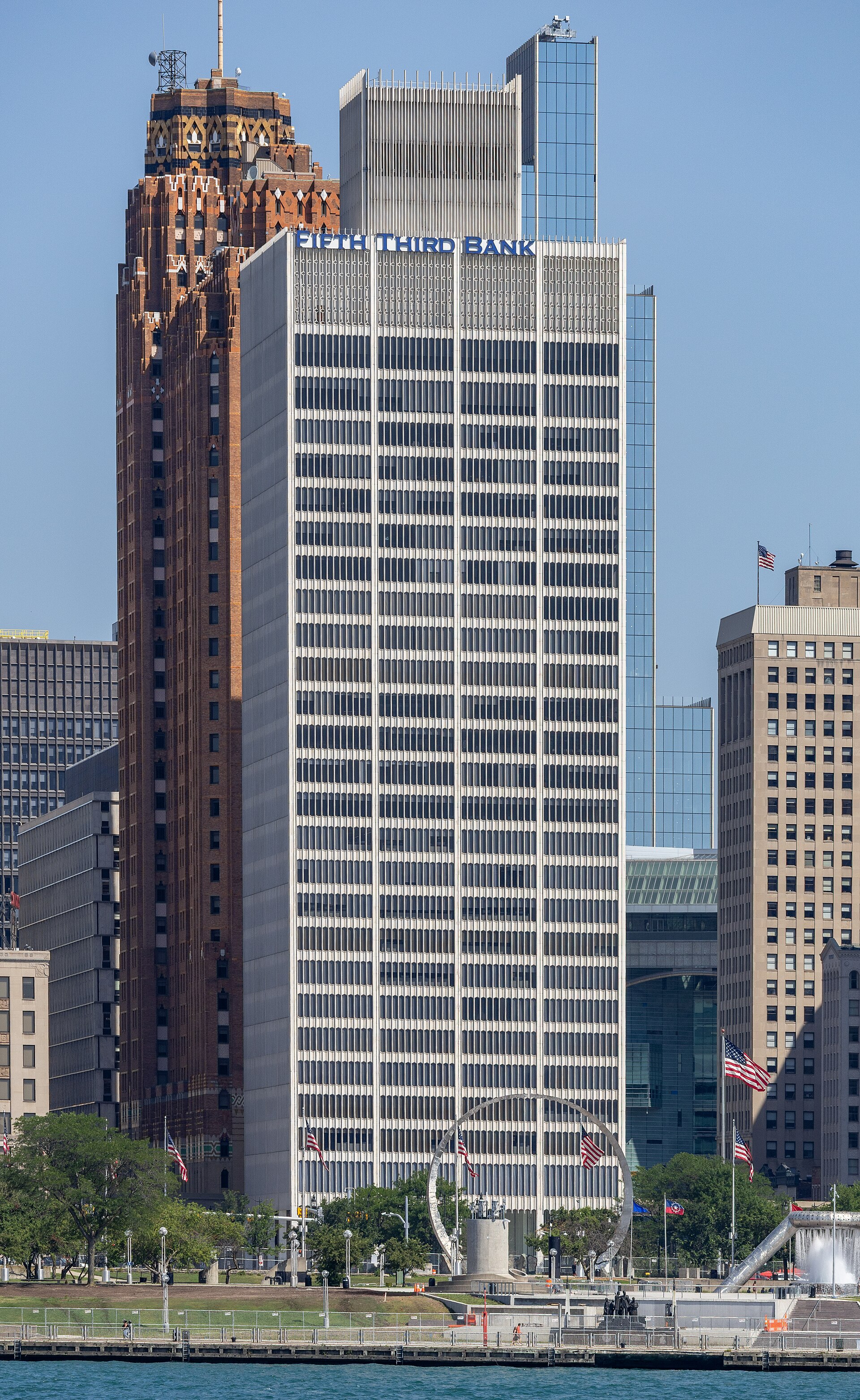
A Road Older Than the State
Woodward began as a Native American trail, which is the origin story of a surprising share of American highways, and was platted as early as 1805. In 1819 it became the first surveyed road in Michigan, connecting Detroit to Pontiac along essentially the alignment it still follows. That sequence — footpath, survey, highway — spans the transition from territorial frontier to industrial center, and the road was in place well before the industry that made it famous existed.
The modern route runs 21.5 miles from Adams Avenue in downtown Detroit northwest to the Woodward Loop at the junction with US-24 in Pontiac. It carries the M-1 designation, and it functions as the spine of the metropolitan area's geography — the reference line from which Detroit's east and west sides are defined, and the axis the mile roads cross.
The First Mile of Concrete
The 1909 concrete mile between Six Mile and Seven Mile is the road's most consequential piece of trivia and genuinely deserves the attention. Before it, roads were dirt, gravel, or in cities brick and cobble — surfaces adequate for horses and poor for automobiles. Concrete changed what a car could reasonably do, and doing it first on Woodward was not coincidental: the industry that needed better roads was headquartered along it.
That relationship — an industry and a road developing together in the same corridor — is what the Automotive Heritage Trail designation recognizes. Woodward is also part of the MotorCities National Heritage Area, designated by Congress in 1998, which interprets the broader story of automotive manufacturing across southeastern Michigan. It carries a Pure Michigan Byway designation from the state as well.
What to Actually Stop For
The Detroit end holds the institutional heavyweights. The city's principal museums cluster in the Midtown cultural center a short distance off Woodward, and the downtown end near Adams Avenue puts a visitor within walking distance of the central business district and the riverfront beyond it. This is a stretch to park once and explore on foot rather than drive through.
Moving northwest, the avenue passes through a sequence of distinct suburban downtowns — Ferndale, Royal Oak, Birmingham among them — each with its own walkable commercial district, and each worth a stop on its own terms. Royal Oak's zoo and farmers market and Birmingham's shopping district are the best known. Dearborn sits a short distance west rather than on Woodward itself, but no automotive-heritage trip should skip The Henry Ford, whose museum and Greenfield Village constitute the definitive collection on the subject.
The Dream Cruise
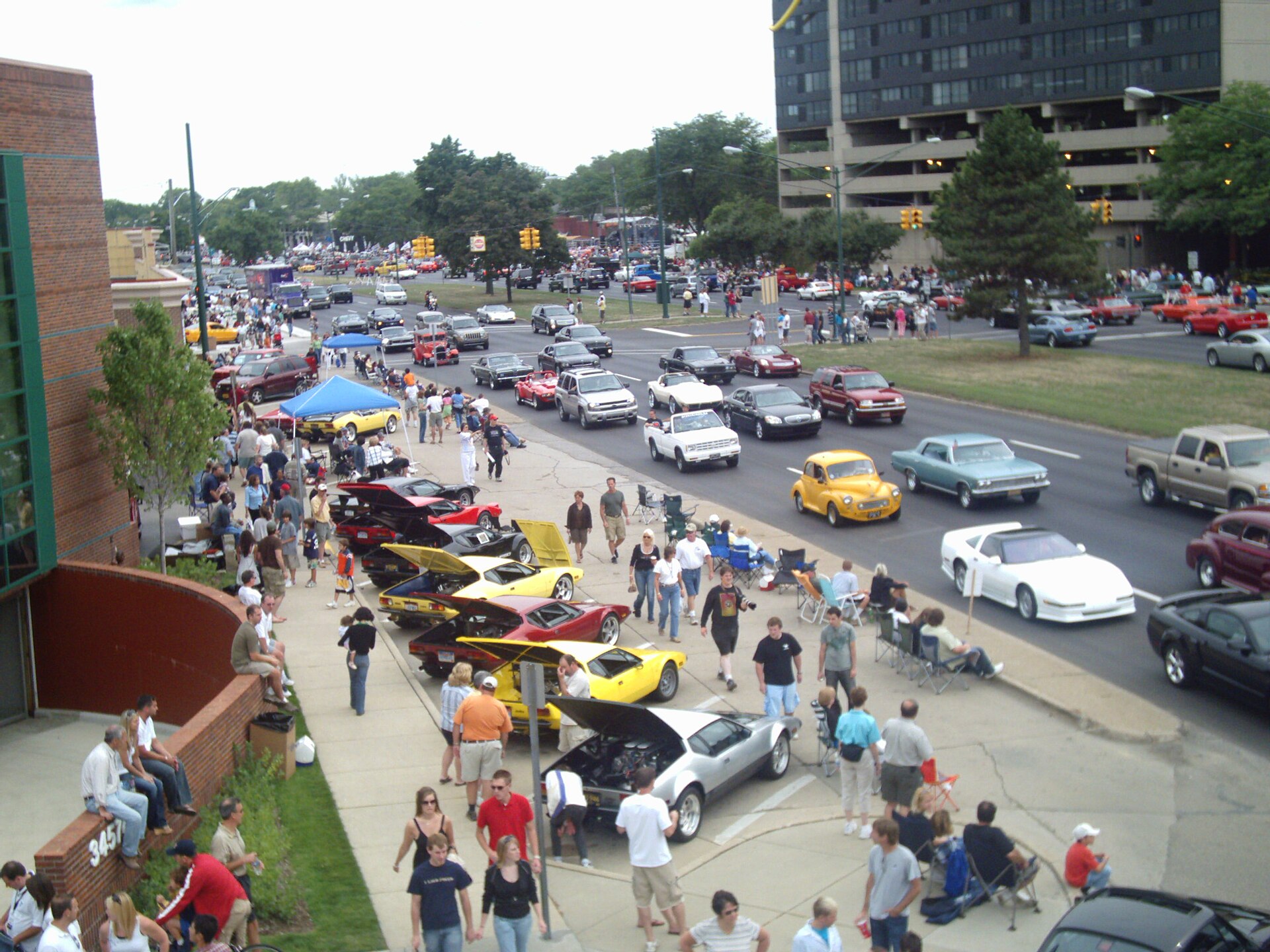
One weekend each August, Woodward becomes something else entirely. The Woodward Dream Cruise draws enormous crowds of classic-car owners and spectators along the corridor through the northern suburbs, and it is among the largest gatherings of its kind anywhere. The avenue's association with cruising culture goes back generations, and the event is a deliberate revival of it.
For travelers, the cruise is either the reason to come or the weekend to avoid, with very little middle ground. Traffic along the corridor becomes impassable, parking vanishes, and lodging books far ahead. Anyone planning a Woodward trip should check the date and decide deliberately rather than arriving into it by accident.
Driving It Honestly
Woodward is an urban and suburban arterial, and a traveler expecting shoreline or forest will be disappointed. It is stop-and-go, commercial, and busy, and 21.5 miles takes far longer than the distance suggests. What it offers instead is density of significance — a corridor where the road surface itself, the industry, the architecture, and the cruising culture all constitute the attraction.
The right approach is to treat it as a series of destinations connected by a historically important street rather than as a drive. Park in Detroit and walk; park in Royal Oak or Birmingham and walk; detour to Dearborn for The Henry Ford. Any season works, since essentially everything here is indoors or urban, which makes Woodward one of the few Michigan routes that is just as good in February as in July.