In This Guide
Why Michigan's Best Souvenir Is Edible Mackinac Island Fudge Montmorency Tart Cherries Upper Peninsula Maple Syrup Wild-Foraged Mushrooms and Teas What Actually Ships WellA Michigan trip generates a specific kind of souvenir problem: t-shirts and shot glasses gather dust, but the state's actual signature products — the ones with a real regional identity and a real story behind them — are almost all things you eat. Four categories account for most of what's worth bringing home, and each one has a genuine history behind it rather than a generic "Pure Michigan" label slapped on a jar.
Why Michigan's Best Souvenir Is Edible
Each of the four foods below exists because of a specific, real piece of Michigan geography: a lake-moderated cherry belt around the 45th parallel, an island where fudge became a tourist tradition well over a century ago, a northern forest with enough sugar maples to support a real industry, and hardwood stands that produce wild mushrooms nobody farms on purpose. That's the throughline worth keeping in mind while gift-shopping: the food souvenirs tied to an actual place and a real production method make a better gift than anything with a lighthouse printed on it.
Mackinac Island Fudge
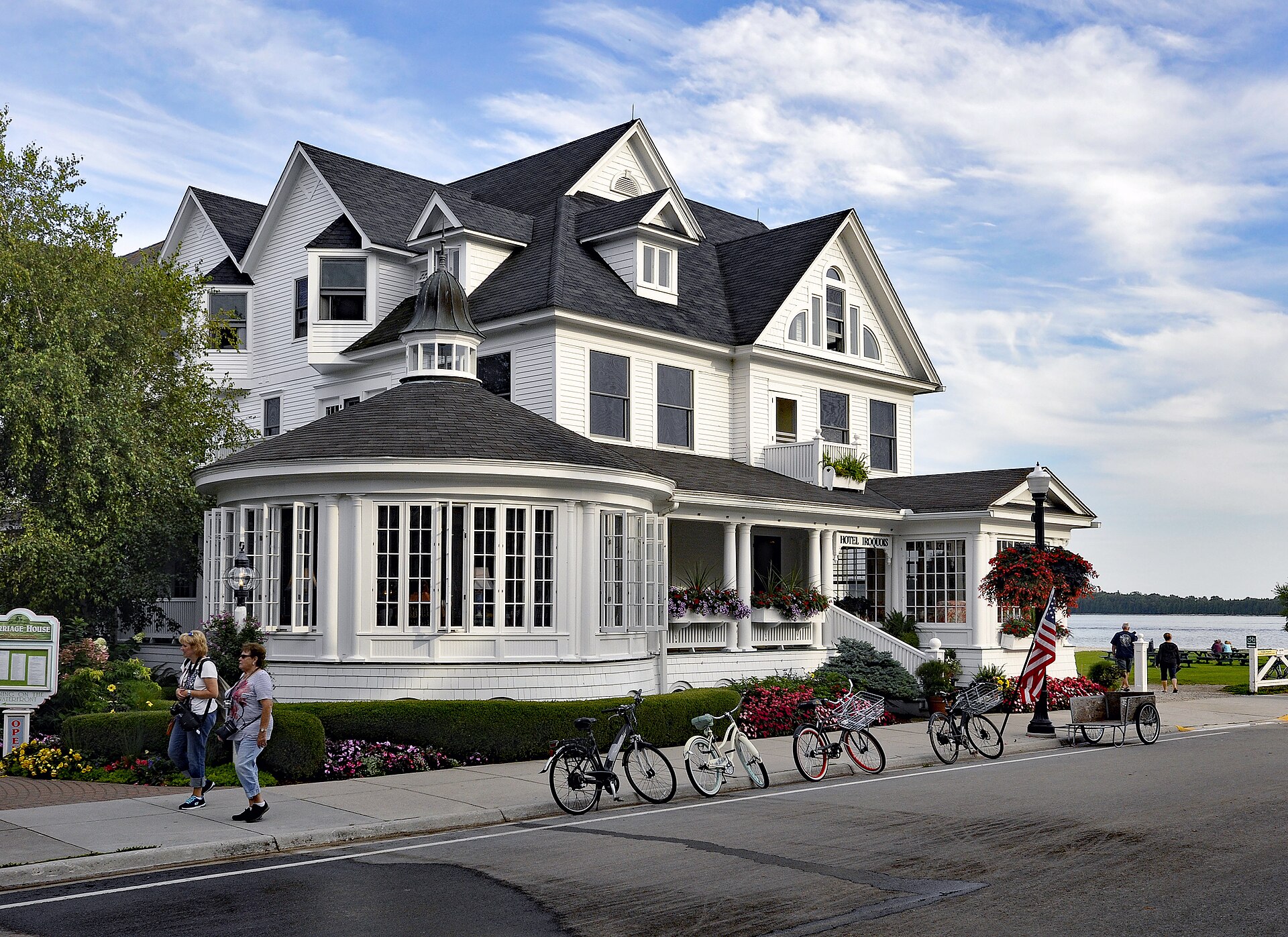
Fudge on Mackinac Island dates specifically to 1887, when father-and-son sailmakers Henry and Jerome "Rome" Murdick — hired to make canvas awnings for the just-built Grand Hotel — opened what became the island's first fudge shop. The Murdicks pioneered the marble-slab cooling technique that every fudge shop on the island still uses today, and added the showmanship that made it a tourist draw: large ceiling fans positioned to carry the smell of fudge out into the street. The business closed during the Depression along with nearly everyone else's, save for Murdick's own Candy Kitchen, and changed hands to Bob Benser Sr. in 1969. Fudge has been inseparable from a Mackinac Island visit for close to 140 years now, sold by multiple shops using the same marble-slab method the Murdicks started.
Montmorency Tart Cherries
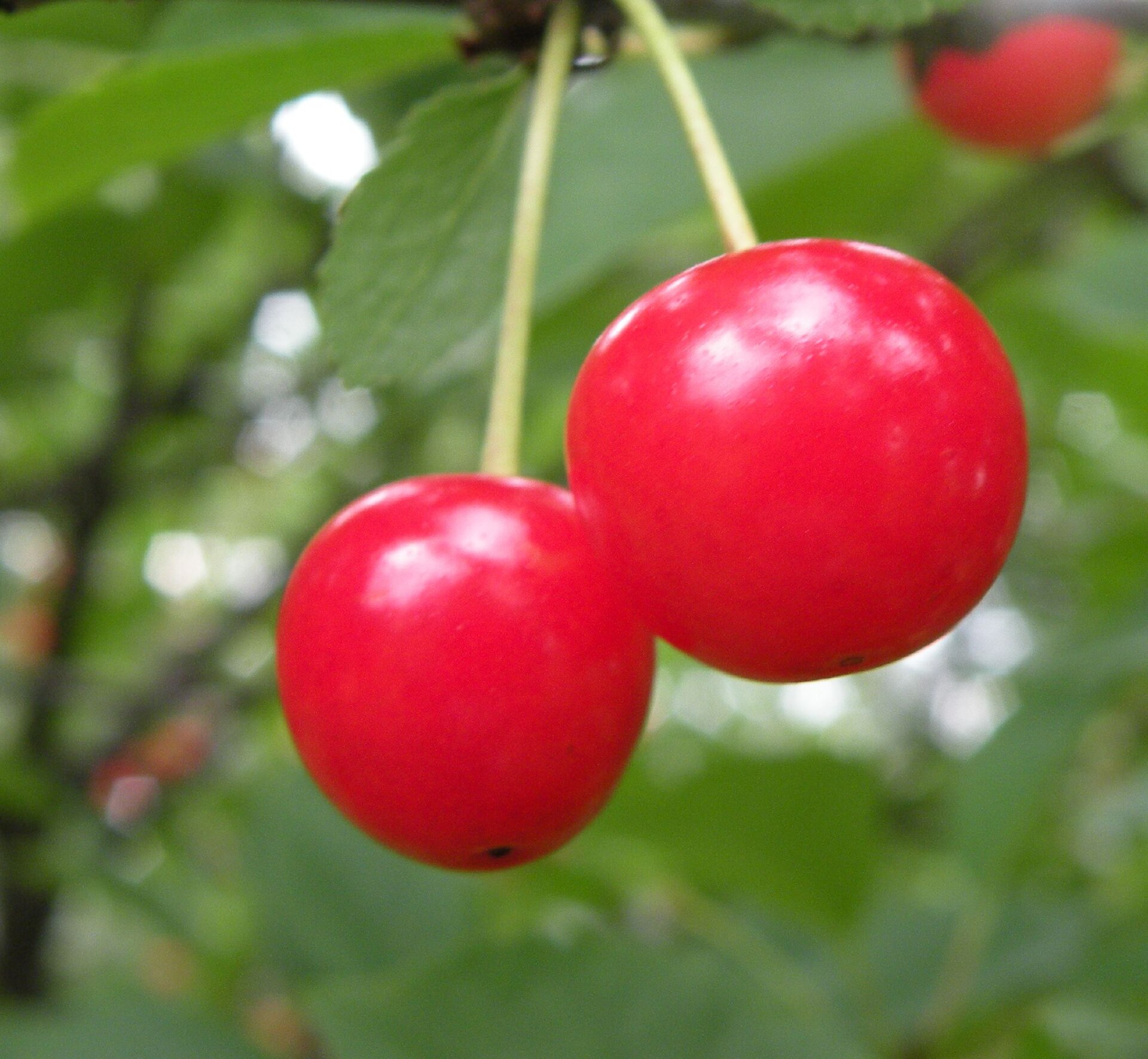
The cherry variety behind Michigan's status as a tart-cherry powerhouse is Montmorency, and the reason it grows so well here is the same lake-moderation effect that makes the state's whole western coast fruit country: Lake Michigan delays spring bud break just long enough to dodge the worst late frosts, and keeps summer nights cool enough for the fruit to develop properly. Traverse City built an entire civic identity around it, home to the National Cherry Festival and to Cherry Republic — founded in 1989 by Glen Arbor native Bob Sutherland, who started out selling cherry-themed t-shirts from the trunk of his car before adding his original cherry cookie and, eventually, a full retail operation now built around roughly 200 cherry-based products. Dried tart cherries, cherry preserves, and cherry salsa all travel well and hold their flavor far longer than the fresh fruit's brief summer window.
Upper Peninsula Maple Syrup
Maple syrup is Michigan's oldest agricultural product, tapped by Indigenous communities and early settlers alike long before it became a spring tourism event, and the U.P. side of that industry has been growing fast: the number of maple operations in the Upper Peninsula rose from 71 in 2002 to 138 in 2022, a 94 percent increase, with Marquette, Gogebic, and Houghton counties posting the largest gains. The season itself runs on freeze-thaw physics — sap only flows when nights freeze and days thaw, which starts as early as February in southern Michigan and can stretch into April in the U.P., where the state's largest sugar bushes (stands of tapped maples) are concentrated. A jar of real Michigan maple syrup, particularly from a small U.P. producer rather than a national brand, is about as literal a "taste of place" as a food gift gets.
Wild-Foraged Mushrooms and Teas
The category almost nobody thinks to shop for is wild-foraged food, and it's arguably the most distinctly Michigan gift of the four, precisely because it can't be replicated anywhere else on demand — these are products of a specific season and a specific patch of woods, not a crop planted on a schedule. The Gourmet Gleaner, based in Wayland near Grand Rapids, sells dried morels, chanterelles, black trumpets, and chicken of the woods alongside Michigan's own native truffle (Tuber canaliculatum) and a line of birch and spicebush teas — all foraged, not farmed, and all dried specifically to ship and store rather than needing to be eaten within days. For a traveler who's already bought fudge and cherries on previous trips, wild-foraged goods are a genuinely novel category most visitors never think to look for. Our full West Michigan foraging guide covers the whole seasonal calendar behind it.
What Actually Ships Well
Not everything on this list travels equally well, and it's worth sorting gifts by how they'll hold up rather than just by how good they sound in the shop. Dried goods — cherries, maple syrup (sealed, it's essentially shelf-stable), and foraged mushrooms and teas — are the safest bets for shipping or a long drive home, since none of them need refrigeration and none are fragile. Fudge is the outlier: it's dense and doesn't spoil quickly, but it does soften in heat, so a fudge box left in a hot car or a non-insulated summer shipment can arrive as a solid block rather than distinct pieces — still edible, just not photogenic. If you're buying as a gift rather than for yourself, ask the shop how they recommend shipping their own product; most of the operations above ship directly and have already solved this problem.