In This Guide
Camp Grayling Hartwick Pines and What Michigan Used to Look Like The River That Made the Town The Birthplace of Trout UnlimitedGrayling takes its name from a native fish species, the Michigan grayling, that once filled the region's cold, clear rivers in such numbers that nineteenth-century anglers described clouds of them visible from the riverbank, and that has been functionally extinct in the state since the early twentieth century, driven out by logging-era habitat destruction and overfishing before most modern conservation practices existed to stop it. The irony that a town named for a vanished fish became one of the most significant fishing and paddling destinations in the Midwest is not lost on locals, and Grayling has built a genuinely substantial outdoor recreation economy around the very river system that outlived the fish it was named for.
Camp Grayling
Just outside town, Camp Grayling sprawls across more than 147,000 acres of forest and wetland, making it, by land area, the largest National Guard training facility in the entire United States, a scale that surprises most visitors who assume a facility this significant would be located somewhere more obviously strategic than the middle of Michigan's northern Lower Peninsula. The base has trained soldiers continuously since the 1910s, and its sheer footprint means that a considerable portion of the surrounding forest, invisible to most passing travelers, is functioning as an active military training ground rather than simple recreational woodland, a fact that occasionally surprises hikers who wander closer to the boundary than local signage anticipated.
The economic relationship between Camp Grayling and the town itself runs deep, with the base representing one of the largest employers in the region and periodic training exercises bringing thousands of temporary personnel through town, filling local restaurants and hotels in a rhythm largely invisible to the summer tourists who come for the river instead.
Hartwick Pines and What Michigan Used to Look Like
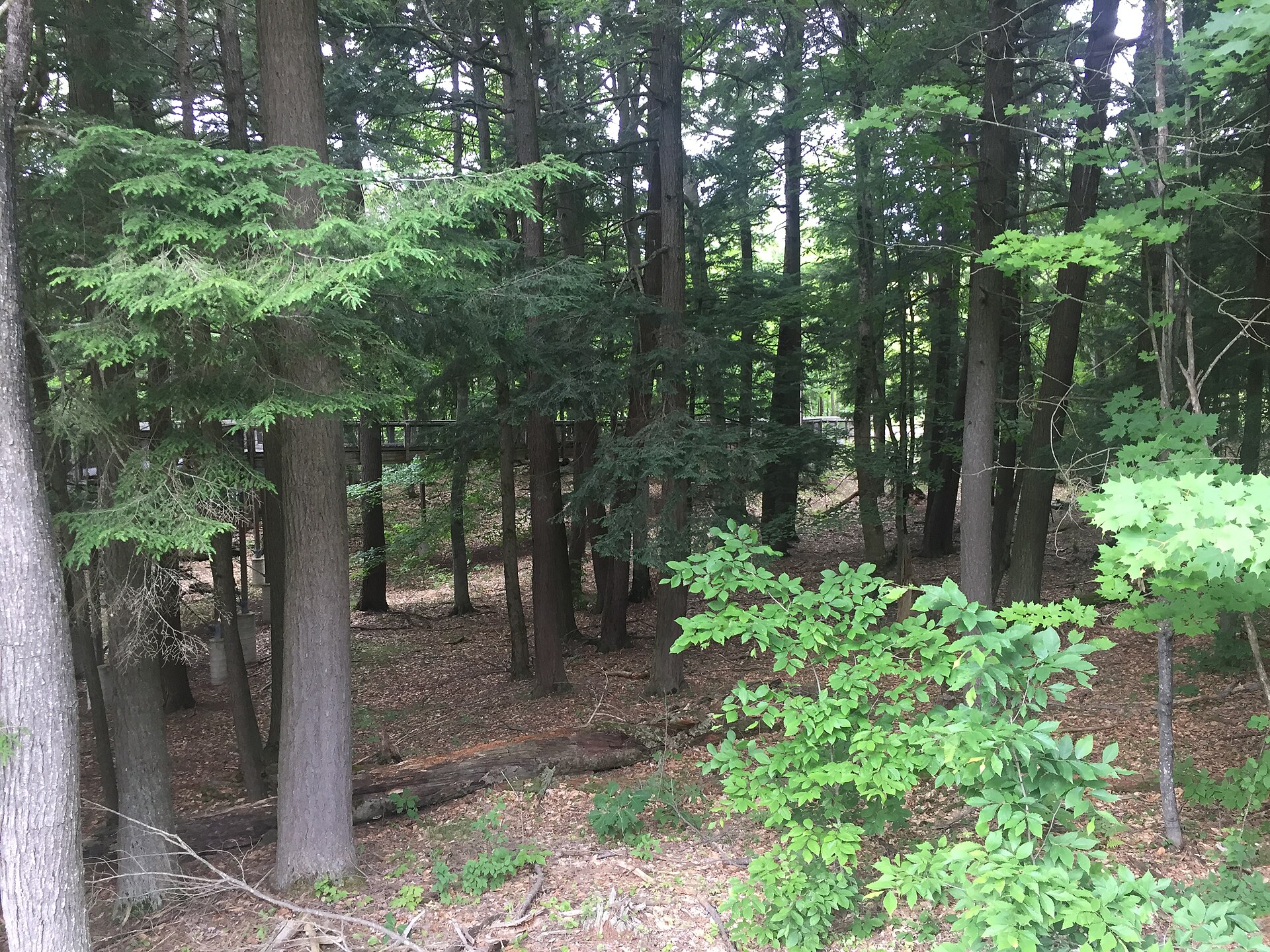
Hartwick Pines State Park protects one of the last remaining stands of old-growth white pine forest in Michigan, a roughly forty-nine-acre remnant of the towering timber that once covered most of the northern Lower Peninsula before nineteenth-century logging operations reduced nearly all of it to stumps within the span of a few decades. Walking beneath trees that stand more than 150 feet tall and predate European settlement by centuries gives visitors a rare, almost disorienting sense of scale, since so little of Michigan's original forest survived the logging era intact, and the park's Logging Museum nearby fills in the considerably less romantic industrial history of exactly how thoroughly the rest of the state's pine forest was removed.
The park's visitor center does a genuinely effective job of explaining just how central the logging industry was to Michigan's nineteenth-century economy, and standing among the surviving old-growth pines afterward tends to land with more weight once a visitor understands exactly how rare a sight this forest has become.
The River That Made the Town
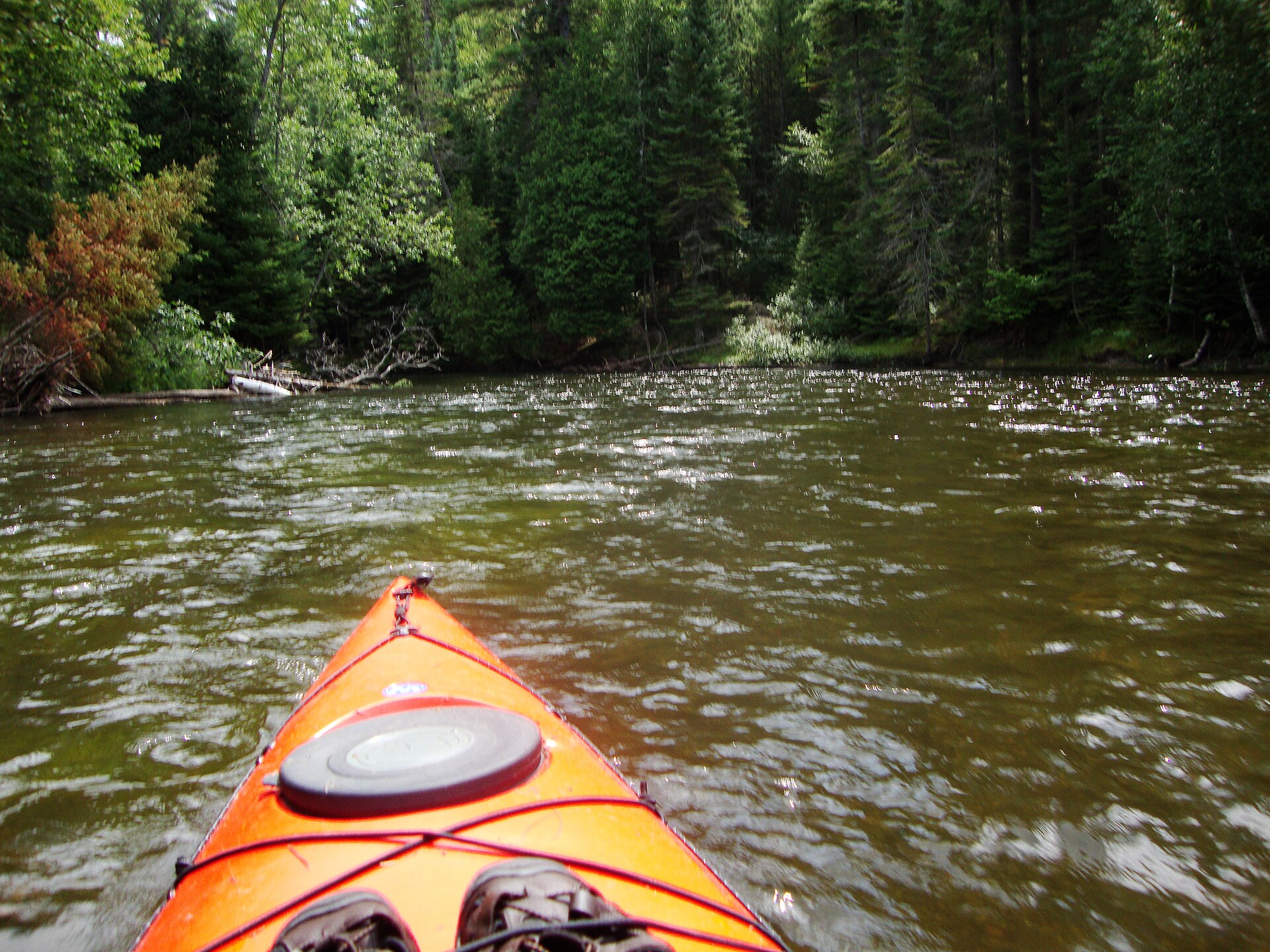
The Au Sable River's headwaters begin near Grayling, and the town has leaned fully into its identity as a paddling and fly-fishing hub, with canoe liveries, guide services, and riverside campgrounds lining the water for miles in every direction. The AuSable River Canoe Marathon, a grueling overnight nonstop race covering roughly 120 miles from Grayling to Oscoda, launches from the town each July, drawing serious competitive paddlers and casual spectators alike to watch teams depart at dusk for a race that will not finish until well into the following afternoon, a local tradition that has run continuously since the 1940s and shows no sign of losing its grip on the community's summer calendar.
The Birthplace of Trout Unlimited
In July 1959, a group of sixteen anglers gathered on the banks of the Au Sable near Grayling, united by a shared frustration with the state's practice of restocking rivers with hatchery-raised trout rather than protecting the wild fish populations and cold, clean water those fish actually needed to thrive. Led by local conservationists including George Griffith, an amateur fly-tier whose own Griffith's Gnat pattern remains a staple in fly boxes worldwide, the group founded Trout Unlimited that day, an organization that would go on to become the leading coldwater conservation nonprofit in the United States, with hundreds of chapters and hundreds of thousands of members advocating for river habitat protection across the entire country.
That founding moment is memorialized with a small monument along the riverbank not far from where the meeting actually took place, a modest marker for an organization whose influence on American river conservation policy has been anything but modest, and fly fishers who make the pilgrimage to Grayling specifically to fish the Au Sable often make a point of stopping to see the spot where the modern conservation movement's approach to trout streams first took organized shape.