East Lansing exists, in a genuinely direct and unusual way, because Michigan State University existed first: the land that would become the city was a remote, largely undeveloped stretch east of the state capital when the university's predecessor institution opened its doors, and the city's entire subsequent history has developed in lockstep with the campus at its center ever since.
A College Before It Was a City
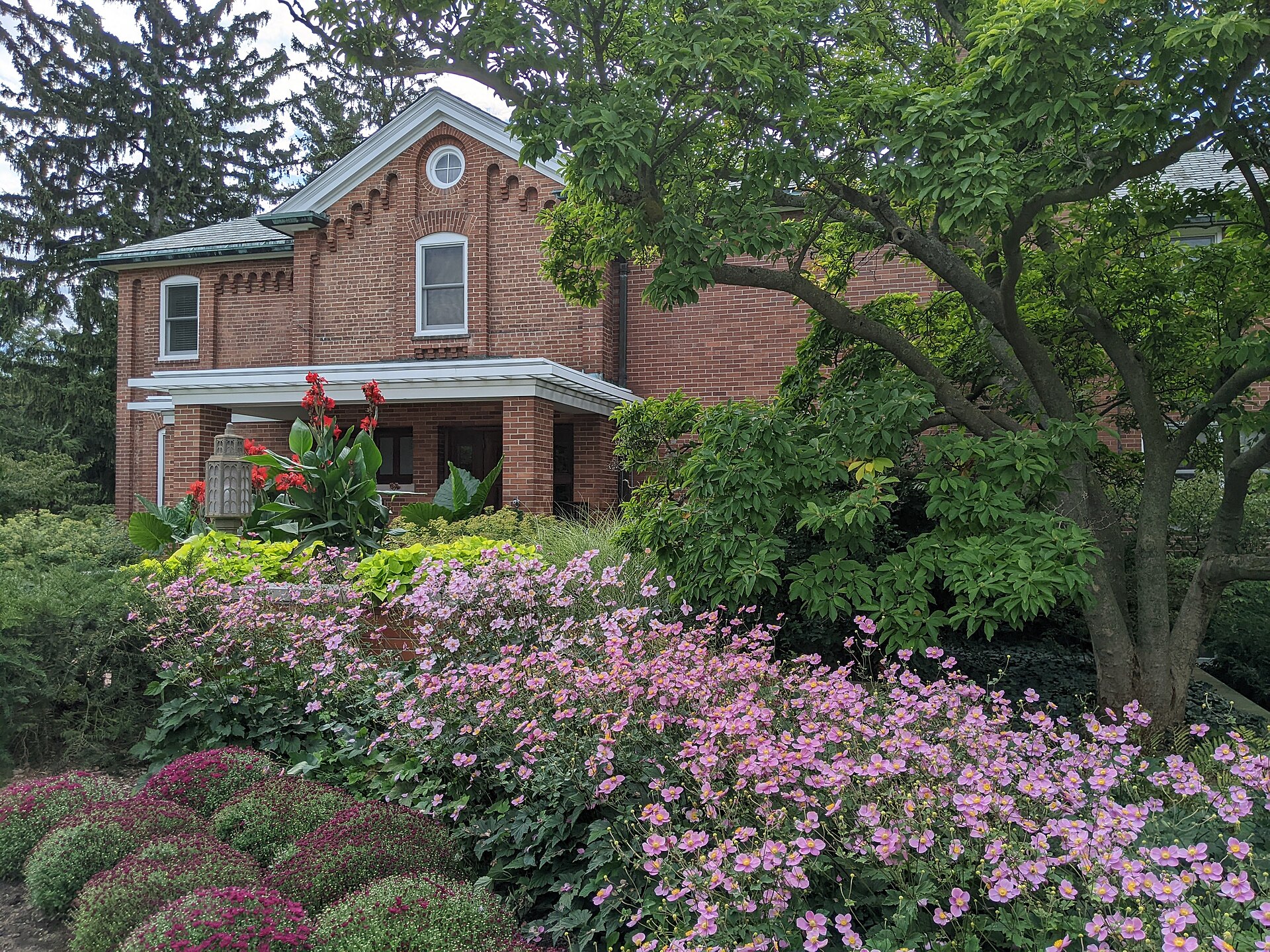
Michigan State University opened in 1857 as the Agricultural College of the State of Michigan, the very first agricultural college established anywhere in the United States, founded on land east of Lansing that had no meaningful settlement of its own at the time. The university's earliest houses, known collectively as Faculty Row, went up directly on campus grounds during the 1850s, and the city that would eventually surround the university quite literally grew outward from that original faculty housing rather than the more typical pattern of a college being built to serve an already-established town.
World-famous botanist William James Beal, working alongside mathematician Rolla C. Carpenter, laid out a residential tract just north of campus in the young institution's early decades, planning what would become East Lansing's own residential neighborhoods as a deliberate extension of the university's own physical footprint rather than as independent civic development.
The Land-Grant Prototype
Michigan State's founding as an agricultural college made it the widely recognized prototype for the entire national system of land-grant colleges later established under the federal Morrill Act of 1862, a piece of legislation that used Michigan's own institution as a working model for the agricultural and mechanical colleges it funded across the rest of the country. Botanist Liberty Hyde Bailey established the nation's first horticultural laboratory at the school in 1888, part of a broader pattern of genuine academic firsts that the young institution racked up well before it carried anything resembling its current name.
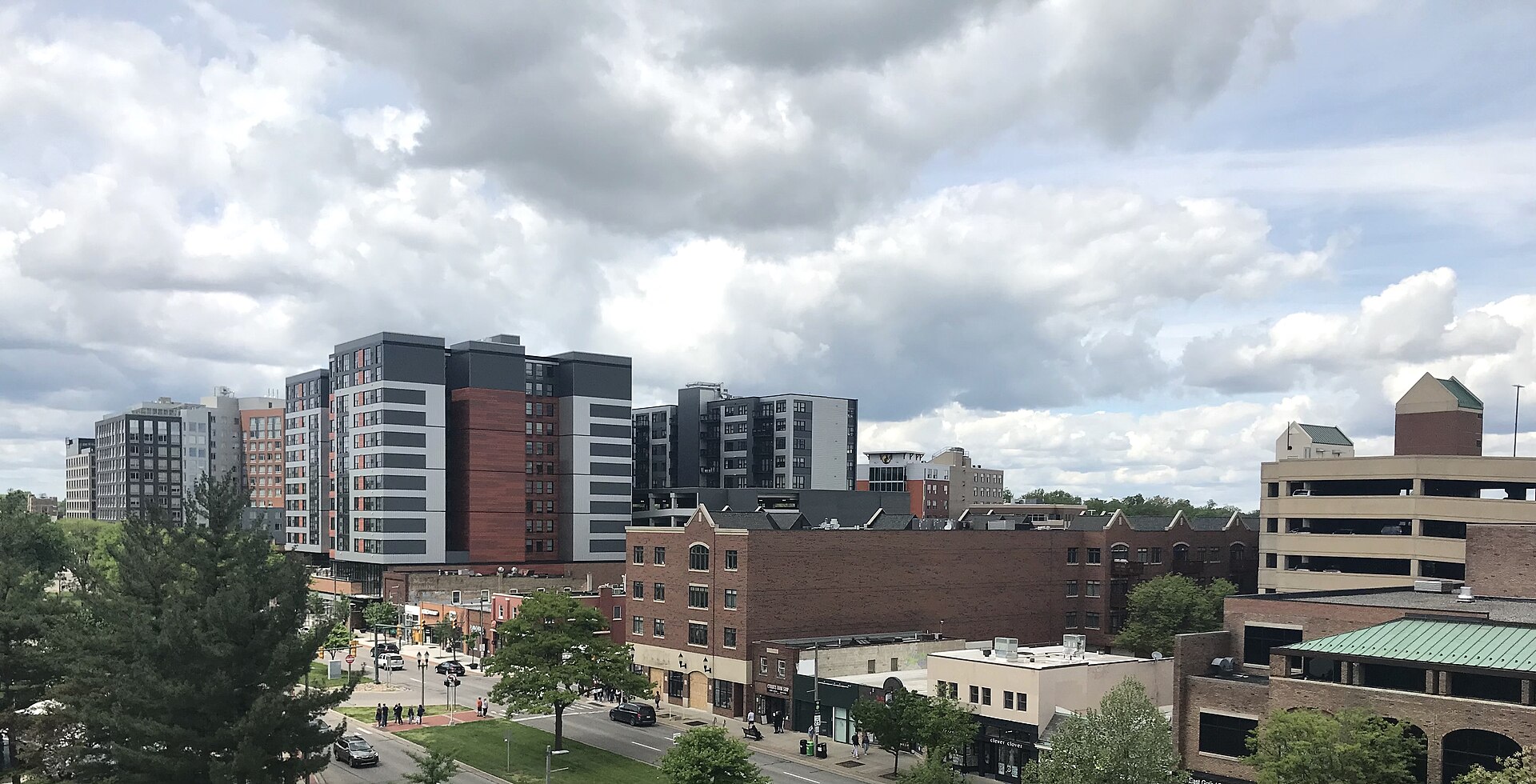
The rush of early twentieth-century growth around the expanding campus led to the 1907 chartering of "Collegeville" and its adjacent neighborhoods as the formally incorporated city of East Lansing, and the university itself changed names four separate times before finally settling on Michigan State University in 1964, its academic mission having long since expanded well beyond the agricultural and mechanical focus its founders originally intended.