Ionia sits along the Grand River roughly midway between Grand Rapids and Lansing, a mid-sized county seat whose downtown of Italianate storefronts and its genuinely handsome Richardsonian Romanesque courthouse reflect a nineteenth-century prosperity built on agriculture and the furniture-adjacent manufacturing that flourished throughout this stretch of the Grand River valley. For one week each summer, though, Ionia's population effectively multiplies several times over, as one of the largest free agricultural fairs remaining anywhere in the country takes over the town's fairgrounds and, for a few days, turns this otherwise quiet county seat into a genuine regional destination.
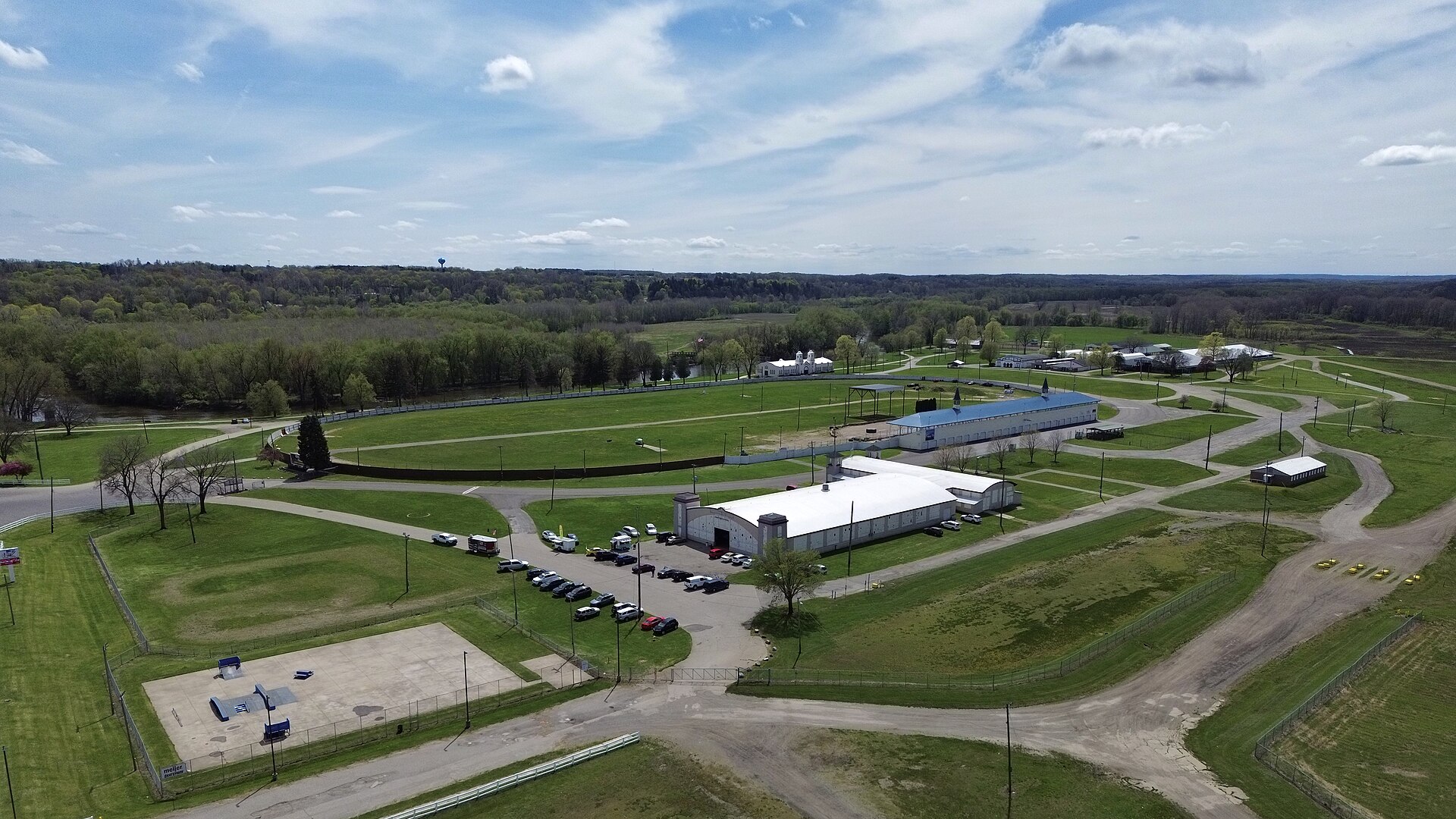
The Ionia Free Fair
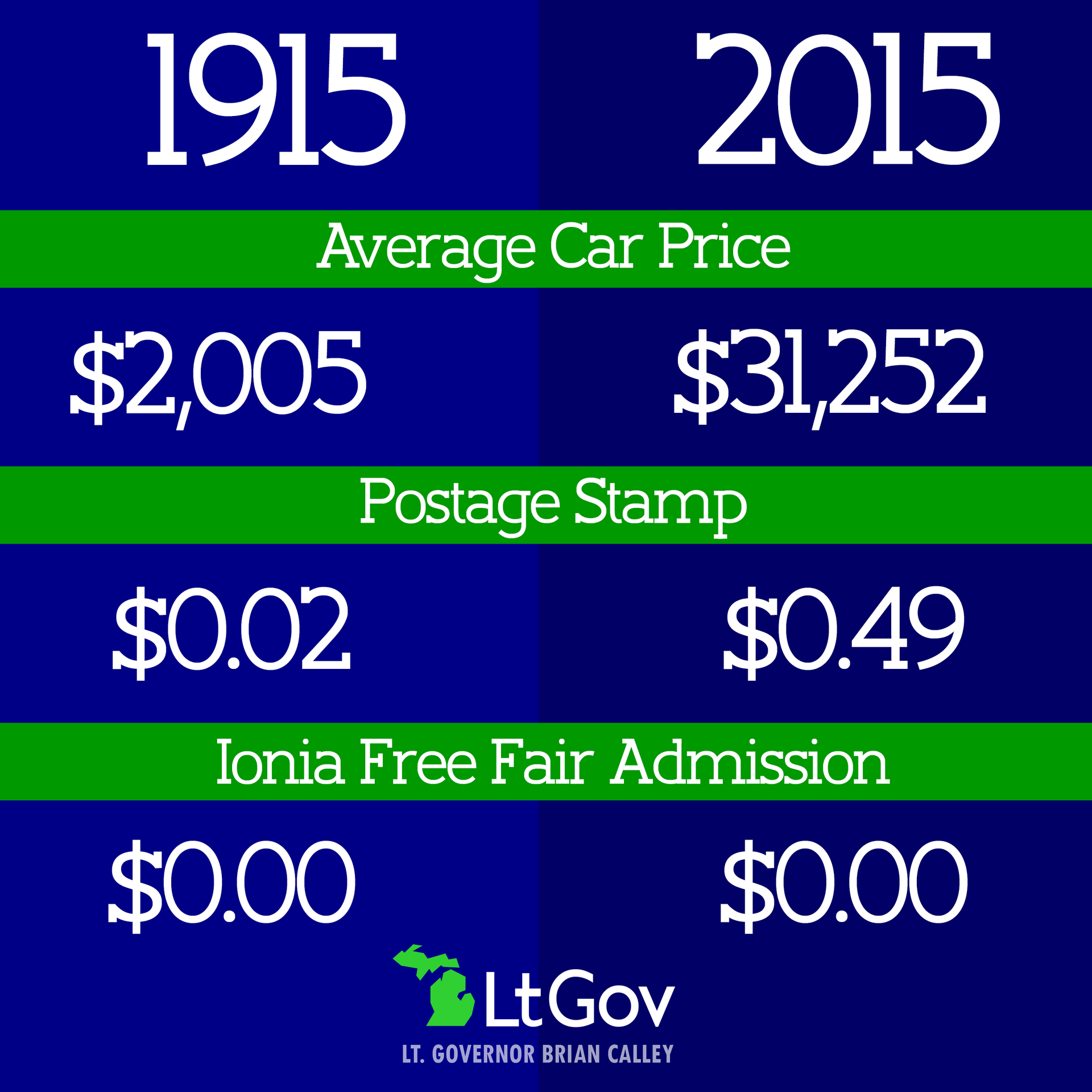
The Ionia Free Fair traces its roots back to the 1870s, and it has held onto its founding promise of free general admission across a century and a half of American county fairs steadily adding or raising entrance fees, a distinction the fair's organizers and the surrounding community treat with genuine, hard-earned pride. The week-long event fills the fairgrounds with 4-H livestock competitions, a full-scale midway, grandstand entertainment ranging from demolition derbies to touring country music acts, and enough agricultural exhibits to make clear that, free admission aside, this remains a genuine working agricultural fair rather than a nostalgia exercise dressed up for tourists.
Attendance during fair week regularly reaches into six figures across the full run of the event, a genuinely startling number for a county whose year-round population is a small fraction of that, and the logistics of hosting a crowd that size in a town of Ionia's modest scale have, over the decades, become something the whole community organizes its summer calendar around.
A Courthouse Built to Impress
The Ionia County Courthouse, completed in 1885 in a heavy, round-arched Richardsonian Romanesque style, remains one of the more architecturally ambitious county courthouses anywhere in Michigan, its rough-cut stone facade and substantial clock tower reflecting a level of civic investment that mid-sized nineteenth-century county seats across the Midwest regularly poured into their government buildings as a form of competitive civic pride. The surrounding downtown, built up around the same era, retains enough of its original Italianate commercial architecture that a walk down Ionia's main street offers a genuinely well-preserved sense of what a prosperous small Michigan city looked like well over a century ago, largely undisturbed by the kind of mid-century urban renewal that stripped similar detail from many comparable downtowns elsewhere in the state.