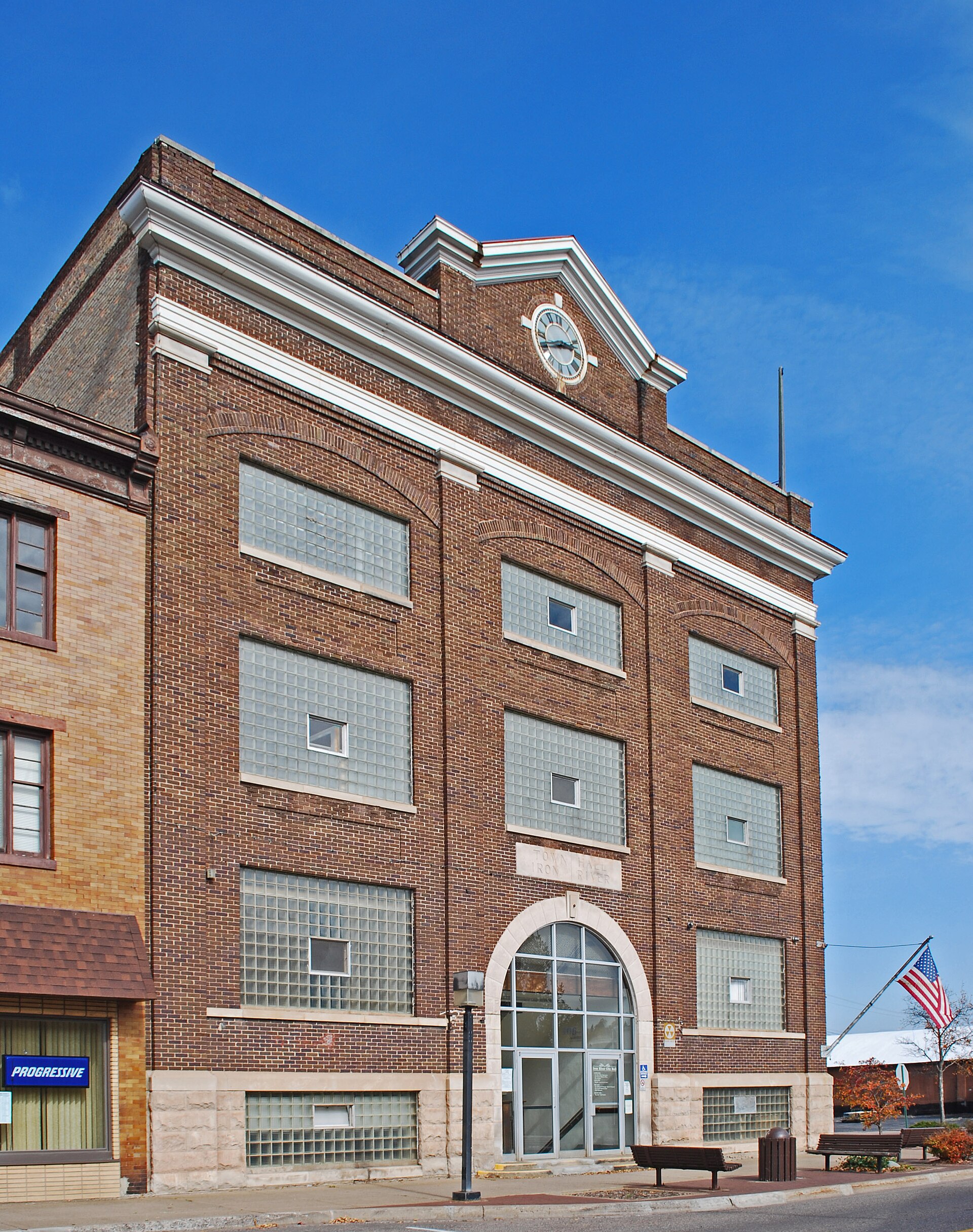
Iron River sits in Michigan's western Upper Peninsula as the largest city in Iron County, a title it holds despite having lost, by the narrowest possible margin, the fight to become the county's actual seat of government. The town's mining-camp origins and its long, occasionally bitter rivalry with neighboring Crystal Falls are woven into nearly every layer of local history, giving Iron River a civic identity shaped as much by what it didn't win as by what it did.
The Mine That Started a County
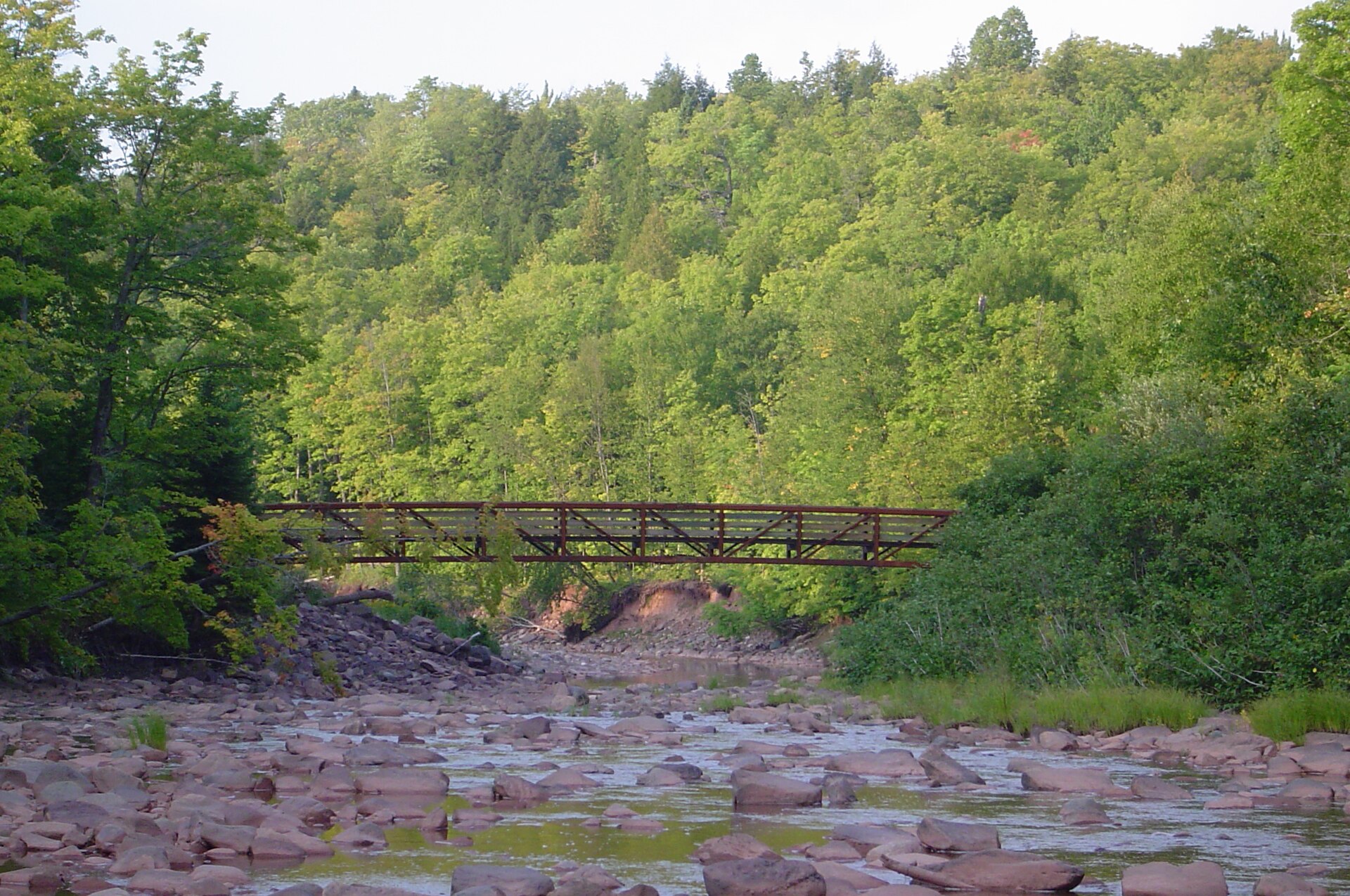
European prospectors began arriving in what would become Iron County in significant numbers around 1875, and 1880 proved to be the pivotal year for the entire region: John Armstrong opened the Crystal Falls Mine along the Paint River that same year, while Donald C. MacKinnon opened the Iron River, or Riverton, Mine along the river that would eventually give the town its name. Those twin 1880 strikes established the two population centers that would define Iron County's internal geography for the rest of its history, each mine anchoring a growing settlement on its own side of a county that would soon split away from Marquette County altogether.
Iron River incorporated first as a village within its own township in 1885 and later as a full city in 1926, and more than a century after the original mining boom, the modern city underwent a further consolidation: in a 1999 vote, residents of Iron River, the neighboring city of Stambaugh, and the village of Mineral Hills approved merging into a single unified city that kept the Iron River name, with the consolidation taking effect in July 2000.
A Five-Vote County Seat Fight
When Iron County formally split from Marquette County in 1885, Iron River, then the only incorporated village in the entire new county, was designated the temporary seat of government almost by default. Crystal Falls, however, mounted a determined campaign to claim the seat permanently, and the resulting rivalry grew heated enough that county records were reportedly spirited away from the Iron River courthouse by Crystal Falls partisans at one memorable point in the dispute, before a formal 1888 vote finally settled the matter in Crystal Falls's favor by a margin of just five votes.
That razor-thin defeat has become something of a point of local lore in Iron River rather than a lingering grievance, and the modern city has built its own separate identity as the county's population and commercial center regardless of which town technically holds the courthouse, its downtown and surrounding Upper Peninsula wilderness drawing a steady stream of hunters, snowmobilers, and travelers exploring the more remote western reaches of the peninsula.