L'Anse and Baraga face each other across the sheltered waters of Keweenaw Bay at the base of the Keweenaw Peninsula, two small county-seat communities whose shared history reaches back considerably further than most Upper Peninsula towns, rooted in French fur trade, Ojibwe homeland, and a Jesuit mission that predates the copper rush by decades. The name L'Anse itself, French for "the cove," describes the town's position with unusual literalness, and the deep, protected bay it refers to has shaped the settlement pattern of this entire corner of the peninsula since long before either village existed in any formal sense.
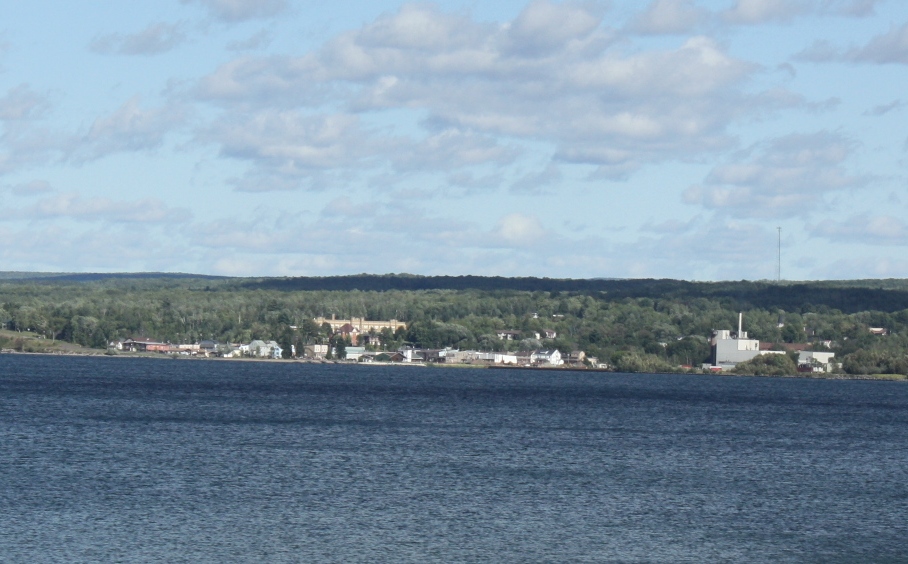
A French Name for an Ojibwe Homeland
French colonists established a fur trading post at the site well before American settlement began in earnest, operating alongside a Jesuit mission that served the substantial Ojibwe population already living along Keweenaw Bay, and the village that eventually formed around that trading post simply inherited the French descriptive name that had already attached itself to the location. Following a series of nineteenth-century treaties, including the Chippewa Treaty of 1854, the Ojibwe ceded extensive tracts of surrounding land to the United States, and the L'Anse Indian Reservation established in that treaty's aftermath remains, to this day, both the oldest and the largest Indian reservation in the state of Michigan.
The modern village of L'Anse did not formally take shape until 1871, when a new railroad line terminating at the head of the bay gave the settlement a genuine commercial reason to organize and incorporate, considerably later than the site's actual human history would suggest. That railroad-driven founding pattern repeats itself across dozens of Upper Peninsula communities, but L'Anse's deeper French and Ojibwe roots give it a historical layering that towns built purely around nineteenth-century industry simply cannot match.
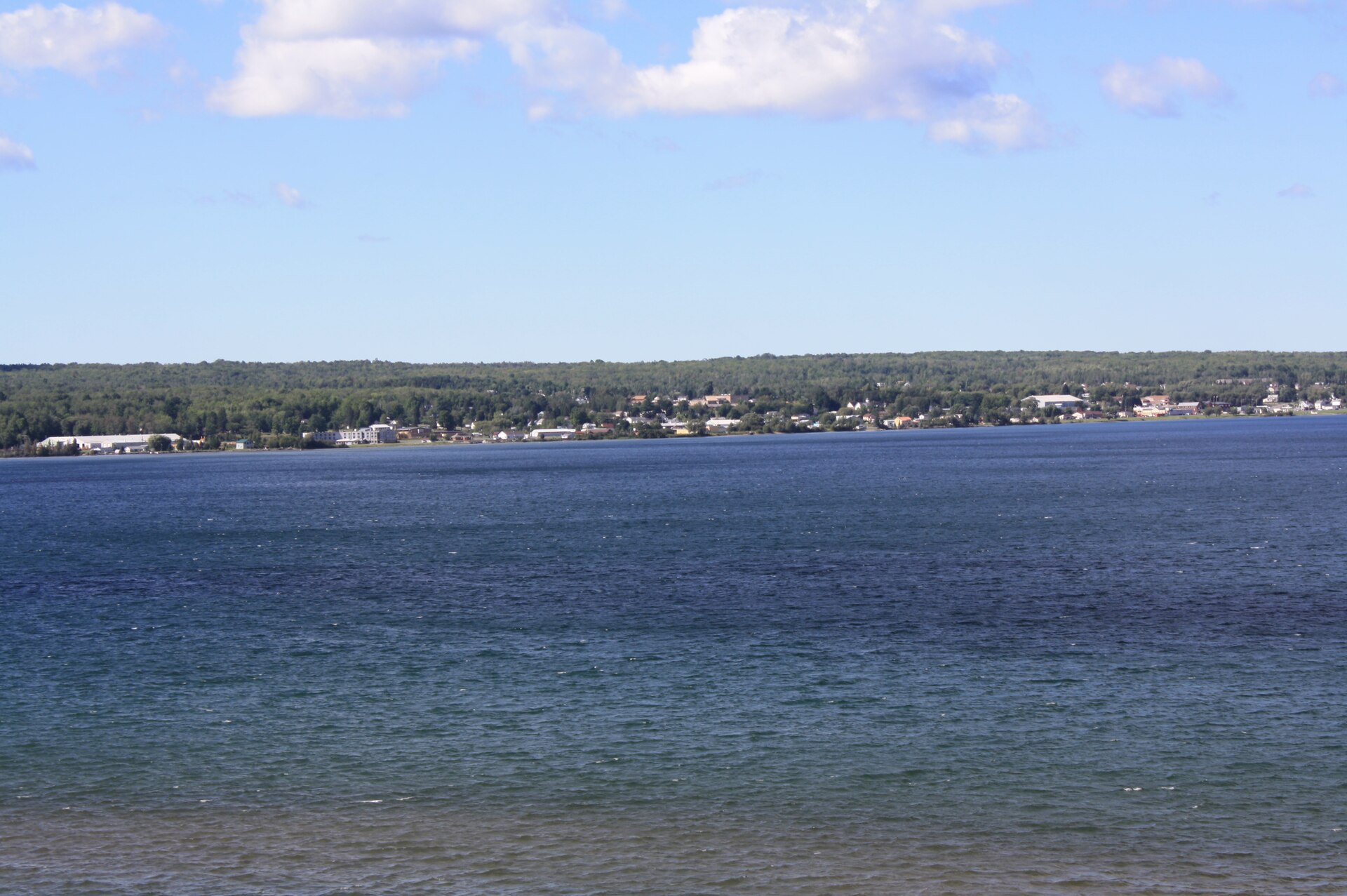
The Snowshoe Priest's Mission
Bishop Frederic Baraga, the missionary for whom the neighboring village and surrounding county are both named, founded a mission among the Ojibwe at L'Anse in 1843, beginning a ministry so physically demanding that it earned him the enduring nickname "the Snowshoe Priest": over the course of his career serving Ojibwe and Ottawa communities and Upper Peninsula mining camps alike, he is said to have covered more than seven hundred miles on foot during a single winter's travels, moving between scattered missions by snowshoe, canoe, dogsled, and whatever other means the season and terrain permitted. Baraga was eventually consecrated bishop and became the first head of what is now the Diocese of Marquette, and a shrine overlooking Keweenaw Bay near L'Anse today commemorates his ministry with a monumental statue visible from the water below.
The twin communities' modern identity leans heavily into this layered history, with the Ojibwe cultural presence, the French place names, and the missionary legacy all still visibly present across the L'Anse and Baraga area rather than confined to a single museum exhibit, giving visitors a rare Upper Peninsula destination where the pre-mining history feels every bit as prominent as the industrial era that defines most of the region's other towns.