In This Guide
Craig Lake State Park Van Riper State Park and the Practical Base Reading the LandscapeMichigamme is a small community on US-41 west of Marquette, the sort of place a traveler passes through in under a minute while heading somewhere with a larger name. What earns it a guide of its own sits one mile to the west: Craig Lake State Park, more than 9,700 acres spread across Baraga and Marquette counties, and by common agreement the most remote state park in Michigan. This is not remoteness in the marketing sense. The park's own guidance strongly recommends a high-clearance four-wheel-drive vehicle to reach it, the campsites are paddle-in only, and the canoe launch is undeveloped. Michigamme is where a visitor stages, provisions, and makes an honest assessment of whether their vehicle and their expectations are up to the job.
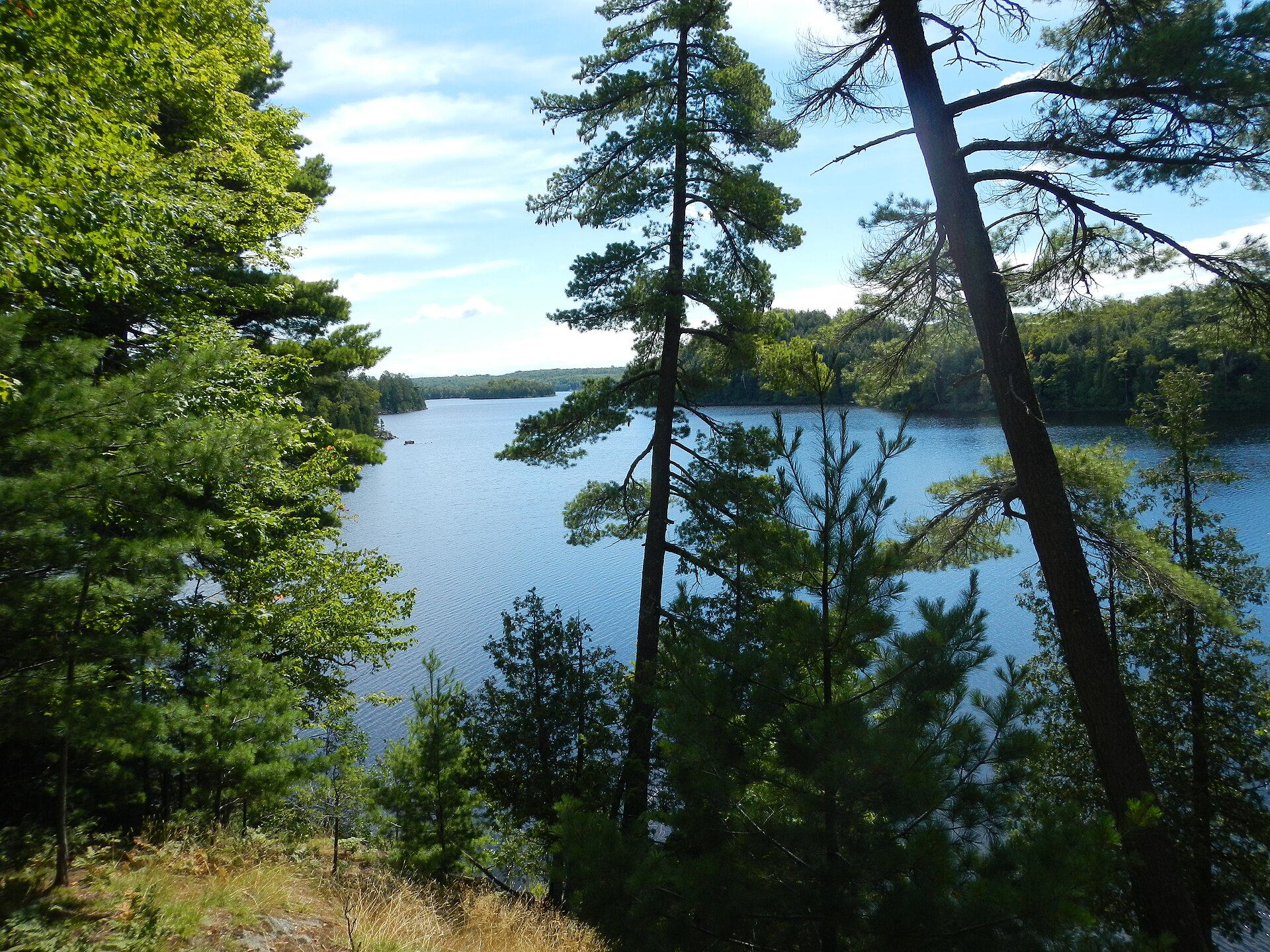
Craig Lake State Park
Craig Lake State Park protects better than 9,700 acres of lake, forest, and undeveloped shoreline, and the state has deliberately declined to soften it. There are two remote campsites reachable only by paddle, and the canoe launch near the park entrance is undeveloped — a place to put a boat in the water rather than a facility. The absence of amenities is the entire design intent, producing a wilderness experience within a state park system that otherwise leans heavily toward modern campgrounds with electrical hookups. For paddlers and backcountry campers, it is close to unmatched in the Lower 48's eastern half.
Getting there is the first real obstacle and should not be underestimated. The access roads are rough, and the park's guidance to bring high ground clearance and four-wheel drive is not boilerplate hedging — it reflects genuine conditions that punish ordinary passenger cars, particularly in wet weather or shoulder season. Campers must also check in and obtain a camper pass at Van Riper State Park before proceeding, so the trip involves a deliberate sequence rather than simply driving to a gate. Planning that sequence in advance, with a realistic assessment of daylight and road conditions, separates a good trip from an unpleasant one.
Van Riper State Park and the Practical Base
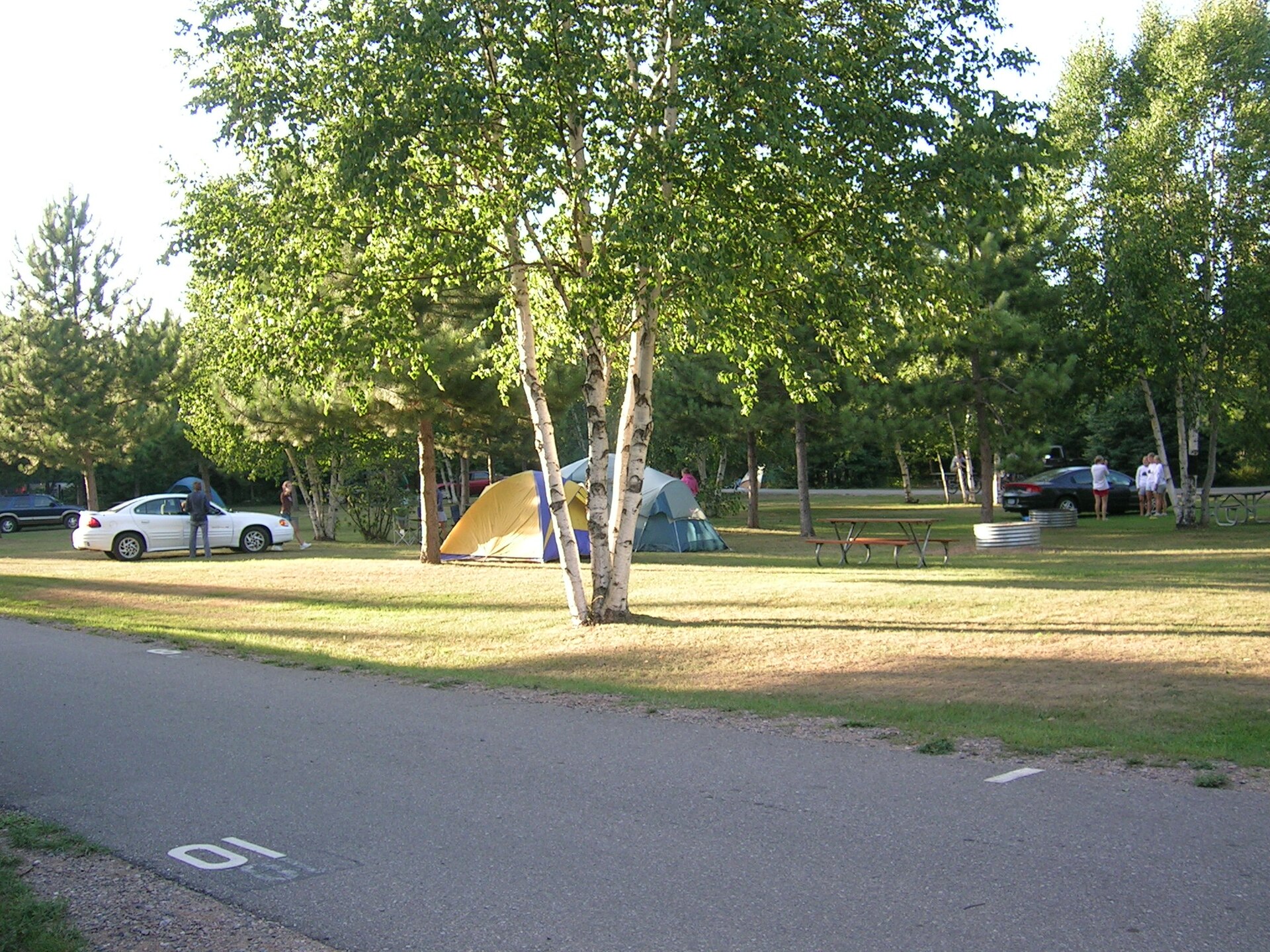
Van Riper State Park sits along US-41 roughly forty minutes west of Marquette and functions as the developed counterweight to Craig Lake's austerity. It offers 147 modern sites with electrical hookups alongside 40 rustic sites, plus mini cabins for travelers arriving without camping equipment, and it is the mandatory check-in point for Craig Lake campers regardless. For many visitors the sensible arrangement is to base at Van Riper, day-trip into the Craig Lake country, and retain the option of a hot shower and a powered site at the end of it.
That pairing also suits groups of mixed appetite for hardship. A party in which some members want paddle-in wilderness and others emphatically do not can split the difference here without anyone driving two hours to reconvene. Michigamme itself, sitting between the two parks on US-41, supplies the modest services a traveler needs in transit, and the highway corridor westward toward Baraga and L'Anse opens into further public land for anyone extending the trip beyond a weekend.
Reading the Landscape
The country around Michigamme belongs to the ancient core of the continent, and the terrain reflects it — rocky, uneven, studded with lakes held in basins scoured by ice and floored by some of the oldest exposed rock in North America. This is the same geological province that produced the iron ranges to the south and the copper country to the north, and the landscape's refusal to lie flat is a direct consequence of that deep history. For a visitor accustomed to the sandy, glacially smoothed terrain of the northern Lower Peninsula, the change in texture is immediately apparent.
Practically, that geology governs the experience. Portages are rocky and roots are everywhere; lakes are deep, cold, and clear rather than shallow and warm; and trails climb and drop more than a map's mileage suggests. Visitors should carry more water and allow more time than a comparable distance elsewhere in Michigan would demand, and they should treat weather with appropriate seriousness — this is country where a wrong turn or a broken axle carries real consequences because help is genuinely far away. Handled with respect, it delivers a quality of solitude that has become scarce almost everywhere else.