Ishpeming and Negaunee sit close enough together, just west of Marquette on the Upper Peninsula's iron-rich Marquette Range, that most visitors treat them as a single destination rather than two distinct municipalities, and the twin cities share a genuinely foundational claim on Michigan history: this is the ground where the state's entire iron mining industry began. What grew out of a single 1844 survey discovery eventually produced more iron ore than any other state in America during the industry's nineteenth-century peak, and the mining museums, historic mine sites, and even a national sports hall of fame scattered across both communities today reflect just how much of Michigan's industrial identity traces directly back to this particular stretch of the Upper Peninsula.
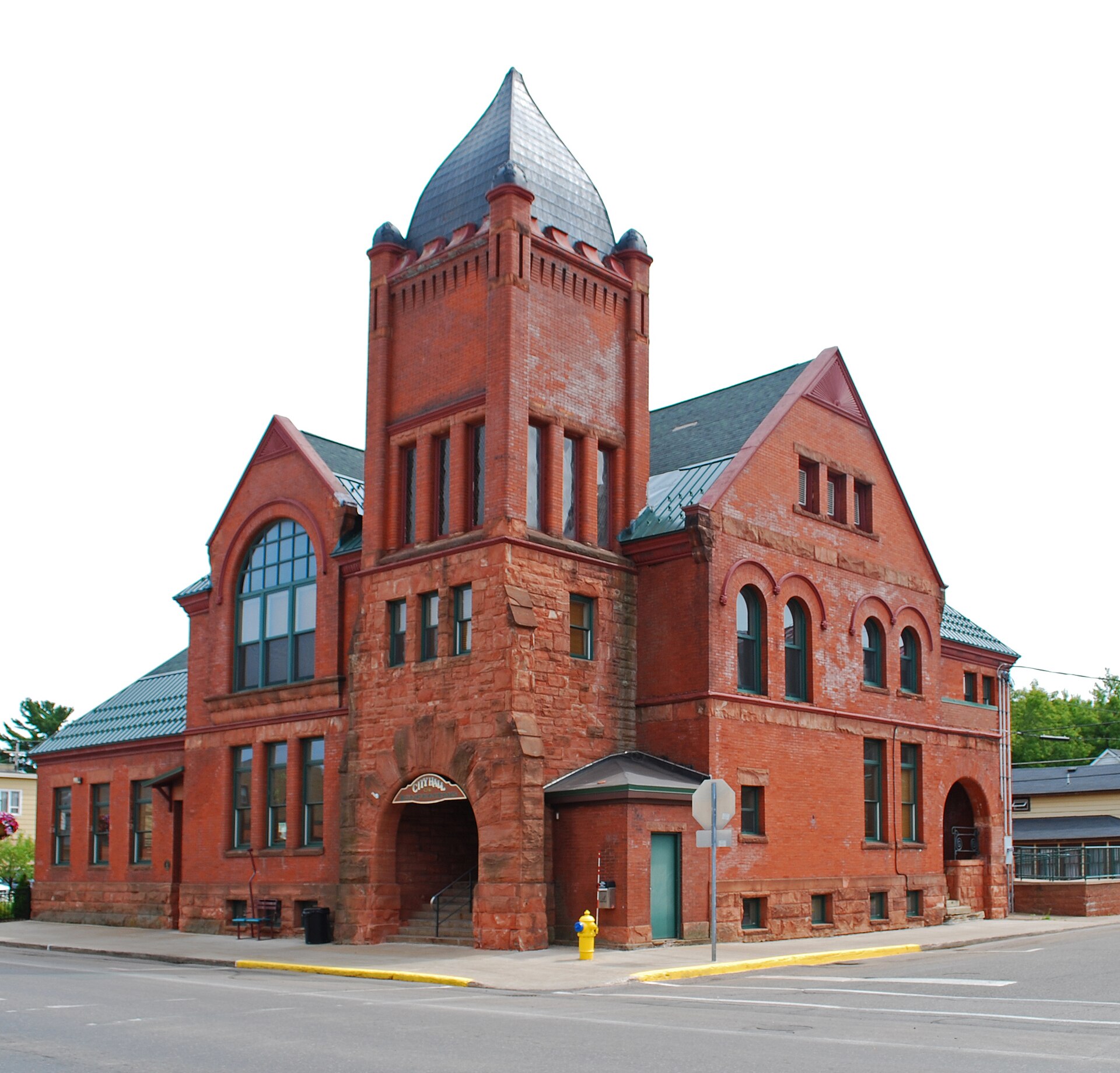
Where Michigan's Iron Age Began
On September 19, 1844, the surveyor William Austin Burt and his crew were working near present-day Negaunee when their compass needle began behaving erratically, deflecting wildly enough that Burt, an experienced surveyor who understood exactly what magnetic interference of that magnitude implied, correctly deduced that a substantial iron ore deposit lay somewhere beneath their feet. That discovery led directly to the Jackson Mine, opened the following year by a group of investors from Jackson, Michigan, and the mine's early success touched off a rush of exploration and investment across the surrounding range that would, within a few decades, make Michigan the nation's single largest iron ore producer.
Ishpeming and Negaunee both grew directly out of that mining boom, their populations swelling with the same wave of Finnish, Cornish, Italian, and other European immigrant labor that defined mining communities across the entire Upper Peninsula, and the two towns developed close enough together, separated by only a few miles of the same iron-rich ground, that their histories have remained genuinely intertwined ever since. Between 1880 and 1890 alone, Michigan's iron ranges outproduced every other state in the country, a statistic that can be difficult to appreciate in the abstract until standing at the mouth of one of the actual mine shafts that generated it.
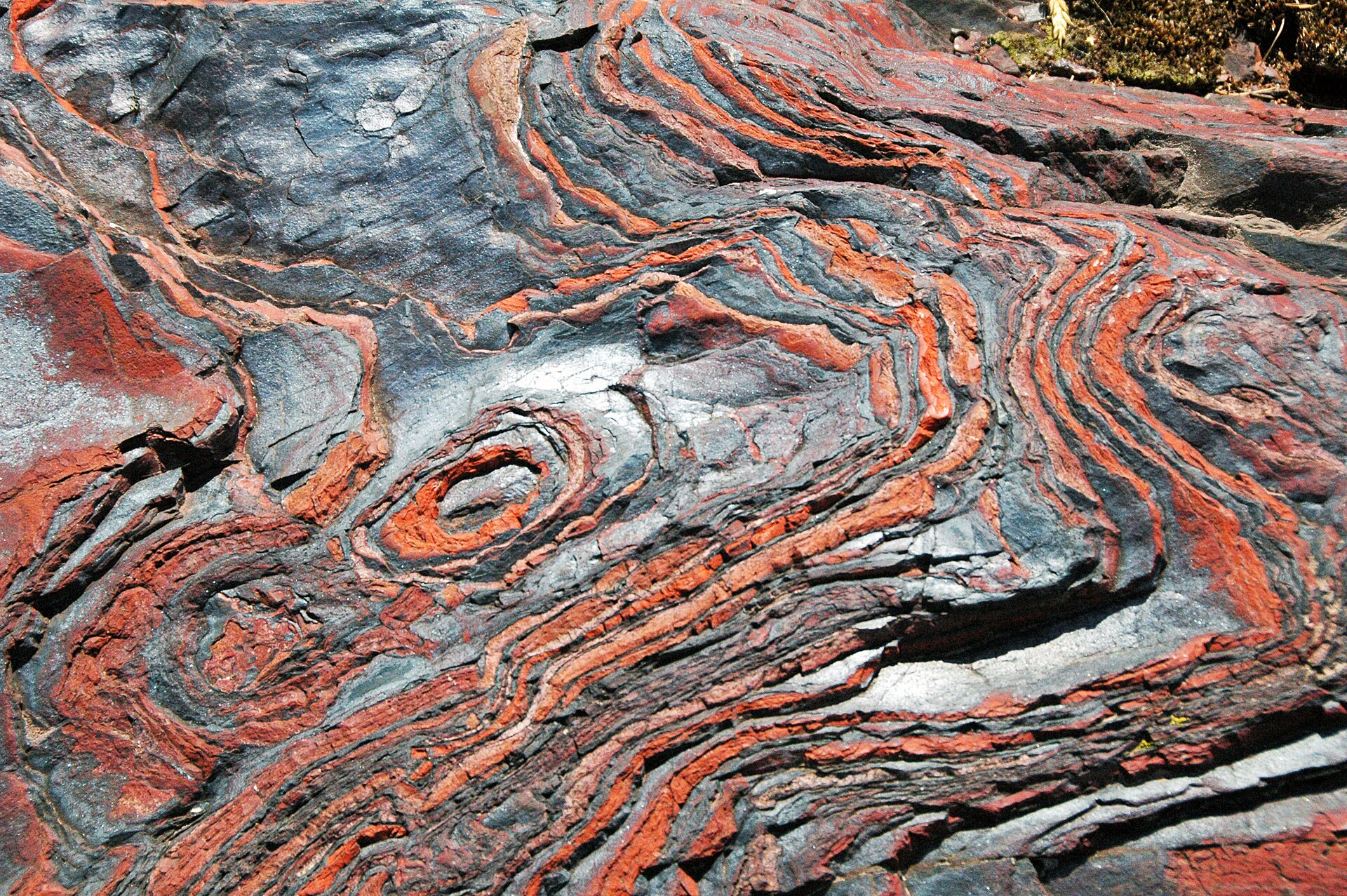
The Cliffs Shaft Mine Museum
The Cliffs Shaft Mine operated in Ishpeming from 1868 until 1967, nearly a full century of continuous extraction that made it, for much of its working life, the premier producer of hard iron ore anywhere in Michigan, its shafts eventually reaching deep enough into the Negaunee iron formation to access ore bodies far beyond what nineteenth-century engineers could have originally imagined recovering. Today the site operates as the Cliffs Shaft Mine Museum, preserving the original headframe, hoist house, and surface buildings well enough that a walking tour conveys both the mine's remarkable working lifespan and the sheer physical difficulty of the labor it demanded across a full century of operation.
A short distance away, Ishpeming's other claim to national significance has nothing to do with iron at all: the U.S. Ski and Snowboard Hall of Fame and Museum occupies a purpose-built facility in town, a fitting tribute to a city where the National Ski Association, the forerunner of today's U.S. Ski & Snowboard governing body, was actually founded in 1905. The twenty-thousand-square-foot museum now houses displays honoring more than three hundred fifty inductees, a genuinely substantial institution for a town of Ishpeming's modest population, and a reminder that this same immigrant mining workforce that built the iron industry also imported a set of winter sports traditions that would eventually shape American skiing at the national level.