In This Guide
The Legacy of Mining in the Upper Peninsula Ghost Towns: Echoes of a Bygone Era A Journey into the Past Historic Michigan Upper Peninsula Mining Towns Cliff Delaware Gay Phoenix Old Victoria RepublicThe Legacy of Mining in the Upper Peninsula
The U.P., or the Upper Peninsula of Michigan, carries a rich history of mining deeply embedded in its roots. From the 1850s to the 1900s, the U.P. was a significant global source of copper, iron, and other metals. This mining boom led to the birth of numerous towns and cities, populated by miners and their families, who sought prosperity in the region's abundant natural resources.
The U.P. stood as the only place on Earth where pure, workable native copper existed in commercial quantities. The copper boasted such purity that one could form it into pots and pans without any refining or processing.
Ghost Towns: Echoes of a Bygone Era
Today, these mining towns stand abandoned, serving as ghost towns that offer a fascinating glimpse into the region's past. These towns, once bustling with activity and the clamor of mining, now lie silent, with only the wind rustling through the ruins of abandoned mines and buildings.
Some of these ghost towns include Central Mine, Cliff, Delaware, Gay, Mandan, Phoenix, and Old Victoria. Each of these towns has its unique story, from Central Mine, a top copper producer in its time, to Phoenix, which was once a thriving mining town of around 500 to 1000 people.
A Journey into the Past
Today, visitors can embark on a journey into the past as they explore these ghost towns. They can learn about the history of these towns, see the remnants of the mining industry, and even walk among the ruins of old mines and locations that used to be teeming with excitement.
However, these ghost towns are more than just relics of the past. They are a testament to the strength and courage of the men, women, and children who braved tough conditions to establish homes, churches, and schools, and provide the country with the purest copper known throughout the world.
There are several mine tours available in the Keweenaw Peninsula that provide a glimpse into the area's rich mining history. These include the Historic Quincy Mine, the Delaware Mine, the Painesdale Mine & Shaft, and the Adventure Mine. Each of these mines offers unique experiences and insights into the copper mining industry of the late 1800s and early 1900s. For more information on these tours, you can visit the Keweenaw Peninsula's official tourism website.
In the following sections, we will delve deeper into some of the most popular historic mining towns in the Upper Peninsula, and explore what to see and do when visiting these remarkable remnants of a bygone era.
Most Popular Historic Mining Towns
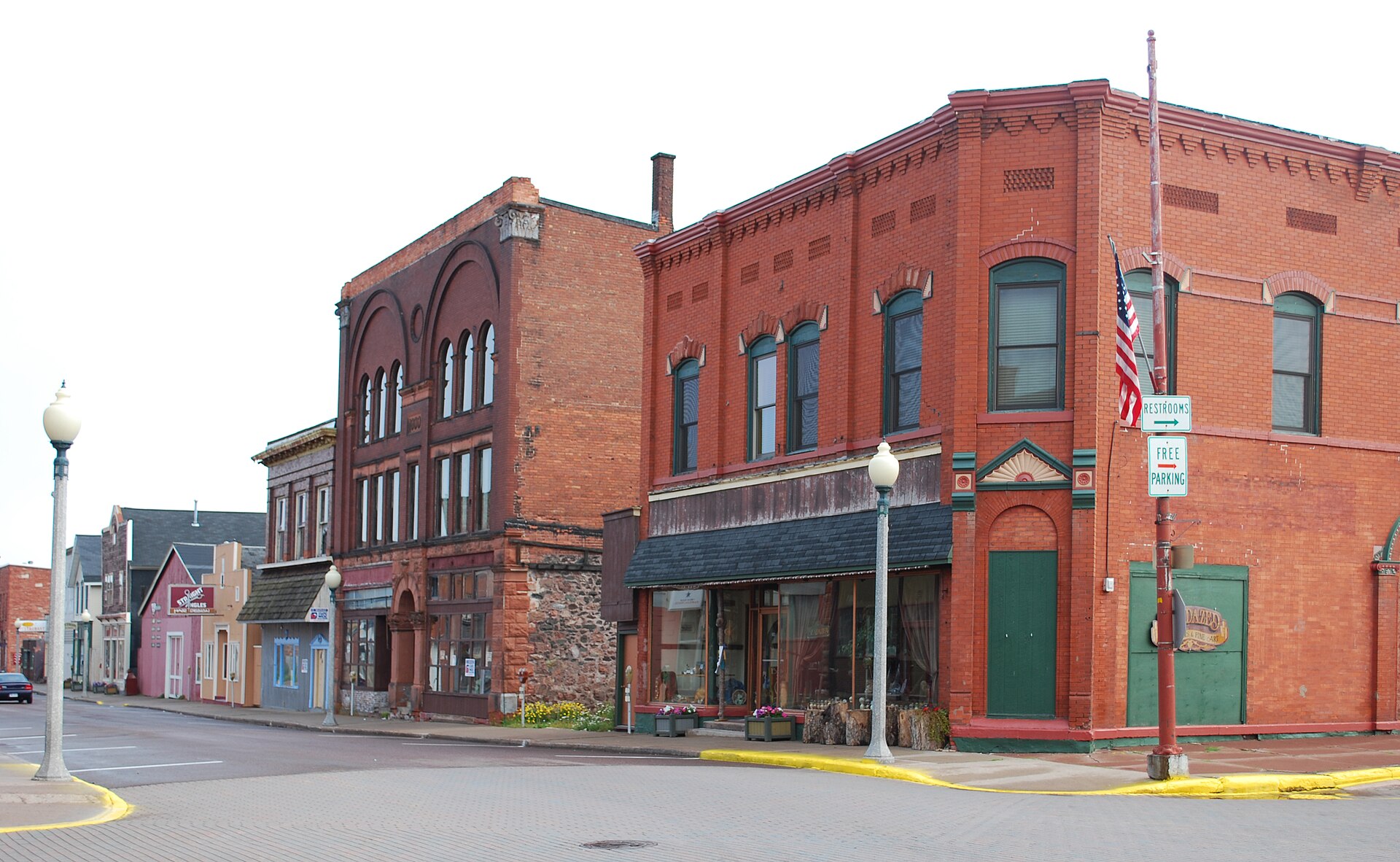
- Calumet: Once the largest city in the Upper Peninsula, Calumet was home to over 30,000 people at the height of the copper mining boom. The city's downtown area was a bustling hub of activity. Littered with grand hotels, theaters, and other businesses catering to the thriving community. Today, Calumet is a National Historic Landmark, a testament to its rich history and cultural significance. Visitors can explore the city's historic downtown area, visit the Keweenaw National Historical Park, and take a tour of the Quincy Mine.
- Houghton: As the largest city in the Keweenaw Peninsula, Houghton was once a major center for copper mining. The city is home to the Michigan Technological University, a testament to its enduring commitment to education and innovation. This includes a wonderful mineral museum the A. E. Seaman Mineral Museum. Houghton is also a popular destination for outdoor recreation, with opportunities for hiking, biking, and fishing in the surrounding area. Visitors can explore the city's historic downtown area, visit the Portage Lake Lift Bridge, and immerse themselves in the natural beauty of the region.
- Fayette: Built in the 1860s to support the iron mining industry, Fayette was a company town that thrived for several decades before being abandoned in 1891. Today, the town has been restored and is now a state park, offering visitors a unique glimpse into the past. The park features the town's ruins, including the blast furnaces, the company store, and the workers' homes. The park also offers a number of interpretive programs that teach visitors about the history of the iron mining industry. You can read more about Fayette in our detailed article all about things to do in the area HERE.
Historic Michigan Upper Peninsula Mining Towns
Central, Michigan
Central, Michigan, is a ghost town located in the Keweenaw Peninsula which was once a bustling mining town. The Central Mining Company found a profitable vein of copper here in 1854 and set up operations. At its peak, the town had over 1,200 residents, a school, post office, and a company store. However, by the late 1800s, the copper vein was exhausted, and the town was abandoned. Today, the Central Mine Historic District is a tourist attraction where visitors can explore the remaining buildings and learn about the history of copper mining in the area.
Located in the Upper Peninsula of Michigan, the Central Mine stands as a significant historical site in Keweenaw County. Opening its doors in 1854, it quickly became one of Keweenaw's most successful mines. It produced nearly 52 million pounds of copper, maintaining its operations until its closure in 1898.
The Keweenaw County Historical Society acquired 38 acres of the old Central site in 1996. Several miners' homes and buildings still stand on the site, some of which are being restored. A Visitors Center provides interpretive exhibits about the mine, the miners' families, homes, schools, and churches. The KCHS has been restoring the buildings at Central and in 2017, they began renting out an old miners house for weekly rentals to raise income to continue the restoration process.
Two hiking trails were opened in 2005, providing views of several house foundations. The site of the schoolhouse, and a magnificent view of the valley from the top of the upper rock pile. Descendants of Central mining families gather each year, on the last Sunday in July for the Central Reunion. The church, erected in 1868, closed in 1903 but is reopened each Reunion Sunday for a service of tribute to the pioneers of all faiths from all the early copper mines that dotted Keweenaw County.
The Central Mine site is open year-round, but the Visitors Center is open from mid-June through early October. The Central Mine Visitor's Center and display homes are open from mid-June to early October, with hours from 9 AM to 5 PM daily. There is no admission fee for this museum, however, a donation is appreciated.
For more detailed information, you can visit the Keweenaw County Historical Society's website.
Mandan, Michigan
Mandan, Michigan, is a small unincorporated community in Keweenaw County. The community was named after the Mandan, a Native American tribe. It was once a bustling mining town in the late 19th and early 20th centuries. The town was home to the Mandan Mine, which was in operation from 1864 to 1909. The mine was a significant copper producer during its operation.
After the mine closed, the population of the town dwindled. Today, people consider it a ghost town. Yet, you can still see remnants of its mining past, such as old buildings and mine shafts. Located in a remote area of the Keweenaw Peninsula, the town offers scenic beauty and outdoor recreational opportunities.
For more detailed information, you might want to consider visiting local historical societies or libraries, or even contacting local historians or experts in the area. They might have access to more specific historical documents or resources that can provide a more in-depth understanding of Mandan's history.
Cliff
Cliff is known for the Cliff Mine, the first profitable copper mine in the Keweenaw Peninsula. The mine operated from 1845 to 1870, and its ruins are still visible today, offering a glimpse into the area's rich mining history. The town of Cliff itself is now a ghost town, but the mine's legacy lives on. Learn more about Cliff
Delaware
Delaware is home to the Delaware Copper Mine, which operated from 1847 to 1887. Today, the mine is a popular tourist attraction, offering guided tours that take visitors 100 feet underground to explore the old mining tunnels. The town also features the Delaware Mine Museum, which showcases various artifacts from the mining era. Learn more about Delaware
Gay
Gay, Michigan, holds fame for hosting the Mohawk stamp mill ruins on the shores of Lake Superior. This mill processed copper-bearing rock from the nearby Mohawk and Wolverine mines. The town's mining history is evident in the large piles of stamp sand along the beach, a byproduct of the copper extraction process. Learn more about Gay.
Phoenix
Phoenix was once a bustling mining town due to the Phoenix Mine, which was in operation from the mid-1840s until 1905. Today, the town is a shadow of its former self, but the old mine's location is marked by the Phoenix Church, a well-preserved structure that stands as a testament to the town's past. Learn more about Phoenix
Old Victoria
Old Victoria is a historic mining town that offers a unique glimpse into the life of copper miners in the late 19th century. The town features a restored mining settlement where visitors can tour original log cabins, learn about the mining process, and even partake in a traditional Cornish pasty lunch. Learn more about Old Victoria
Republic
Republic is located in the Upper Peninsula about 30 miles west of Marquette. It is the site of the only pit mine in Michigan open to free public viewing. Standing near the pit's edge, you can see the enormous magnitude and effort involved in mining. This outdoor area is great for rock hunters, bikers, hikers, skiers, and snowmobilers, offering year-round activities. Learn more about Republic.
These towns, each with their unique mining history, offer a fascinating look into Michigan's Upper Peninsula's past. They stand as testaments to the region's rich mining heritage and the hardy people who lived and worked there. There are also countless others just like them with their own unique histories waiting to be explored in Michigan's Upper Peninsula.
Activities in Historic Mining Towns
In addition to exploring the ruins of old mines and buildings, there are a number of other things to see and do in historic mining towns. Here are a few ideas:
- Visit a mining museum: Many mining towns have museums that tell the story of the region's mining industry. These museums often have exhibits on the history of mining, the tools and equipment used by miners, and the lives of miners and their families.
- Take a mine tour: Many mining towns offer tours of old mines. These tours give visitors a chance to see firsthand what it was like to work in a mine.
- Go hiking or biking: The Upper Peninsula is home to a number of beautiful hiking and biking trails. These trails offer stunning views of the surrounding countryside and provide a great way to get some exercise.
- Go fishing or swimming: The Upper Peninsula is also home to a number of lakes and rivers. These bodies of water are perfect for fishing, swimming, and other water sports.
No matter what you choose to do, you're sure to have a memorable time in one of the historic mining towns of the Upper Peninsula.
The Rich Tapestry of Michigan's Mining Heritage
The historic mining towns of Michigan's Upper Peninsula are more than just remnants of a bygone era. They are living testaments to the resilience, determination, and spirit of the people who once called these places home. Each town, from the bustling cities of Calumet and Houghton to the ghost towns of Central and Mandan, tells a unique story of hope, struggle, and survival against the odds.
Exploring these towns is not just a journey into the past, but also an adventure that offers a wealth of experiences. Whether it's delving into the depths of a mine, hiking through beautiful trails, or simply soaking in the rich history, there's something for everyone in these historic mining towns.
As you walk the streets of these towns, you can almost hear the echoes of the miners' pickaxes striking the rock, the laughter of children playing in the streets, and the whispers of families sharing their dreams of a better future. These are the sounds of a vibrant community that, despite the passage of time, continues to live on in the hearts and minds of those who visit.
The Upper Peninsula's mining towns are just one facet of Michigan's rich and diverse history. From the shores of the Great Lakes to the bustling cities, Michigan is a state that invites exploration and promises adventure at every turn.
We encourage you to continue your journey of discovery with the Great Lakes Gleaner. Dive into our other articles and guides to uncover more fun and exciting things to do in Michigan. Whether you're a history buff, an outdoor enthusiast, or someone simply looking for a unique travel experience, the Great Lakes Gleaner is your passport to an unforgettable Michigan adventure.
So, pack your bags, and set off on a journey into the heart of Michigan's history. The historic mining towns of the Upper Peninsula.