In This Guide
Founding and Early History The Relationship with the Ottawa People Growth and Challenges Celebrating Dutch Heritage Economic and Cultural Development Preserving the EnvironmentHolland, Michigan, a picturesque city on the shores of Lake Macatawa, is renowned for its Dutch roots and strong ties to its heritage. Established in 1847 by Dutch Calvinist separatists, Holland continues to celebrate its origins through various events, attractions, and museums. This article delves into the history of Holland, Michigan, exploring its founding, growth, challenges, and the continued celebration of its Dutch heritage.
Founding and Early History
In 1847, Holland was settled by Dutch Calvinist separatists led by Dr. Albertus van Raalte. Dire economic conditions in the Netherlands and a desire for religious freedom compelled them to emigrate and settle together as a group. The settlers established their colony amidst the Ottawa (Odawa) people's Old Wing Mission Colony, near the Black River and Lake Macatawa, which connected to Lake Michigan.
The Relationship with the Ottawa People
The Dutch settlers and the Ottawa people initially struggled to coexist peacefully. Disputes over resources and the Ottawa people's mix of Catholic and Native culture led to tensions. Eventually, the Ottawa people, led by Chief Peter Waukazoo and Reverend George Smith, decided to move their community north to Northport to preserve their way of life and culture.
Growth and Challenges
In Holland's early years, Van Raalte was a spiritual, political, educational, and financial leader. In 1847, he established a congregation of the Reformed Church in America, which later became the First Reformed Church of Holland. On March 25, 1867, Holland was incorporated as a city, with Isaac Cappon as its first mayor.
One of the most significant challenges Holland faced was the Great Fire of 1871, which occurred simultaneously with the Great Chicago Fire and the deadly Peshtigo Fire in Wisconsin. Despite these hardships, Holland persevered and continued to grow and evolve.
Celebrating Dutch Heritage
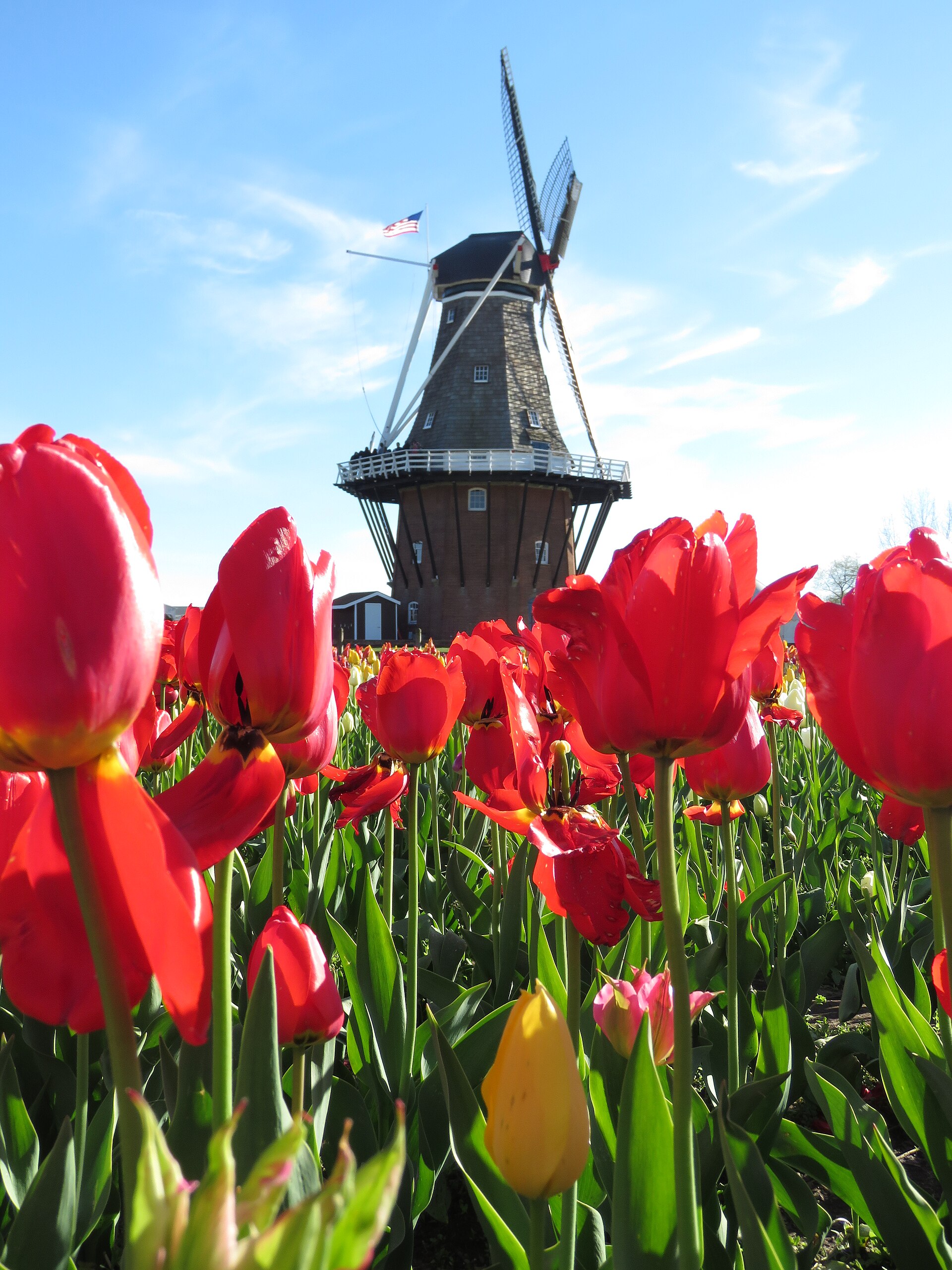
Today, Holland, Michigan, embraces its Dutch heritage through various events, attractions, and historical sites. The Tulip Time Festival, first proposed in 1927 and held for the first time in 1929, is an annual event that showcases thousands of blooming tulips throughout the city. The festival features Dutch costumes, wooden shoes, and traditional Klompen dancing, making it a unique and picturesque event.
The Holland Museum plays a significant role in preserving the city's past and imagining its future. Its vast collection of over 100,000 artifacts and archival materials tell the stories of Holland's residents, businesses, organizations, churches, and schools. The museum also houses the historic Père Marquette Caboose, a symbol of the train line connecting Chicago to Holland and beyond.
Other historical sites in Holland include the Settlers House, which offers a glimpse into the lives of early Dutch settlers, and The Pump House Museum, dedicated to preserving the history of Ottawa Beach. The city's Dutch heritage is further showcased through attractions like the Windmill Island Gardens, home to De Zwaan, a centuries-old, authentic Dutch windmill, and the Nelis' Dutch Village, a theme park that recreates a traditional Dutch village and offers an immersive experience of Dutch culture.
Economic and Cultural Development
Holland has experienced significant economic growth over the years. The city is home to several major corporations, such as Haworth, a global leader in office furniture, and Herman Miller, an innovative furniture and design company. Holland's downtown area has been revitalized through urban development projects, preserving its historical character while fostering a vibrant, modern atmosphere.
Education has been a cornerstone of Holland's development, with institutions like Hope College, a private liberal arts college founded in 1866, and Western Theological Seminary, a graduate school founded in 1866 for the Reformed Church in America, providing quality education to local and international students.
Preserving the Environment
Holland's natural beauty, with its vast shoreline and stunning parks, is cherished by residents and visitors alike. The city has prioritized environmental preservation and sustainability, evident in initiatives like the Holland Energy Park, a natural-gas-powered facility that generates electricity for the community and serves as an environmental education center.
Holland, Michigan, has come a long way since its founding by Dutch settlers in 1847. The city has successfully preserved its rich history and Dutch heritage while embracing economic, cultural, and environmental growth. From the annual Tulip Time Festival to its vibrant downtown, Holland remains a testament to the resilience and determination of its founders and the generations that followed.