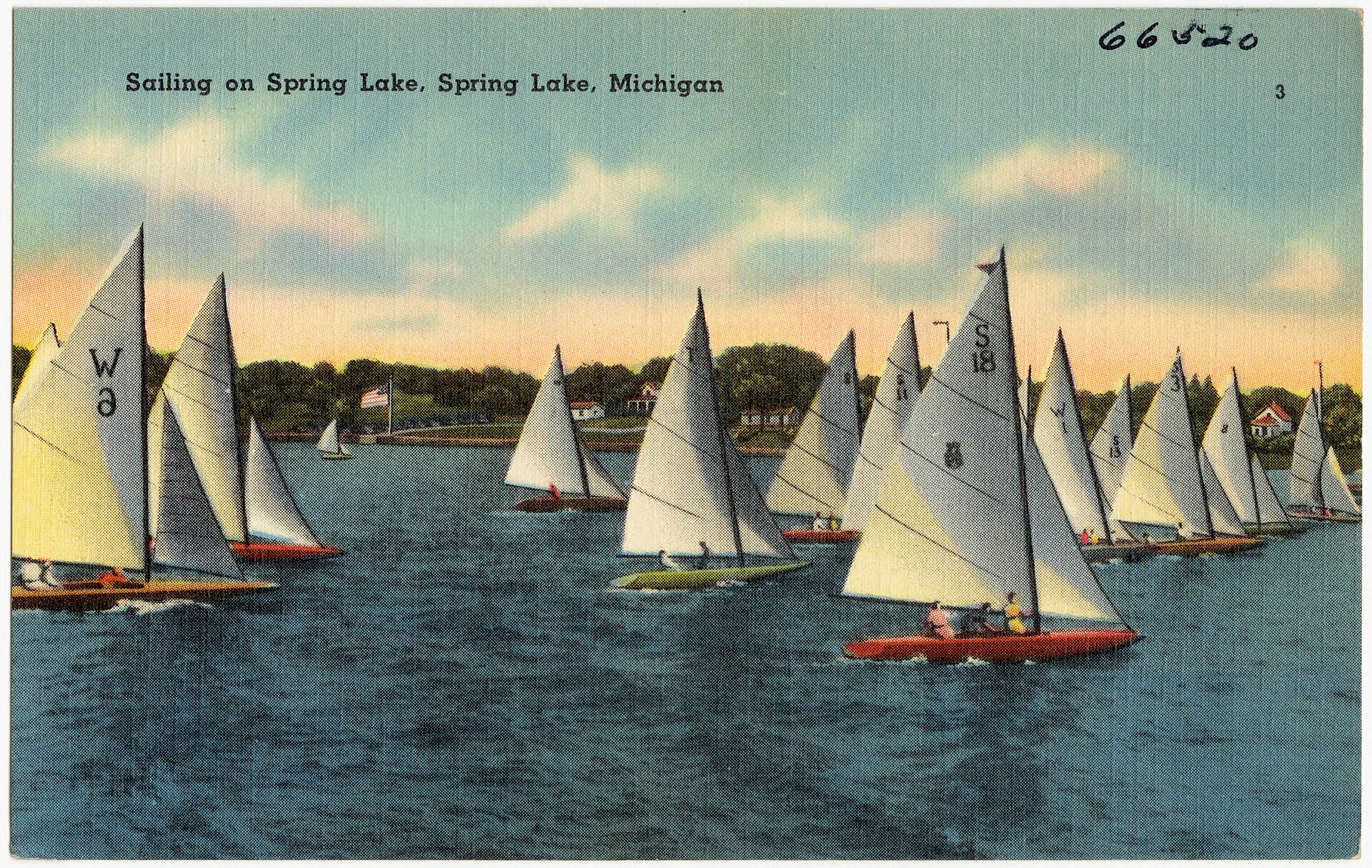
Spring Lake sits along the body of water that shares its name, just inland from Grand Haven and Lake Michigan's open shoreline, a quiet West Michigan village whose nineteenth-century origins as a lumber-mill settlement have long since given way to a considerably gentler identity built around its sheltered lake and walkable small downtown. The town's name traces back further than its recorded American settlement, rooted in local tradition tied to a natural spring that predates the sawmills and factories that would eventually define its industrial era.
From Hopkins Mill to Spring Lake
Captain Benjamin Hopkins purchased land along the lake in 1837 and built a mill there, giving the earliest settlement the practical, if uninspired, name Hopkins Mill, a designation that lasted until the community eventually adopted the more evocative Spring Lake name already attached to the water itself. Local tradition holds that the lake's name derives from a natural spring discovered by Native American inhabitants long before European settlement, a source of clean drinking water significant enough to leave its name permanently attached to the surrounding landscape regardless of who came to live beside it afterward.
Spring Lake incorporated formally in 1869, and the following decades brought a genuine lumber and manufacturing boom to the young village, with the dense forests surrounding the lake providing ample raw material for a growing collection of sawmills and factories that anchored the local economy through the latter half of the nineteenth century.
Heritage Festival and Lakeside Life
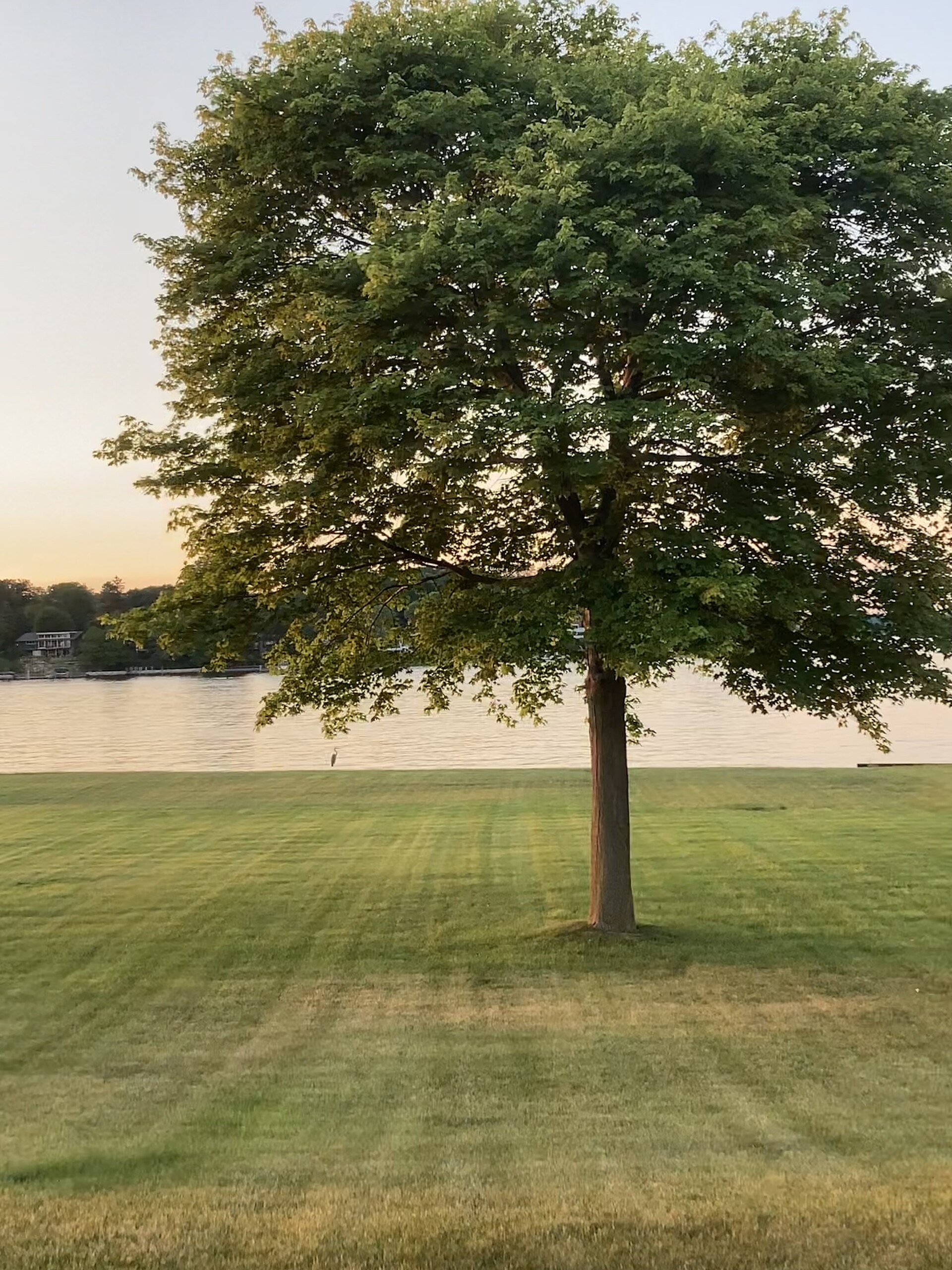
Modern Spring Lake has settled into a considerably quieter identity than its industrial-era peak, its walkable downtown and lakeside parks drawing both year-round residents and warm-weather visitors from the broader Grand Haven area just a short drive away. The village celebrates its layered history each June with the Spring Lake Heritage Festival, an annual community event that gives residents an explicit occasion to revisit the town's lumber-era roots even as its present-day economy has shifted decisively toward the kind of easygoing lakeside tourism that defines so much of West Michigan's Lake Michigan-adjacent shoreline communities.