Allegan sits along the Kalamazoo River in southwestern Michigan, a county seat whose very name is a nineteenth-century invention rather than any authentic inherited word, coined specifically to sound vaguely Native American by a historian with a documented habit of manufacturing exactly that kind of pseudo-indigenous place name across the state. Beyond that curious linguistic origin story, modern Allegan's biggest draw by far is what surrounds it rather than what sits within its city limits: fifty thousand acres of forest, wetland, and river corridor that together make up the largest state game area anywhere in Michigan.
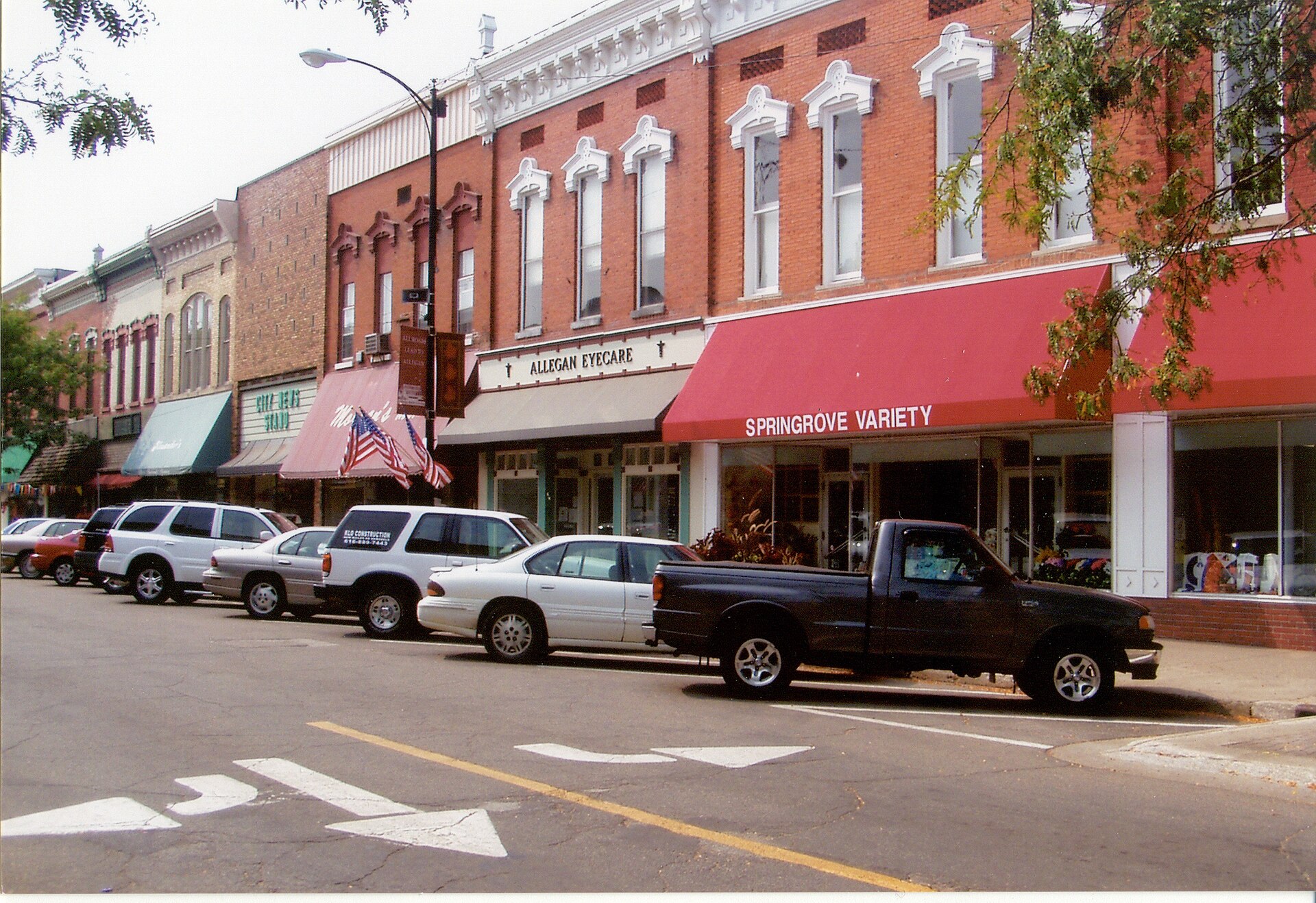
A Name Invented to Sound Native American
Michigan historian Henry Rowe Schoolcraft coined the name Allegan in 1837 as a deliberate neologism, one of dozens of similarly invented place names he assigned across the state during a period when American mapmakers and territorial officials had developed a strong stylistic preference for names that sounded indigenous, whether or not they actually derived from any real Native American language or word. Schoolcraft's practice, well documented by historians studying Michigan's naming conventions, means that a considerable number of the state's county and town names carry an air of ancient authenticity that is, on closer inspection, a manufactured nineteenth-century literary invention rather than an inherited linguistic artifact.
The actual town took shape around land patented in 1833 by a small group of investors, its downtown business district platted in 1835 and the surrounding county organized that same year, during a period of such rapid Michigan settlement that the county's population multiplied more than twentyfold within just four decades. Allegan's dense forests, ample water power along the Kalamazoo River, and useful steamboat trade routes gave the young settlement a genuinely productive economic base well before its population growth had fully caught up to its industrial ambitions.
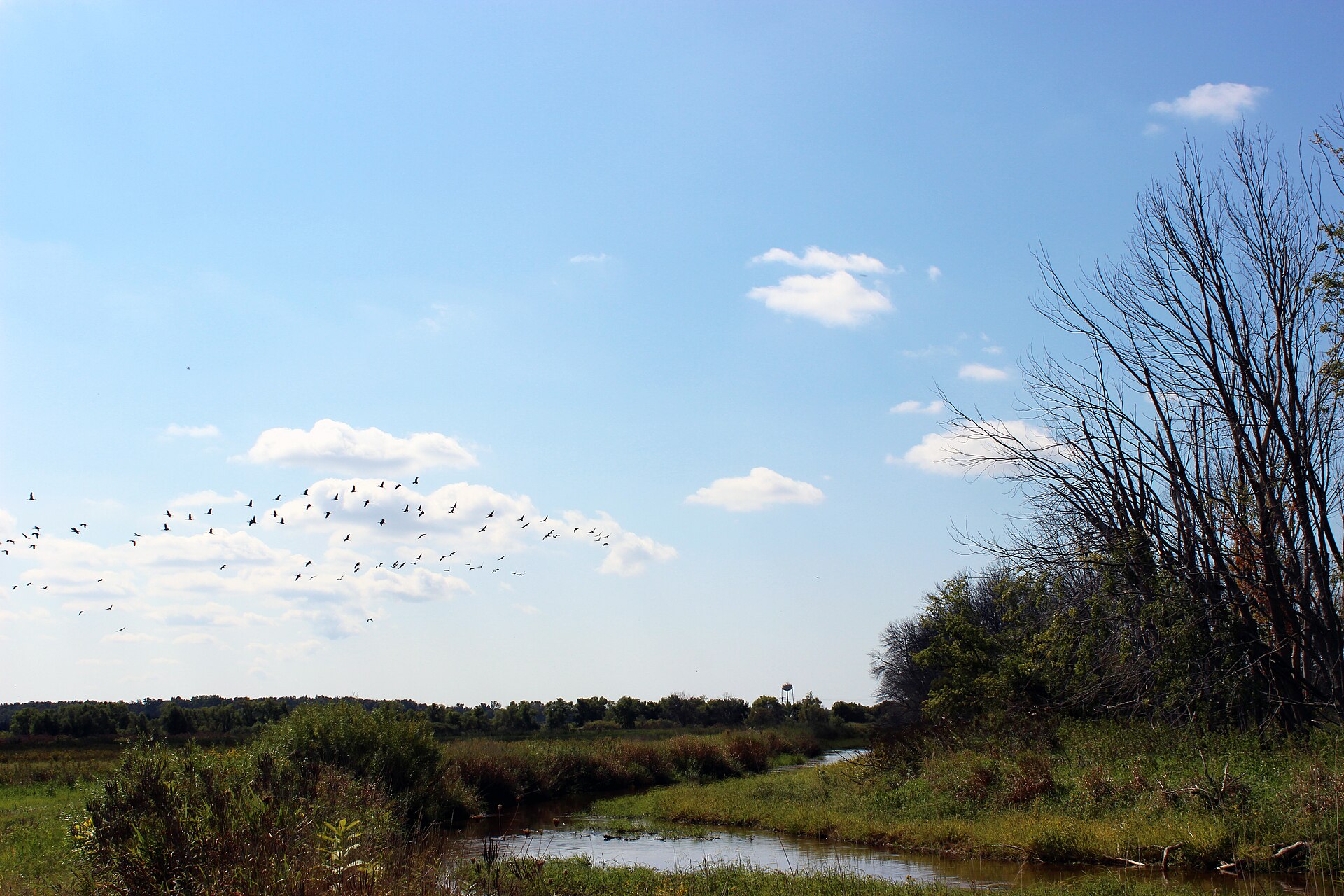
50,000 Acres at the State Game Area
The Allegan State Game Area sprawls across roughly fifty thousand acres of west-central Allegan County, a scale substantial enough to make it the single largest state game area anywhere in Michigan, its gateway sitting just west of the city of Allegan itself and its interior encompassing everything from managed wetlands to dense hardwood forest and open grassland. The property draws a genuinely broad cross-section of outdoor recreationists, including hunters pursuing the deer and waterfowl the area was originally established to manage, alongside hikers, mountain bikers, horseback riders, snowmobilers, and cross-country skiers who use the extensive trail network across every season of the year.
That scale of protected land immediately adjacent to a functioning small city gives Allegan a genuinely rare combination for southwestern Michigan: a walkable historic downtown built on real nineteenth-century industrial wealth, paired with direct access to a wilderness tract large enough to lose an entire afternoon in without ever crossing a paved road. Few Michigan county seats of Allegan's modest size can claim quite this much adjacent public land, and the game area's sheer scale has become, for many visitors, the primary reason to make the trip in the first place.