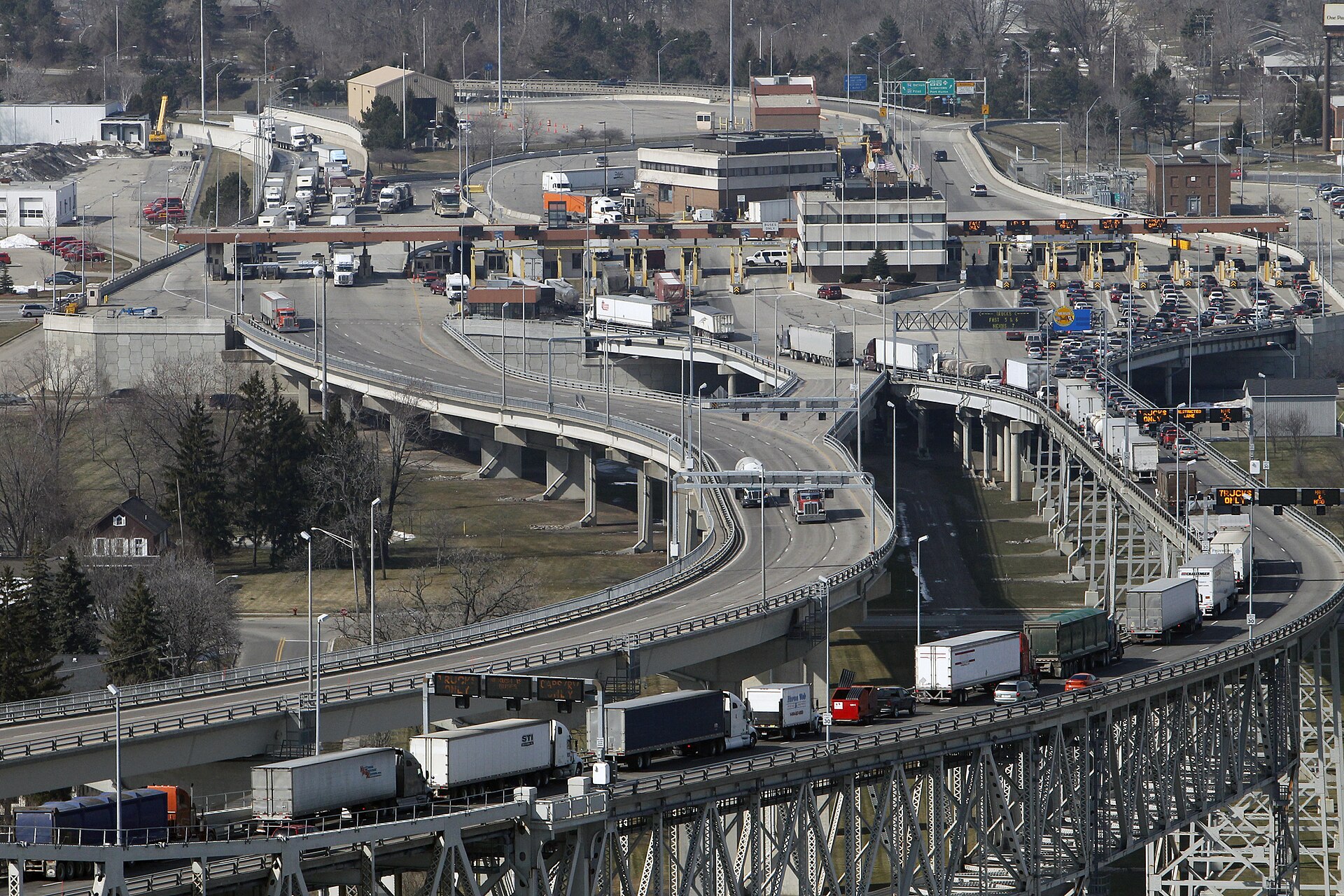
Port Huron sits at the exact point where Lake Huron narrows into the St. Clair River, a geography that made it a natural border crossing, a shipping chokepoint, and — improbably — the childhood home of Thomas Edison, who worked as a newsboy on the trains running through town before his inventions made him famous. The Blue Water Bridge, connecting Port Huron to Sarnia, Ontario, remains one of the busiest international crossings on the northern border.
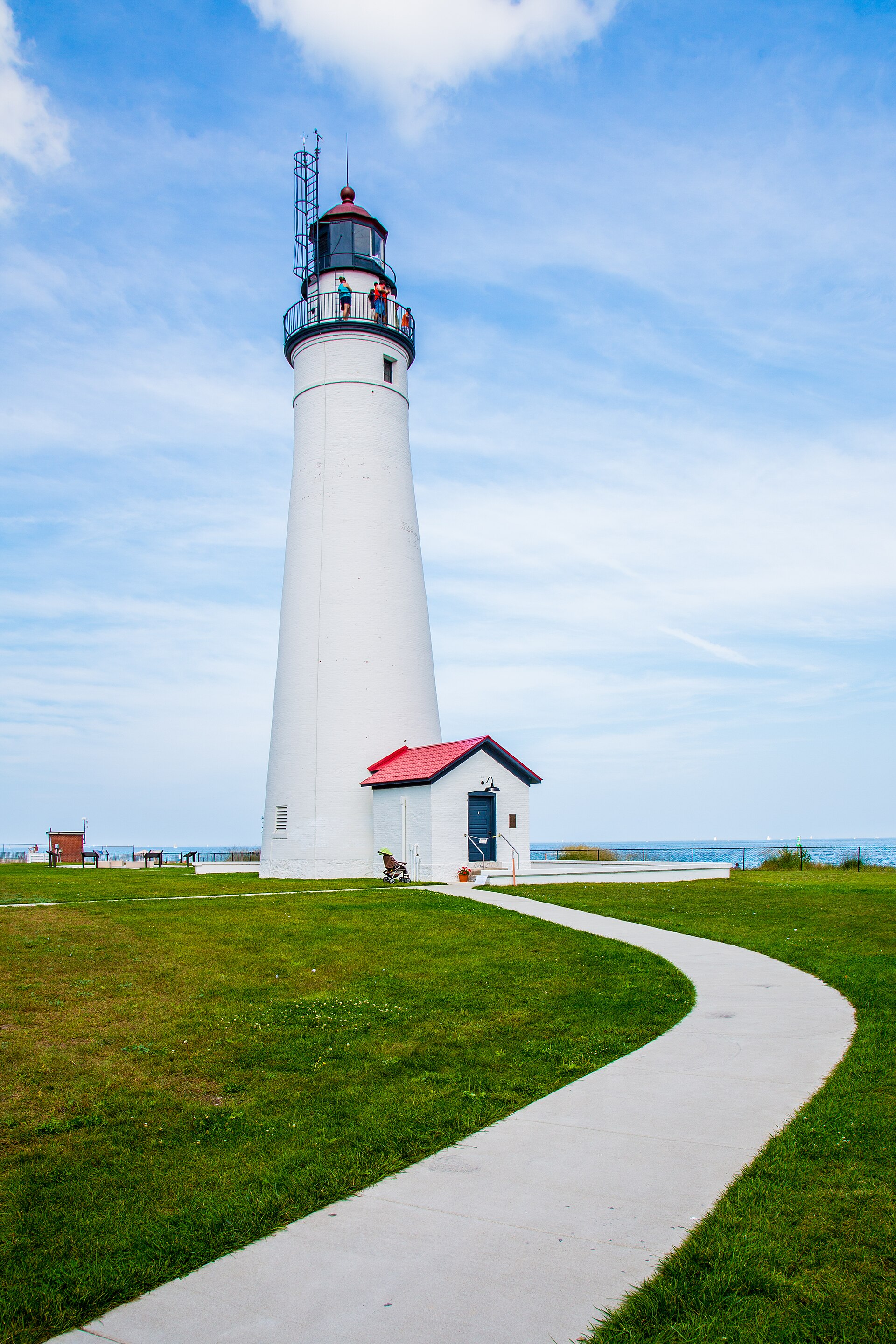
Fort Gratiot Lighthouse
Fort Gratiot Light, first built in 1825 and rebuilt in 1861 after the original tower's foundation failed, is the oldest lighthouse in Michigan and one of the oldest on the Great Lakes, its 82-foot tower still marking the entrance to the St. Clair River for vessels moving between Lake Huron and the lower lakes. The surrounding county park allows visitors to climb the tower on select tours, offering a view directly across the water to the Blue Water Bridge and Canada beyond.
Edison's Formative Years
Thomas Edison spent much of his childhood in Port Huron, working as a young telegraph operator and newspaper boy on the Grand Trunk Railway line, and a small museum inside the old railroad depot commemorates this formative period before Edison's inventions in Menlo Park made him a household name. The city's Edison connection is a modest footnote nationally but a point of significant local pride.
The Blue Water River Walk
The Blue Water River Walk follows the St. Clair River along Port Huron's downtown edge, offering close-up views of the substantial freighter traffic that continues to move between Lake Huron and Lake St. Clair, often passing within a few hundred feet of pedestrians. Every July, the Port Huron-to-Mackinac sailboat race, one of the longest annual freshwater races in the world, departs from the city's harbor, briefly filling it with hundreds of competing sailboats before they disappear north up the lake.