In This Guide
Freighter Watching on the St. Clair River Marine City: Shipbuilders and Captains Algonac: Birthplace of Modern Power Boating Harsens Island and the St. Clair Flats Planning Your St. Clair River WeekendFew places in Michigan offer a front-row seat to Great Lakes shipping quite like the lower St. Clair River, the forty-mile channel that carries the combined outflow of Lakes Superior, Michigan, and Huron toward Lake St. Clair and Detroit. Along its American bank, the small cities of Marine City and Algonac sit so close to the shipping lanes that enormous lake freighters seem to glide past within shouting distance of the boardwalk. Marine City was once a major center of wooden shipbuilding and home to generations of freighter captains, while Algonac gave the world Chris-Craft boats and the speedboat legend Gar Wood. Between and beyond them lie riverside parks, historic downtowns, and the gateway to the St. Clair Flats, the largest delta in the Great Lakes. The regional visitor bureau, now branded Discover Michigan's Thumbcoast, covers both towns along with Port Huron and the rest of the Thumb. This guide explains how to enjoy a weekend on one of Michigan's most nautical riverfronts.
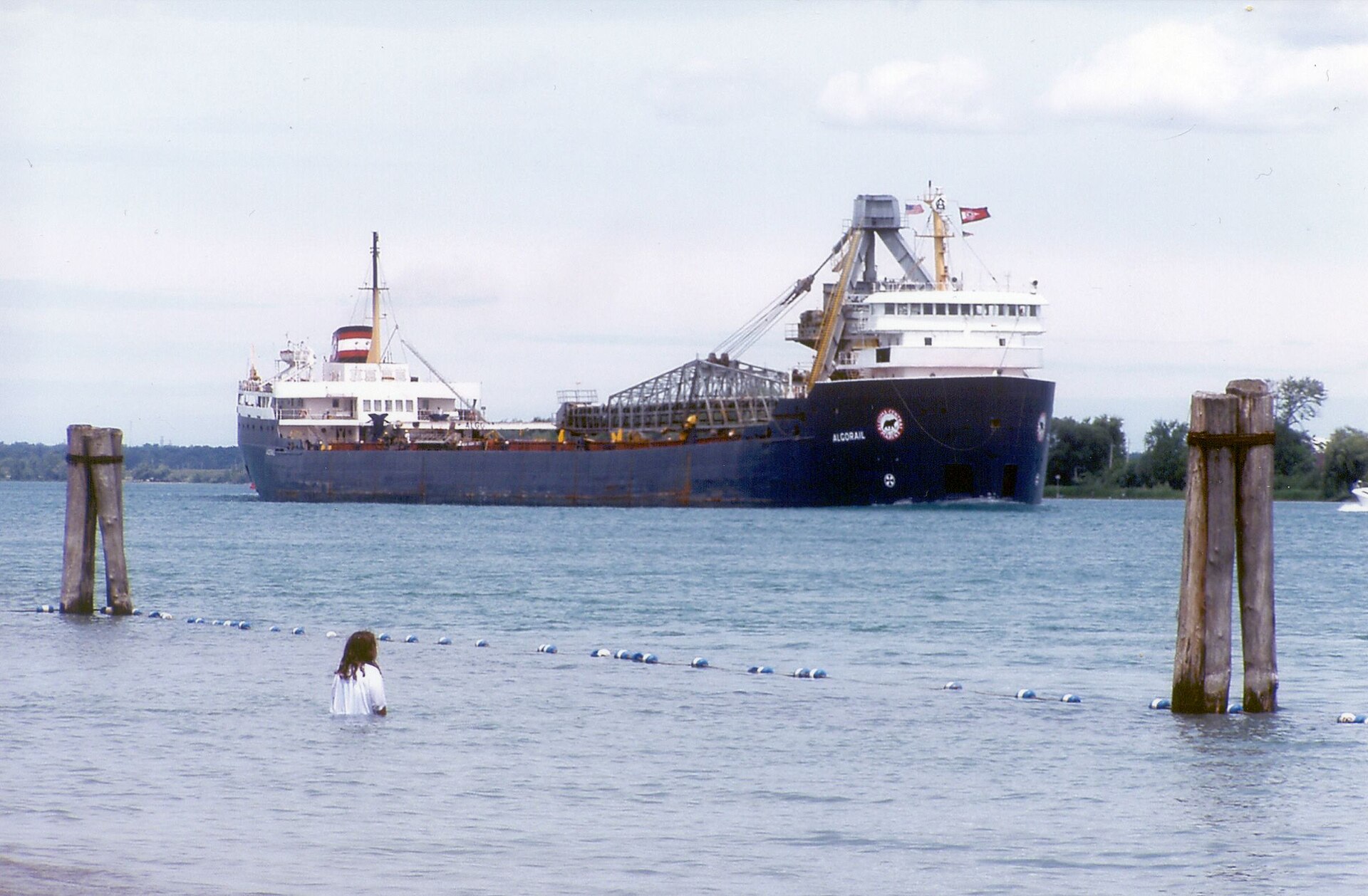
Freighter Watching on the St. Clair River
The St. Clair River is a vital link in the Great Lakes Waterway, and freighter watching is the region's signature pastime. Lake freighters carry iron ore, stone, grain, and other cargo between the upper and lower lakes, and because the river is relatively narrow, the ships pass remarkably close to shore. Enthusiasts track vessels with resources such as BoatNerd, which follows Great Lakes shipping news and fleet histories, so they can be on the riverbank when a favorite ship rounds the bend. The river drops only about five feet over its roughly forty-mile length, yet it moves an enormous volume of water, averaging around 182,000 cubic feet per second. That powerful current gives the water a clear, fast-moving, blue-green character that is mesmerizing to watch. Bring a folding chair, binoculars, and patience, and you may see several ships pass in a single afternoon.
In Algonac, the riverfront park and boardwalk downtown offer benches and lawns right at the water's edge, with the city describing about a half-mile of boardwalk along the river in its community overview. North of town, Algonac State Park offers about half a mile of river frontage where passing freighters are a highlight for campers and day visitors alike. The park was established in 1937 and today covers about 1,550 acres, much of it undeveloped lake plain prairie and oak savanna, habitats that shelter more than twenty plant, bird, and butterfly species classified by the state as endangered, threatened, or of special concern. Trails wind through these open grasslands, which are rare in Michigan and lovely in summer. Shoreline anglers fish for walleye from the riverbank. A night in the campground, with ship horns echoing across the water, is a uniquely Great Lakes experience.
Marine City: Shipbuilders and Captains
Marine City began as a French farming settlement with long, narrow riverfront lots, was platted by Americans as Newport in the 1830s, and incorporated as the Village of Marine City in 1865, a name that honored its maritime economy. In the second half of the nineteenth century its shipyards built many of the wooden vessels that crossed the Great Lakes, and rafts of lumber floated down the river to be milled in town. As the lumber era faded, Marine City became known as the river town where lake freighter captains made their homes, many of them working for the Pittsburgh Steamship Company, the U.S. Steel fleet that became the largest commercial fleet on the Great Lakes. Their Victorian homes still line the streets, including the Queen Anne-style Heather House, completed in 1885 for a chief engineer of the Mitchell fleet and long operated as a bed-and-breakfast. The Visit Marine City guide points visitors toward the Pride and Heritage Museum, whose collections preserve the town's shipbuilding and seafaring past. A walk along the riverfront and through the old neighborhoods reveals a town shaped entirely by the water.
Downtown Marine City has reinvented itself as a destination for antiques and live theater. The Snug Theatre, with seating for up to 98, presents affordable live performances and hosts youth performing arts programs, while its sister venue, the Riverbank Theatre, occupies the historic Marine Savings Bank building and seats about 179 for a full season of musicals and plays. The restored Mariner Theater hosts special events and screenings. Antique shops and restaurants fill storefronts along Water Street, several with river views. In summer, the city's Maritime Days festival brings a lighted boat parade, fireworks, and a street parade; in 2026 organizers moved it from early August to Father's Day weekend in June. Check the dates before planning around it, since the festival calendar has shifted in recent years.
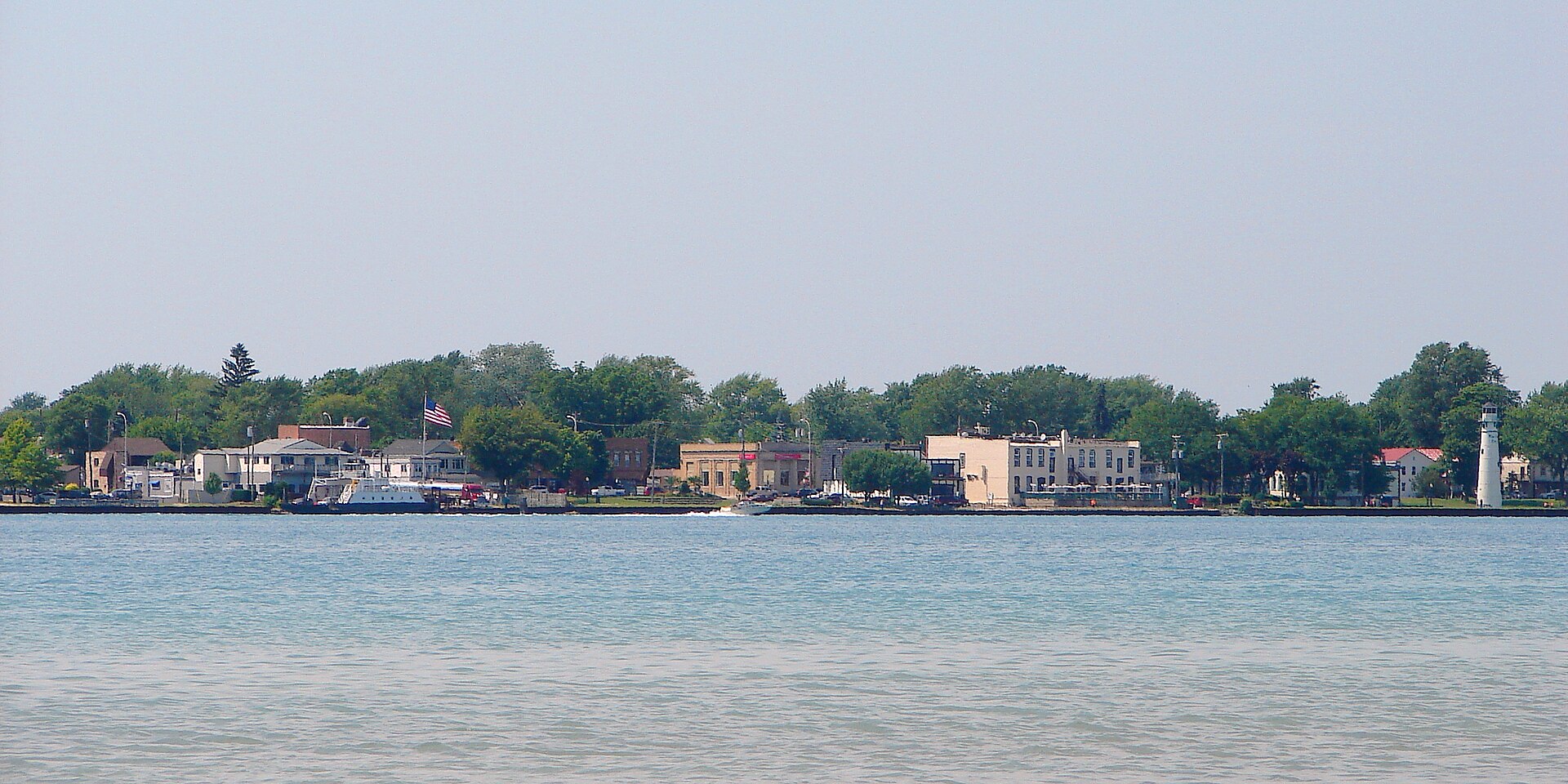
Algonac: Birthplace of Modern Power Boating
About ten miles downstream, Algonac occupies the point where the river begins to fan into its delta, a setting so laced with canals that the city is nicknamed the Venice of Michigan. Settled in 1805 and given its present name by Henry Schoolcraft in 1843, Algonac grew on lumber, shipping, and maritime trades, and it holds the state's lowest-numbered ZIP code, 48001. Its greatest claim to fame is boating: Christopher Columbus Smith built his first wooden boat in 1874 at age thirteen, and the company that became Chris-Craft pioneered assembly-line production of pleasure boats at its Algonac plant in the late 1920s. Affordable runabouts sold on installment plans helped bring powerboating within reach of the American middle class. That legacy has earned Algonac its reputation as the birthplace of modern power boating. Few small towns can claim to have changed how an entire nation spends its summer weekends.
The other giant of Algonac's boating story is Gar Wood, an inventor and industrialist who kept a home in Algonac and became the first person to travel more than a hundred miles per hour on water. His Miss America racing boats broke the world water speed record repeatedly, raising it to 125 miles per hour in 1932 on the St. Clair River itself, and he won the Harmsworth Trophy nine times. Both men's legacies are celebrated at the Algonac-Clay Township Maritime Museum, whose displays include locally built boats and replicas, as featured in a Scripps News report on Algonac's boating heritage. The city's two history museums, one devoted to local history and one to maritime history, have traditionally opened on weekends from May through October. Each summer around the Fourth of July, the long-running Algonac Lions Pickerel Tournament fills the riverfront with fishing contests, a midway, a car show, music, and fireworks. It is the town's biggest party and a joyous celebration of river life.
Harsens Island and the St. Clair Flats
South of Algonac, the river splits into the North, Middle, and South channels and spreads into the St. Clair Flats, a delta of marshes, islands, and canals covering roughly 140 square miles, the largest delta in the Great Lakes system. Harsens Island, the largest of the American islands, is reached by a short car ferry from Clay Township just west of Algonac, and its year-round population of roughly 1,200 swells several times over in summer. Its history is unusually tangled: ownership of the delta islands was disputed by Britain and the United States after the Revolution until an 1822 boundary commission placed Harsens Island on the American side. M-154, a short state highway that runs entirely on the island, is one of Michigan's quirkier trunklines, as Michigan Highways documents. Exploring the island by car or bicycle reveals canals lined with boathouses and wide marsh vistas. Bring binoculars, because the flats are a magnet for waterfowl and other birds.
Navigation through the delta has challenged mariners for nearly two centuries. In the 1850s, Congress overrode presidential vetoes to fund a dredged channel through the flats, and the St. Clair Flats Range Lights were completed at its mouth by 1859 to guide ships through. A new ship channel opened in 1870, but the old range lights still stand off the southeastern tip of Harsens Island, visible to boaters on Lake St. Clair. Boaters flock to the flats in summer, anchoring in sheltered bays and cruising the channels, and the area is renowned among anglers and waterfowl hunters. Those without their own boats can still savor the scenery from the ferry crossing and the waterfront. Beyond the delta, Lake St. Clair connects the region to Detroit's lakeshore suburbs, making the flats a summer playground for the entire metro area.
Planning Your St. Clair River Weekend
Marine City and Algonac both lie along M-29, which follows the river through town, making it easy to combine a visit with Port Huron and its lighthouses farther north. The two towns are about an hour from downtown Detroit, close enough for a day trip but rich enough for a weekend. Cyclists and walkers can follow segments of the Bridge to Bay Trail, which links riverfront communities across St. Clair County, including a riverwalk route in Algonac. Note that the car ferry that once crossed from Marine City to Sombra, Ontario, has not operated since ice damaged its causeway in 2018, as Wikipedia's account of the Bluewater Ferry explains, so international travelers should plan to cross at Port Huron's Blue Water Bridge. A separate ferry from Algonac to Walpole Island in Ontario has its own schedule and requirements, so confirm its status before planning a crossing. Always carry the documents required for re-entry to the United States.
Lodging includes historic inns and bed-and-breakfasts, motels, and the Algonac State Park campground, while Port Huron offers a wider selection of hotels. Summer weekends are lively, with boaters filling the riverfronts and restaurants busy into the evening, while spring and fall bring quieter streets and excellent freighter watching. Thumbcoast's Marine City page and its Clay Township and Algonac page list attractions, dining, and lodging for each community. Pack binoculars, a camera with a good zoom lens, and a willingness to linger, because the river's best moments arrive on their own schedule. When a freighter's horn sounds across the water and the whole riverfront turns to watch, you will understand why these towns have always looked to the river. Our Detroit Riverwalk and Belle Isle guide continues the story downstream.