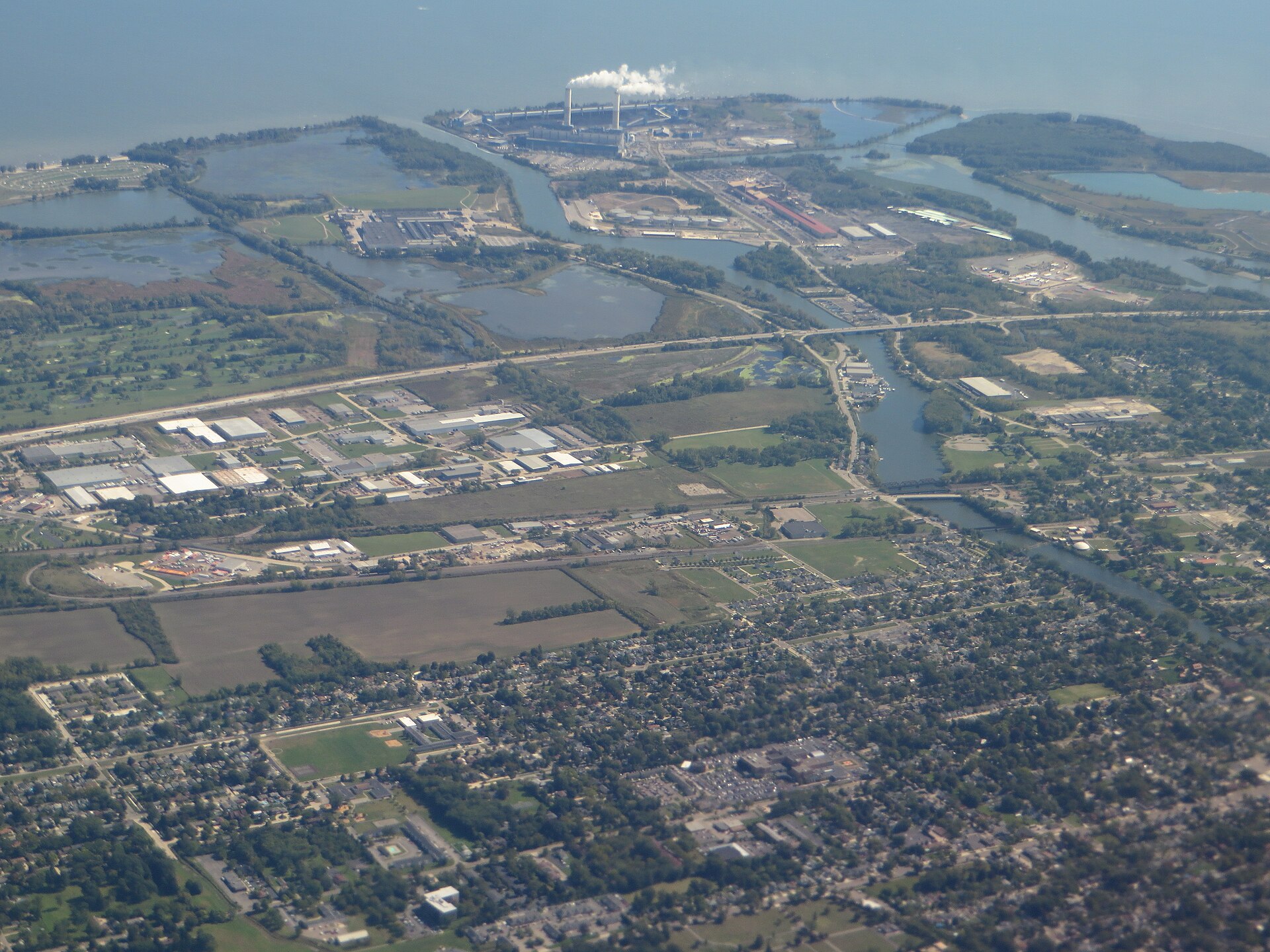
Monroe sits at the mouth of the River Raisin on Lake Erie, roughly midway between Detroit and Toledo, a city whose two defining historical chapters, a devastating War of 1812 battle and a young cavalry officer's brief civilian interlude before the Civil War made him famous, both center on the same modest river that gives the town its name.
Remember the River Raisin
The River Raisin Massacre of January 22, 1813, in which forces allied with Britain killed American troops under General James Winchester following the Battle of Frenchtown, became one of the defining atrocities of the entire War of 1812, and "Remember the River Raisin" quickly spread as a rallying cry for American soldiers and settlers across the frontier for the remainder of the conflict. The scale and brutality of the massacre made it a genuinely formative event in the broader war's American memory, invoked specifically to steel resolve against British and allied Native forces in the fighting that followed.
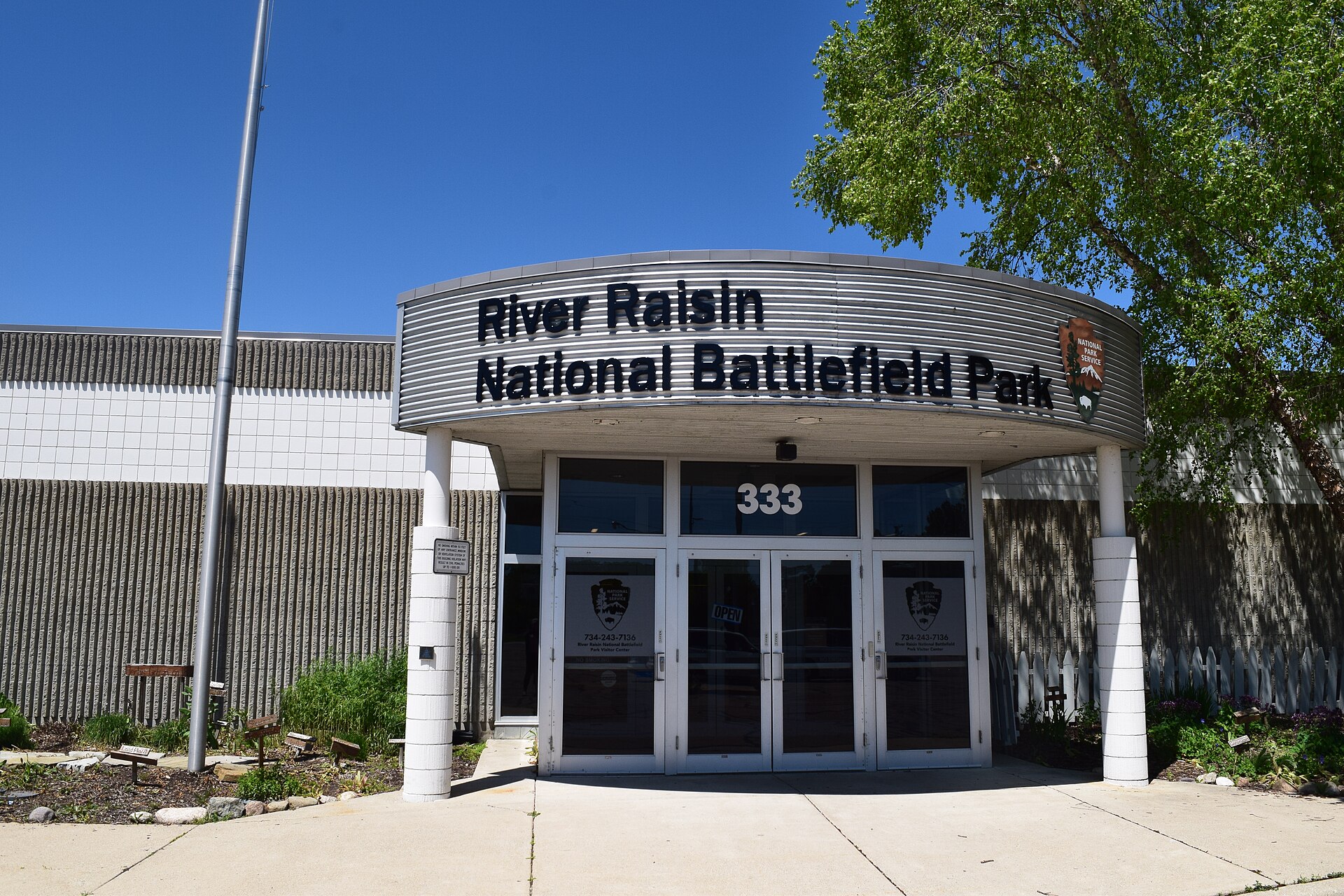
The River Raisin National Battlefield Park now preserves the site of the January 1813 battle, and its designation carries genuine historical weight beyond the local area: it stands as the only national battlefield park anywhere in the country specifically dedicated to a site from the War of 1812, giving Monroe a uniquely significant piece of early American military history that most visitors do not associate with southeastern Michigan at all.
General Custer's Hometown
George Armstrong Custer, decades before his famous and fatal last stand at the Little Bighorn, spent formative civilian years in Monroe, purchasing a 116-acre French ribbon farm along the River Raisin together with his brother Nevin and their wives in August 1871, a stretch of riverside land that ran northward from the water in the narrow, elongated survey pattern typical of the region's earliest French settlement. Custer married Elizabeth "Libby" Bacon at Monroe's Presbyterian Church on the town square, a Monroe ceremony that tied the future cavalry officer permanently to the city even though his military career would eventually take him far from southeastern Michigan.
That Custer connection remains a genuine point of local historical interest in Monroe today, commemorated through markers and preserved sites around town that sit only a short distance from the War of 1812 battlefield park, giving visitors interested in nineteenth-century American military history two substantially different conflicts to explore within the same compact riverside city.