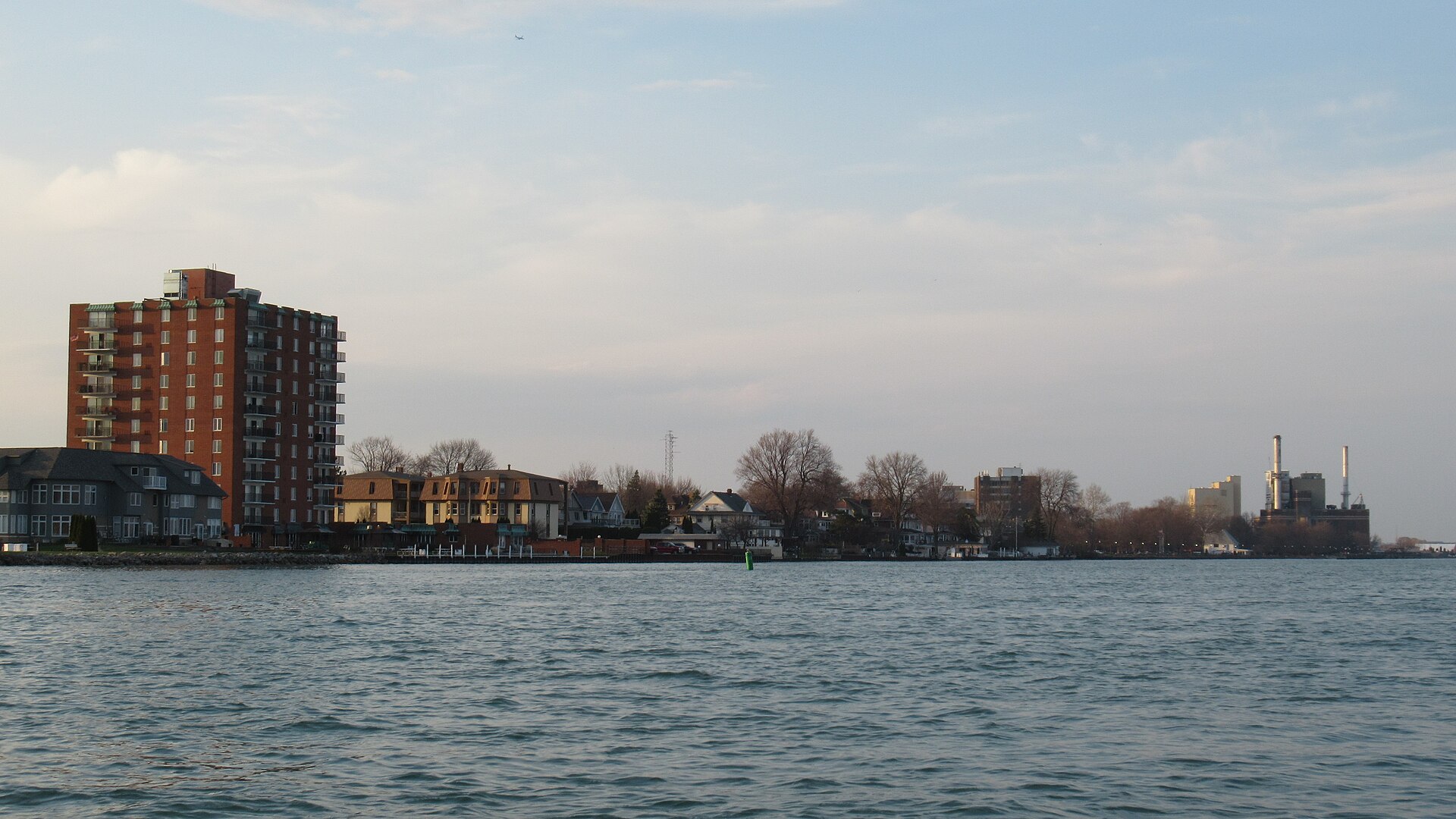
Wyandotte sits along the Detroit River just south of Detroit proper, a Downriver community whose entire modern industrial identity traces back to one of Michigan's largest underground salt deposits, a geological feature that turned this stretch of riverfront into a genuine chemical industry powerhouse for well over a century.
Salt Beneath the Streets
Chemical production in Wyandotte dates back to the late nineteenth century, when companies began manufacturing soda ash and related products from the salt deposits lying beneath the town, a resource significant enough that the surrounding region became one of Michigan's most concentrated centers of industrial chemical production. Two early companies, J.B. Ford and Michigan Alkali, dominated that industry for decades before formally consolidating in 1943 to form the Wyandotte Chemicals Company, unifying what had been competing local chemical operations under a single corporate banner.
That consolidated company attracted international attention in 1969, when BASF Corporation, the German multinational chemical giant, acquired ninety-eight percent of Wyandotte Chemicals' shares, a transaction that represented, at the time, the largest single investment any German company had ever made in the United States. BASF has maintained a significant manufacturing presence in Wyandotte ever since, giving this modest Downriver community a genuinely international corporate connection stretching back more than half a century.
A Waterfront Beyond the Factories
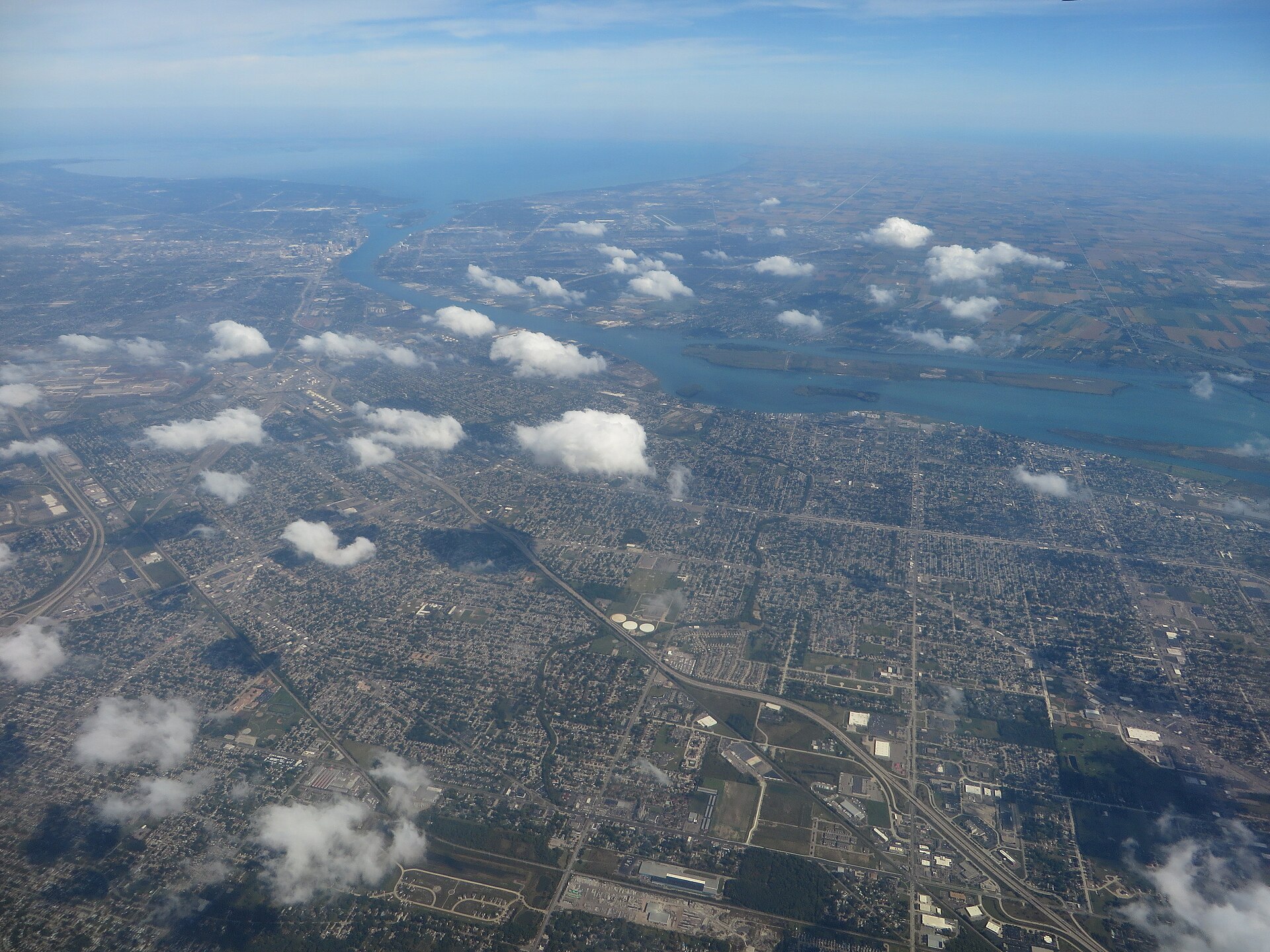
Despite its heavy industrial legacy, Wyandotte has cultivated a genuinely pleasant public waterfront along the Detroit River, with parks and recreational access giving residents and visitors river views considerably more inviting than the chemical plants that built the town's economy might suggest. That combination, a serious, internationally connected industrial base paired with a walkable, waterfront-oriented downtown, gives Wyandotte a character distinct from many of its more purely residential Downriver neighbors, a town that never tried to hide the industry that built it while still investing genuinely in the public spaces along its own riverfront.