Dearborn holds a genuinely unusual dual distinction among American cities: it is both the birthplace and lifelong home of Henry Ford, whose namesake company still maintains its global headquarters here, and, separately, home to one of the largest and most concentrated Arab American populations of any city in the United States, a demographic reality that has given Dearborn a cultural richness considerably more layered than its automotive-company-town reputation alone would suggest to visitors expecting a single-industry suburb.
Ford's Own Backyard
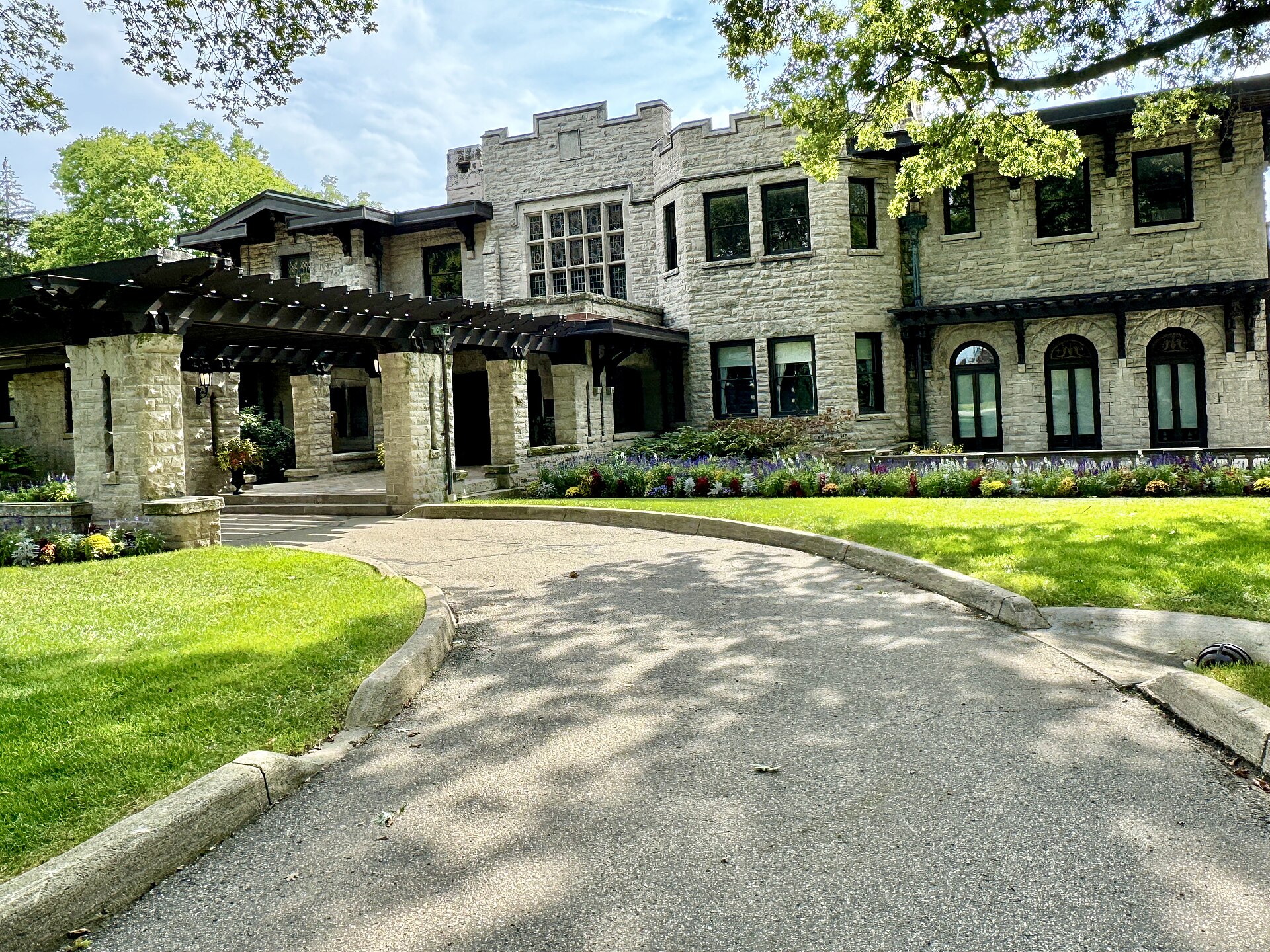
Henry Ford was born on a farm within what are now Dearborn's city limits, and he never strayed far from the area for the rest of his life, eventually building Fair Lane, an expansive estate along the Rouge River, as his primary residence and filling the surrounding property with the same restless engineering curiosity that defined his automotive career, including a private hydroelectric plant and laboratory buildings where he pursued side interests ranging from rubber cultivation to nutrition science. Fair Lane's grounds and portions of the house are open for public tours, offering a considerably more personal and domestic look at Ford than the industrial history covered at the nearby Henry Ford Museum and Greenfield Village complex, which Ford also founded and which remains, separately, one of the most significant history museums in the country.
Ford Motor Company's World Headquarters, a distinctive glass tower generally known simply as 'the Glass House,' still anchors Dearborn's identity as a genuine corporate company town, one of the relatively few American cities where a single founding family's industrial legacy remains this thoroughly woven into the physical and cultural landscape more than a century after that company's founding.
The Arab American National Museum
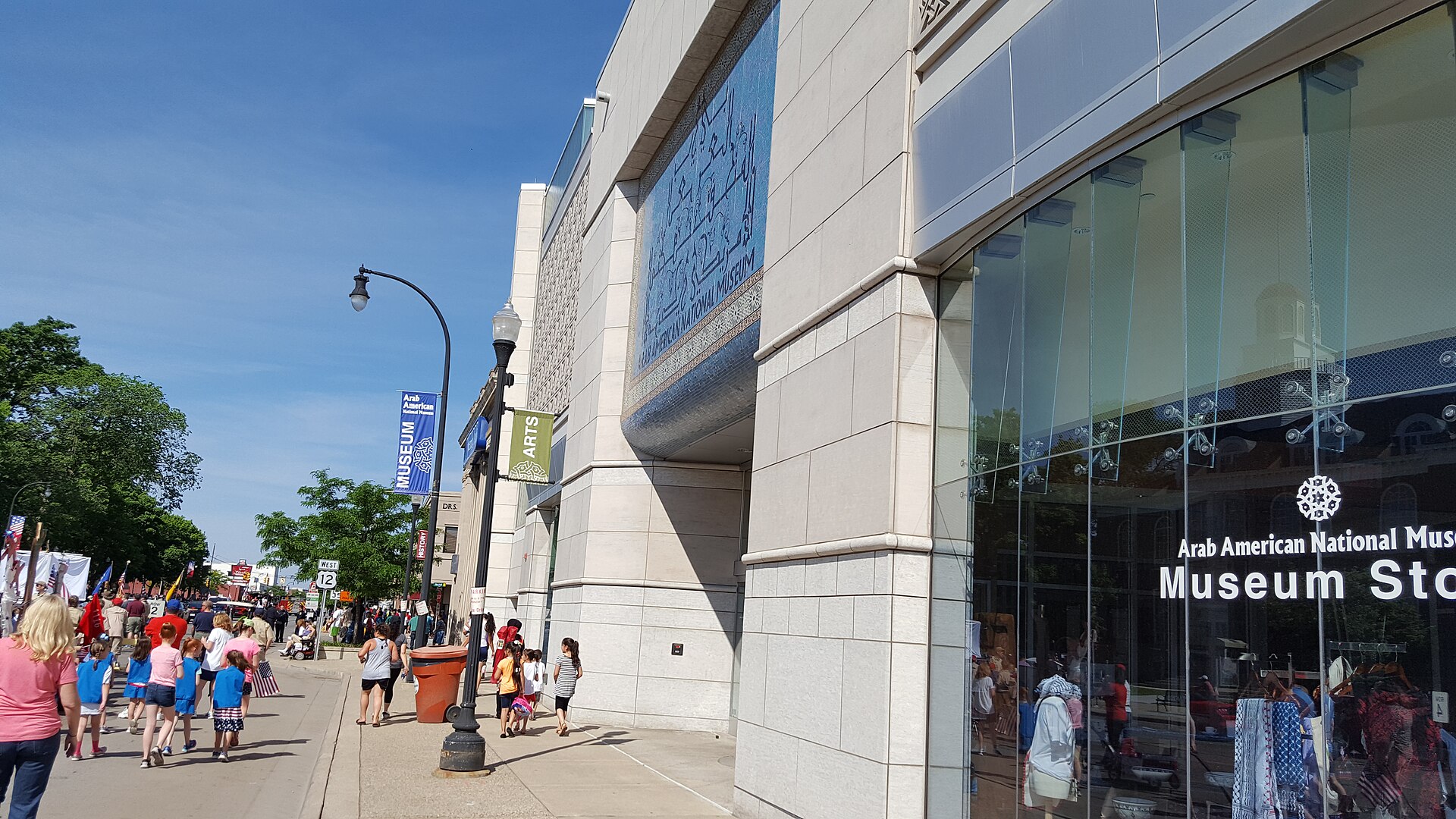
Dearborn's Southend and adjacent neighborhoods have been home to significant Arab immigration since the early twentieth century, drawn originally by manufacturing jobs at Ford's massive Rouge Plant, and that community has grown over the following century into one of the largest concentrations of Arab Americans anywhere in the country, a demographic reality reflected in a Warren Avenue and Michigan Avenue commercial corridor filled with Middle Eastern bakeries, restaurants, and grocers that collectively represent one of the most significant Arab American commercial districts in the United States. The Arab American National Museum, the first museum in the country dedicated specifically to Arab American history and culture, opened in Dearborn in 2005 specifically because of this concentrated community, and its exhibits trace both the immigrant experience broadly and the specific contributions of Arab Americans to American civic, cultural, and scientific life.
Visiting Dearborn's Arab American restaurant corridor has become, for many Detroit-area food enthusiasts, a genuinely essential culinary destination in its own right, offering a depth and authenticity of Middle Eastern cuisine that reflects a community that has been rooted here for well over a century rather than a recent culinary trend.