Rockford sits along the Rogue River roughly ten miles north of Grand Rapids, a distance close enough that the town functions today as something between an independent small city and a genuinely upscale extension of the larger metro area's suburban ring, while still retaining a walkable historic downtown built directly around the same river that first drew settlers to the site. What began in 1845 as a modest sawmill settlement called Laphamville has since become the enduring home of one of Michigan's more recognizable manufacturing names, a corporate hometown story spanning well over a century without the company ever actually leaving town.
From Laphamville to Rockford
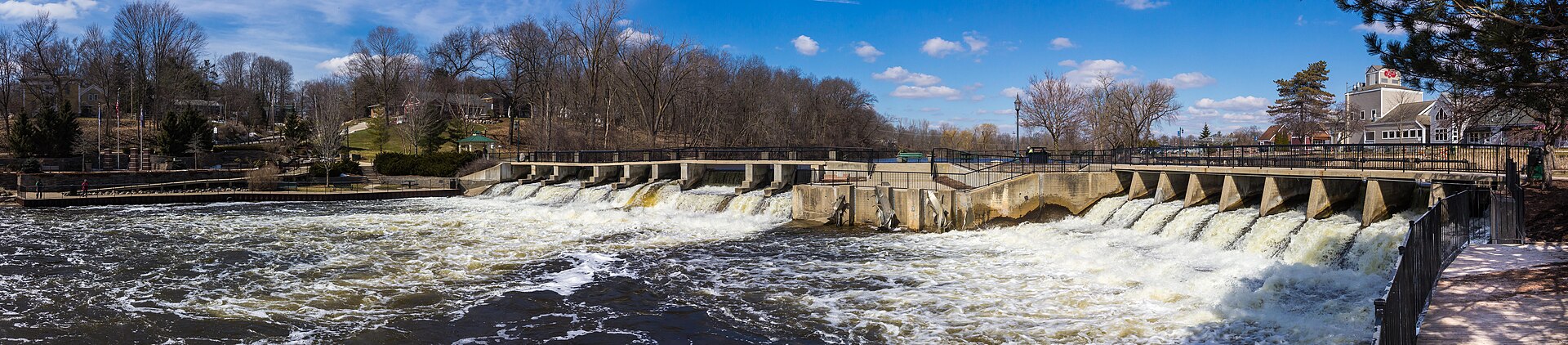
Settler Marlin Hunter arrived along the banks of the Rogue River in 1842, and it was his relative William Hunter who began work on a dam and sawmill that Smith Lapham, arriving from elsewhere in Kent County the following year, helped complete, giving the growing settlement its original name of Laphamville in honor of the Lapham family's role in getting the community's founding industry up and running. Additional families arrived steadily through the mid-1840s, and the settlement received its own post office under the Laphamville name before the community was formally platted in 1865 and incorporated as a village the following year, at which point residents opted for the more geographically descriptive name Rockford instead.
The Rogue River itself, a forty-eight-mile waterway whose name derives from a printing error that altered its original French "Rouge" designation sometime during the nineteenth century, provided the water power that sustained Rockford's earliest lumber-based economy before the town's industrial base diversified into a shoe factory and tannery around the turn of the twentieth century, setting up the very specific manufacturing identity the town would eventually become known for nationally.
The Shoe Company That Never Left
Wolverine World Wide has been headquartered in Rockford for more than one hundred forty years, a corporate tenure remarkable enough on its own that the company's continued presence has shaped the town's downtown investment and civic identity across multiple generations of ownership and brand expansion, its portfolio eventually growing to include Merrell, Saucony, and numerous other recognizable footwear labels manufactured and marketed under the same Rockford-based corporate roof. A recent multimillion-dollar renovation and expansion of the company's global headquarters campus, including a reimagined space now serving as home base for its largest brands, has reinforced Rockford's continued relevance as a genuine corporate hometown rather than a relic of an earlier manufacturing era the company has since outgrown and abandoned.
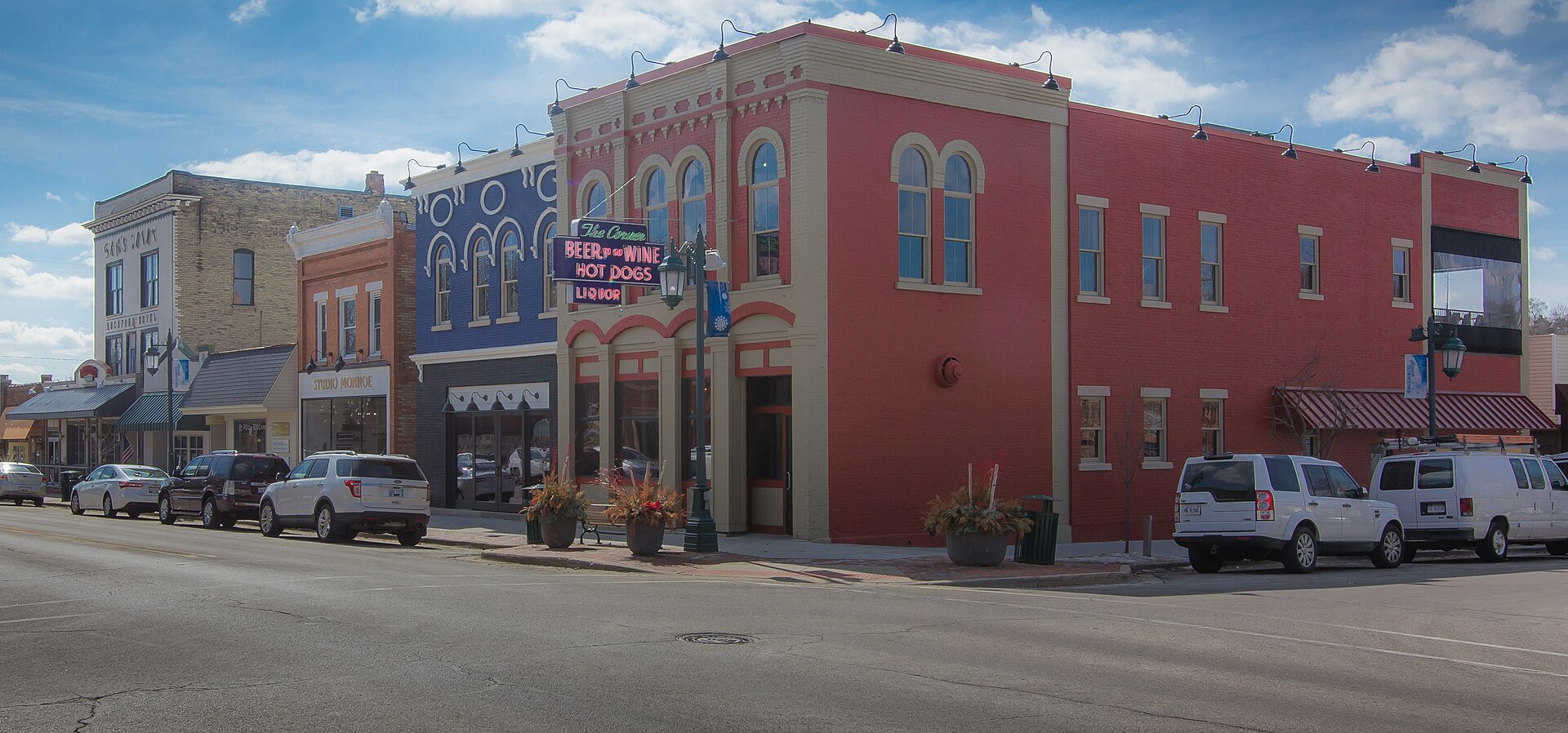
Downtown Rockford has leaned into its river setting with a walkable strip of shops and restaurants clustered around the old dam site, where the Rogue River's modest rapids remain visible right in the center of town, giving visitors a continuous, tangible link between the water that powered the original sawmill and the pleasant small-city downtown that eventually grew up around it. The combination of genuine corporate substance and an unpretentious small-town main street gives Rockford a rare kind of stability among West Michigan communities, neither purely a bedroom suburb of Grand Rapids nor a town whose signature industry quietly slipped away decades ago.