In This Guide
Fort Wilkins and the Copper Harbor Light Going Underground at the Delaware Mine Estivant Pines The Mountain Bike Trails Brockway Mountain and the VillageCopper Harbor is the last town on the Keweenaw Peninsula and very nearly the last town in Michigan — US-41 ends here, several hundred miles and one long peninsula removed from anything resembling a city. What that isolation has produced is a village of a few dozen year-round residents supporting a genuinely improbable density of attractions: a preserved 1840s military fort, an 1866 lighthouse reachable only by boat, a copper mine visitors descend into, a 570-acre sanctuary of three-hundred-year-old white pines, and a mountain bike trail system rated among the best in the world. Everything below sits within a thirty-to-forty-five minute radius, most of it much closer, and a visitor can fill a week without repeating a day.
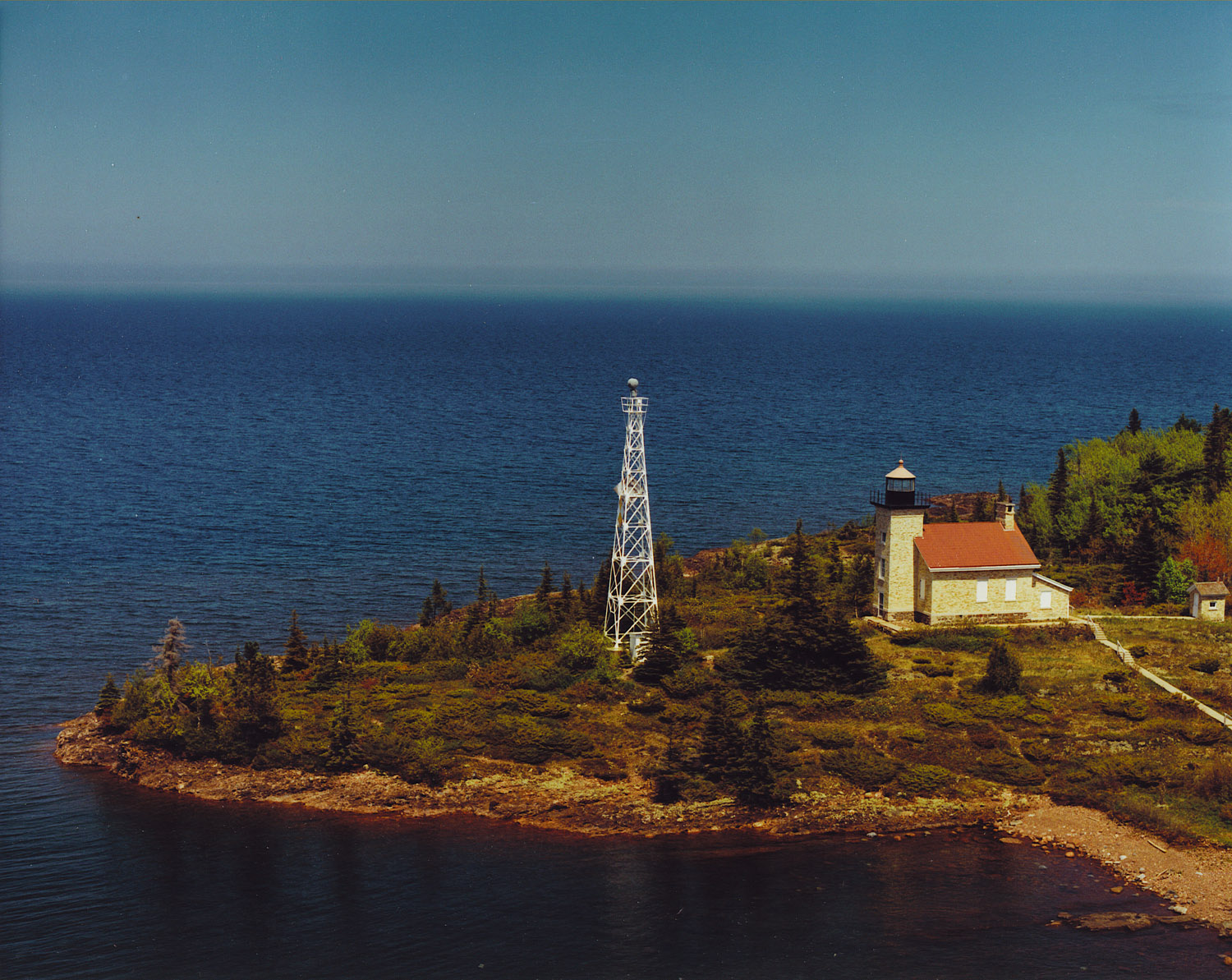
Fort Wilkins and the Copper Harbor Light
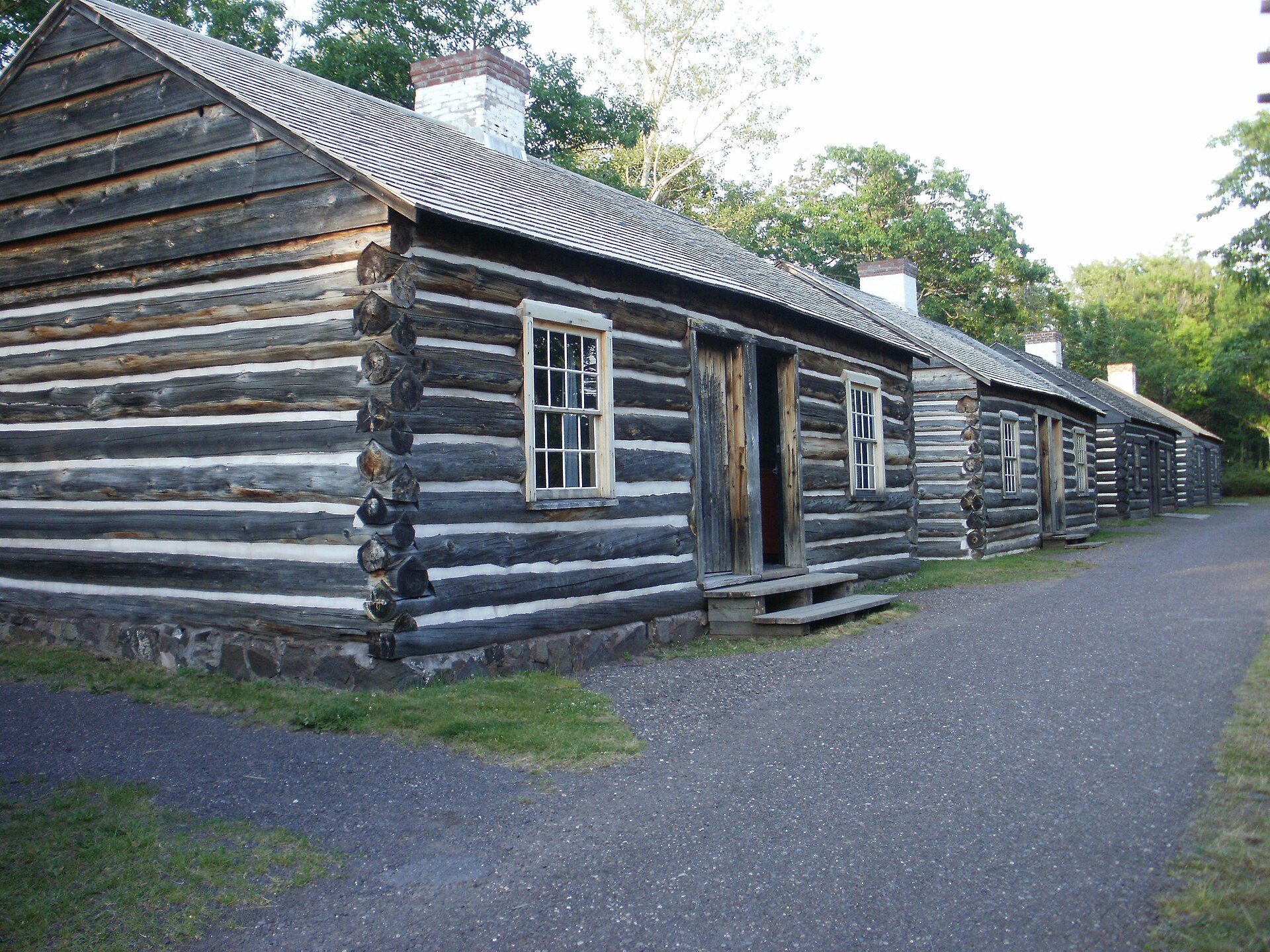
Fort Wilkins Historic State Park preserves one of the better-surviving examples of mid-nineteenth-century army life on the northern frontier, built when the copper rush brought enough people and enough disorder to the peninsula that the federal government thought a garrison advisable. The restored buildings house exhibits and audiovisual programs, and costumed living-history interpretation runs through the summer season, which does considerably more than static displays to convey what daily routine actually looked like for soldiers posted to the far edge of the country. The park sits on the edge of the village, close enough to walk from most lodging.
The park also administers the Copper Harbor Lighthouse Complex, which includes a restored 1848 lightkeeper's dwelling, the 1866 lighthouse itself, and interpretive trails on the point. There is a complication worth planning around: the road to the lighthouse is closed to the public, so the only access is by water. Boat tours run from the Copper Harbor Marina during the summer months, departing from the Bella Vista Motel dock, and the short crossing is part of the appeal — arriving at a lighthouse the way its supply boats did makes a stronger impression than a parking lot ever would.
Going Underground at the Delaware Mine
Copper was mined at the Delaware site, near Mohawk south of Copper Harbor, from 1847 to 1887, and the operation is now open for self-guided tours that take visitors down Shaft No. 1 to the first level at a depth of 110 feet. What makes the descent worth making is what is visible in the walls: pure veins of native copper, exposed in place rather than displayed in a case. Michigan's copper was unusual precisely because it occurred as metal rather than as ore requiring smelting, and seeing that with a hand on the rock explains the entire nineteenth-century rush more efficiently than any museum panel.
Above ground the site has accumulated an eccentric spread of attractions that reward an unhurried visit: walking trails leading to the mine ruins, a saw mill, a large display of antique engines, a train collection, a small zoo, and rock piles where visitors are welcome to hunt for souvenir copper. It is the sort of place that has grown by accretion rather than design, and the combination of serious industrial archaeology with a petting zoo and a scrap pile is entirely characteristic of the Keweenaw. Families in particular tend to spend far longer here than they planned to.
Estivant Pines
The Estivant Pines Nature Sanctuary protects 570 acres of what the logging era very nearly eliminated: one of the last old-growth white pine stands remaining in Michigan. The trees here exceed 125 feet in height and date back roughly three hundred years, which means they were already substantial when the copper boom arrived and were somehow passed over while essentially every comparable stand in the Great Lakes states went to the saws. Walking among them is a genuinely different experience from walking in ordinary northern forest — the scale of the trunks and the height of the canopy change the quality of light at ground level.
The sanctuary is a preserve rather than a park, which sets expectations appropriately: trails are maintained but rustic, facilities are minimal, and the management priority is the trees rather than visitor convenience. Insect repellent is not optional in early summer. The trails form loops of manageable length, making this a two-hour outing rather than a full day, and it pairs naturally with a morning at the mine or an afternoon in the village.
The Mountain Bike Trails
Copper Harbor's mountain bike trail system has a reputation that extends far beyond Michigan, ranked among the top-rated systems anywhere and designated a Silver Level Ride Center by the International Mountain Bicycling Association — a designation held by relatively few systems worldwide. The network runs to more than forty miles of singletrack across terrain that is genuinely unusual for the Midwest, with rock, elevation, and technical features that draw riders who would not otherwise consider a trip to the far end of a Michigan peninsula.
The system's reputation is built on its difficult trails, which can give the impression that this is a destination for expert riders only. It is not. Hunter's Point Pathway, the trails within Fort Wilkins, and the Lighthouse Overlook Trail are all beginner-friendly, and they cover attractive ground on their own terms — Hunter's Point in particular runs out along a rocky Lake Superior peninsula with water on both sides. Non-riders should treat all three as hiking routes, because they work perfectly well as such.
Brockway Mountain and the Village
Brockway Mountain Drive climbs the ridge between Eagle Harbor and Copper Harbor and constitutes the region's signature scenic route. A Works Progress Administration project, it is the highest above-sea-level drive between the Rockies and the Alleghenies, topping out at 1,320 feet — roughly 720 feet above the surface of Lake Superior. The viewpoints along the ridge take in Copper Harbor, the lake, and an expanse of undeveloped forest, and on a genuinely clear day Isle Royale is visible some fifty miles out. Sunset from the top is the village's default evening activity.
Copper Harbor itself is small enough to cross on foot in minutes and supports a seasonal cluster of lodging, dining, and outfitting that contracts sharply outside summer. Travelers should provision in Houghton or Calumet rather than assuming a full grocery at the end of the road, confirm that intended businesses are open before relying on them in shoulder season, and understand that winter here means genuine lake-effect snow and a very short list of open doors. In exchange, a visitor in late September gets one of the most spectacular corners of the state very nearly to themselves.