Coldwater sits along what was, in the nineteenth century, one of the most heavily traveled rail corridors in the Midwest, the main line connecting Detroit and Chicago, and that steady stream of passing rail traffic gave the small Branch County seat an unusually cosmopolitan cultural life for a farming community of its modest size. The clearest surviving evidence of that outsized cultural ambition still stands directly downtown: an 1882 opera house financed by a local businessman that remains, to this day, one of the oldest continuously operating theaters anywhere in Michigan.
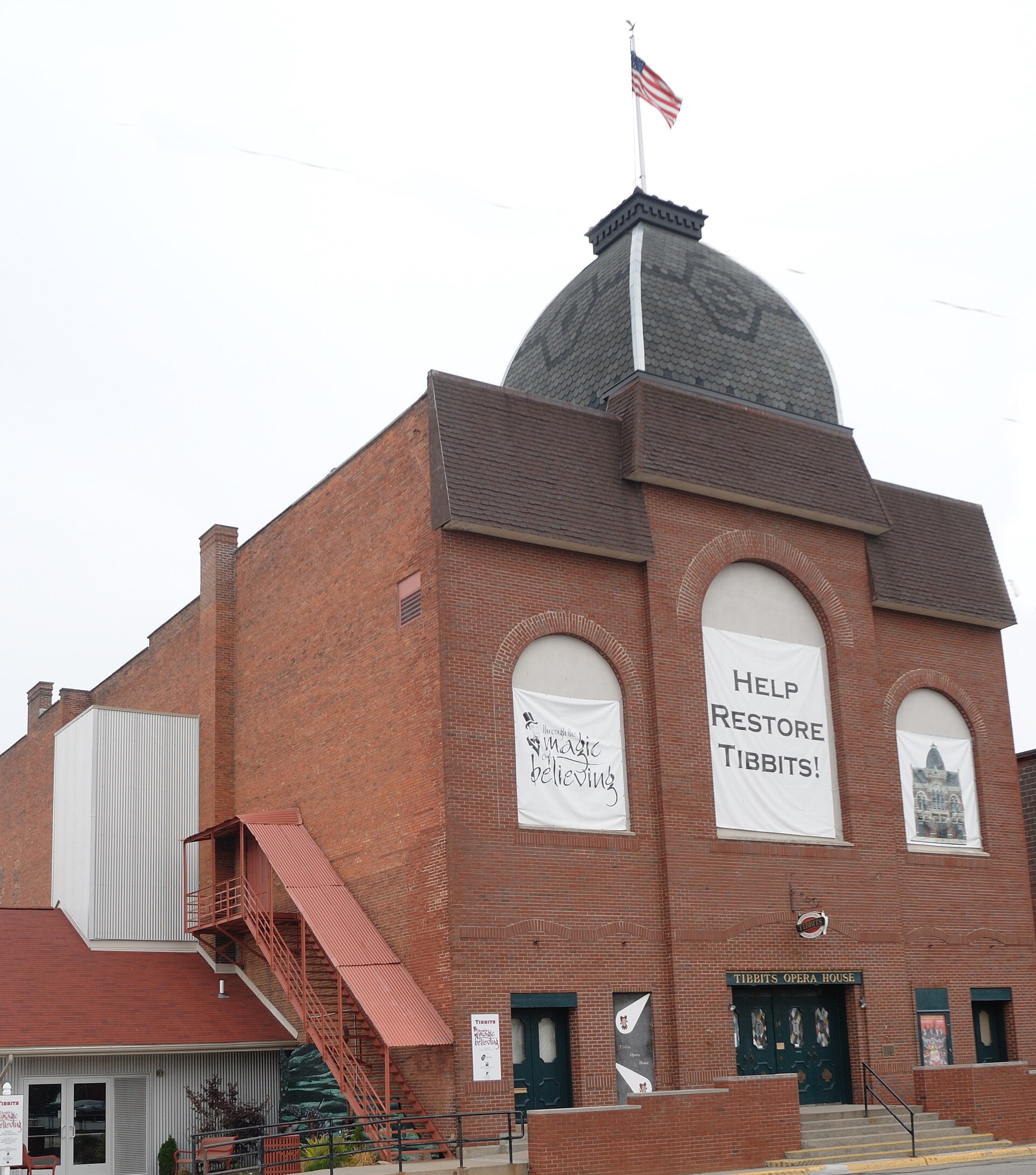
The Tibbits Opera House
Barton S. Tibbits financed construction of the opera house that still bears his name in 1882, and the building opened that September with a performance of "Maid of Arran," launching a cultural venue substantial enough to attract touring performers who might otherwise have had little reason to detour into a town of Coldwater's size. The opera house's continued relevance owed everything to Coldwater's position on the main Detroit-to-Chicago rail corridor, which meant that theatrical companies, vaudeville acts, and touring lecturers already traveling between the two major cities could add a Coldwater performance to their circuit with minimal additional travel, transforming what might otherwise have been a forgettable farm-country stop into a genuine, if modest, cultural waystation.
The building's guest list over its working lifetime reads like a survey of American stage talent across multiple generations, including Ethel Barrymore, Joseph Jefferson, Eddie Foy, and Maude Adams, performers whose national reputations made their appearances in a small Branch County theater a source of genuine local pride rather than mere small-town novelty booking. The Tibbits operated across the full range of period entertainment, from serious drama and opera to vaudeville, minstrel shows, wrestling exhibitions, and eventually motion pictures, adapting its programming across a century of shifting American entertainment tastes rather than remaining locked into its original 1882 opera-house format.
A Resort Stop for City Folk
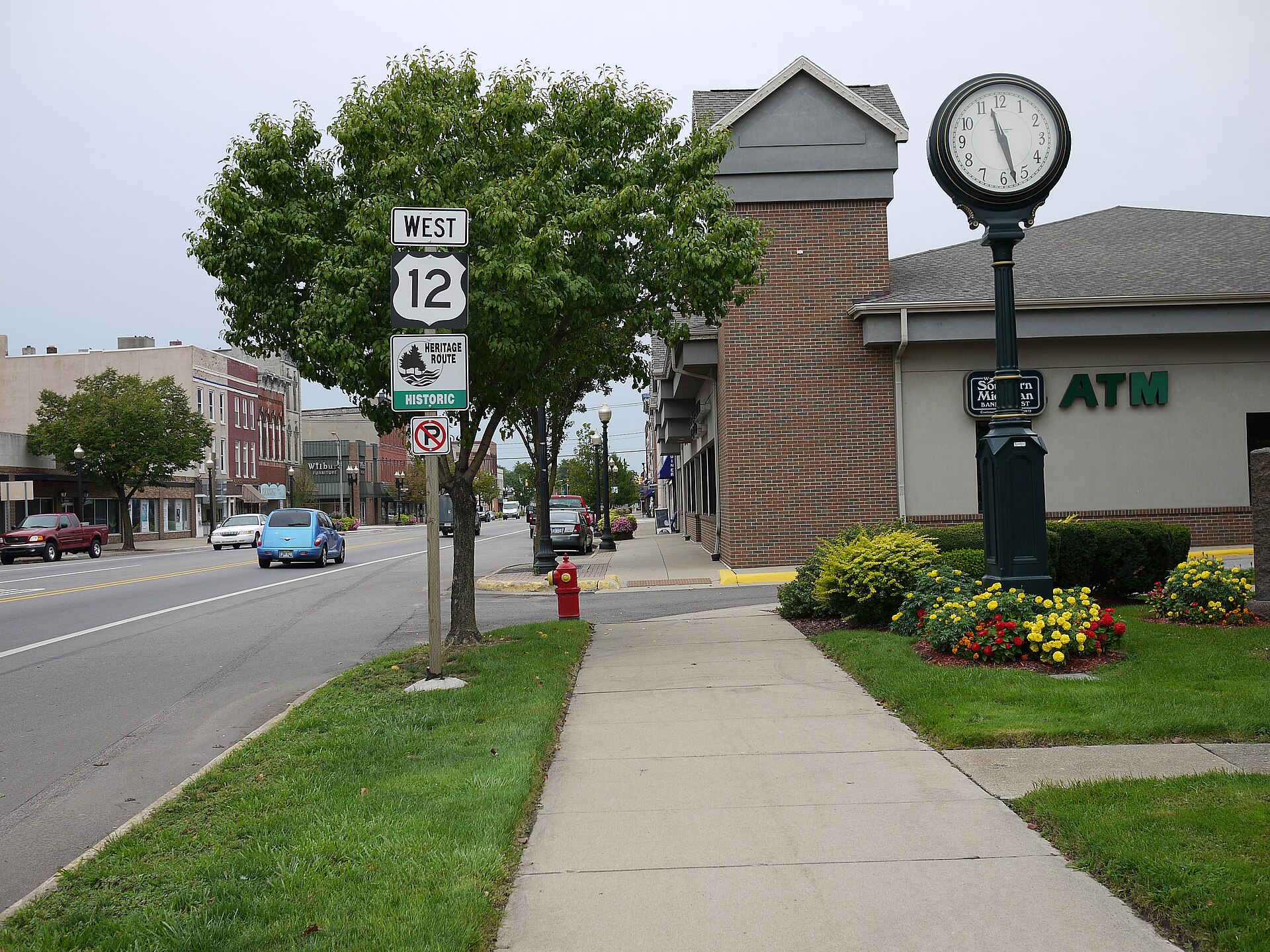
Coldwater's position as a full day's journey from either Detroit or Chicago made it a natural overnight stopping point for nineteenth-century travelers making the longer trip between the two cities, and the surrounding countryside's abundance of small lakes and forested parkland gave Coldwater a secondary identity as a modest resort destination for city residents seeking a rural retreat within reach of the rail line. That dual identity, part transportation waystation and part countryside escape, shaped the town's commercial development in ways that still show up in its historic downtown architecture today.
The Tibbits Opera House earned its listing on the National Register of Historic Places in 2019, well over a century after its original construction, and continues to operate as a genuine working arts center hosting concerts and live performances rather than existing purely as a preserved museum piece. Its survival as a functioning venue, rather than a static historical exhibit, gives Coldwater a cultural anchor considerably more substantial than most towns of its size can claim, one built directly on the accident of geography that placed it squarely between two of the Midwest's largest cities.