In This Guide
Floating the Muskegon Paris Park Ferris State University The Jim Crow Museum, and When to Go The Riverwalk and the White Pine Trail Hardy Dam and the Reservoir Lakes, Small Towns, and the Rest of the Radius How to Structure ItBig Rapids calls itself the tubing capital of Michigan and thousands of people show up every summer to prove the claim, drifting down the Muskegon on an inner tube at a pace that could not reasonably be called exertion. There is more here than the river: a university founded by a man who became governor, a nineteenth-century fish hatchery turned county park, and one of the longest rail trails in the state running straight through downtown.
Floating the Muskegon
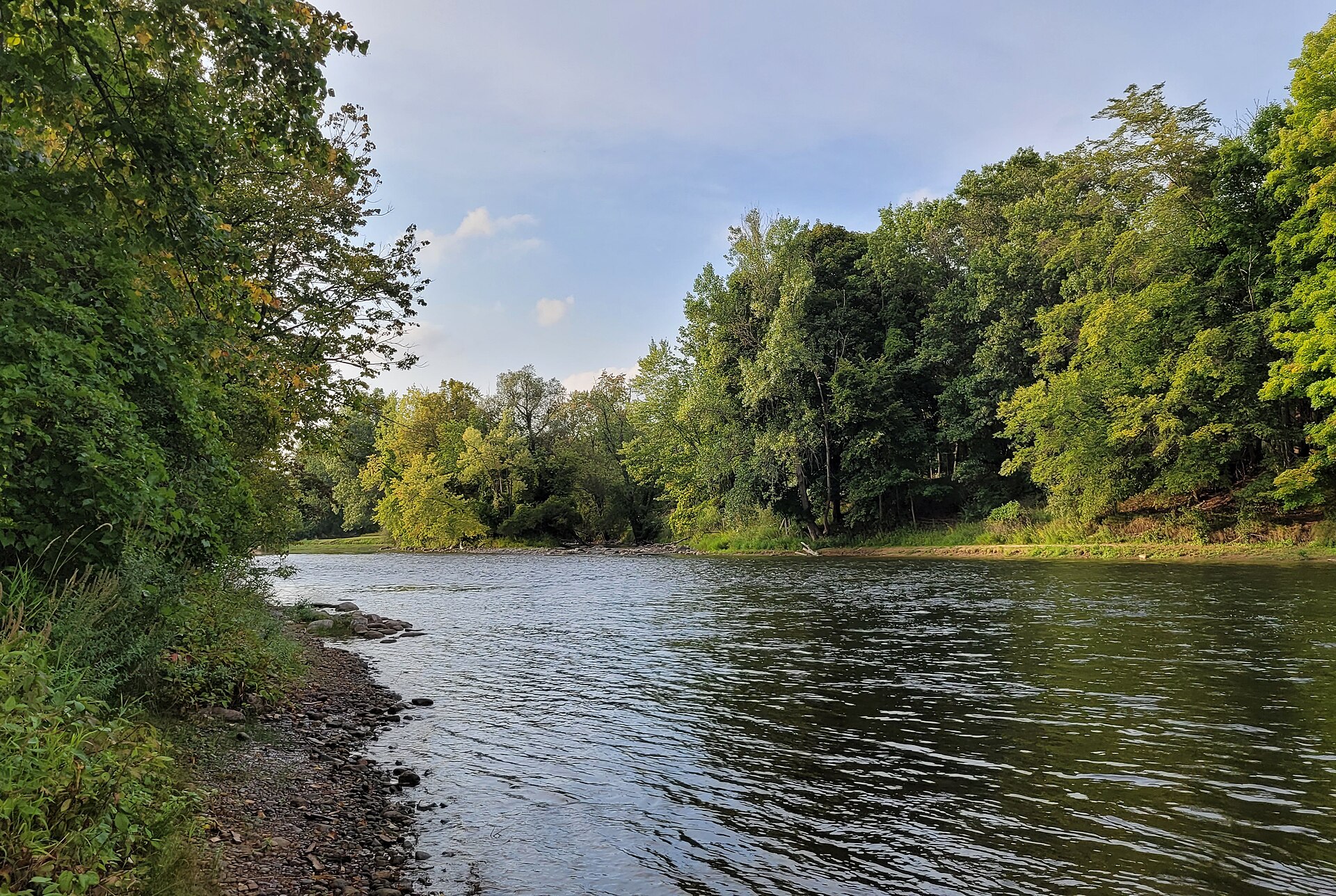
The Muskegon through Mecosta County is wide, shallow, and steadily but forgivingly moving, which is exactly the combination that makes a river good for tubing rather than merely possible. Outfitters in town rent tubes and run shuttles, and the standard trip is measured in hours of doing nothing.
The same water is excellent for kayaks and canoes, and the stretch north of town launching from Paris Park is the one most often recommended for paddling. If you want the river without the crowd, go on a weekday or go early.
This is also serious fishing water. Steelhead, salmon, smallmouth bass, and trout are all in play depending on the season and the stretch, and the Muskegon is one of the better-regarded river fisheries in the Lower Peninsula.
Paris Park
Ten minutes north of Big Rapids, Paris Park is a county park built on the bones of something older and more interesting. It opened in 1881 as Michigan's second fish-rearing facility, sited here for its abundant spring water and its railroad connections.
It became a major supplier of salmon and brown trout fingerlings for stocking lakes and rivers across the state. From 1913 until 1938 the fingerlings went out in distinctively red-painted milk cans loaded into railroad baggage cars, which is one of those details that makes a whole vanished system suddenly concrete. Hatchery transport trucks ended the practice in 1938.
The Michigan Department of Natural Resources closed the hatchery in 1964. The county Park Commission acquired it in 1973, refurbished the grounds, and opened it as a park in July 1976. The ponds and the hatchery buildings are still there, and there is a campground and a river access.
Ferris State University
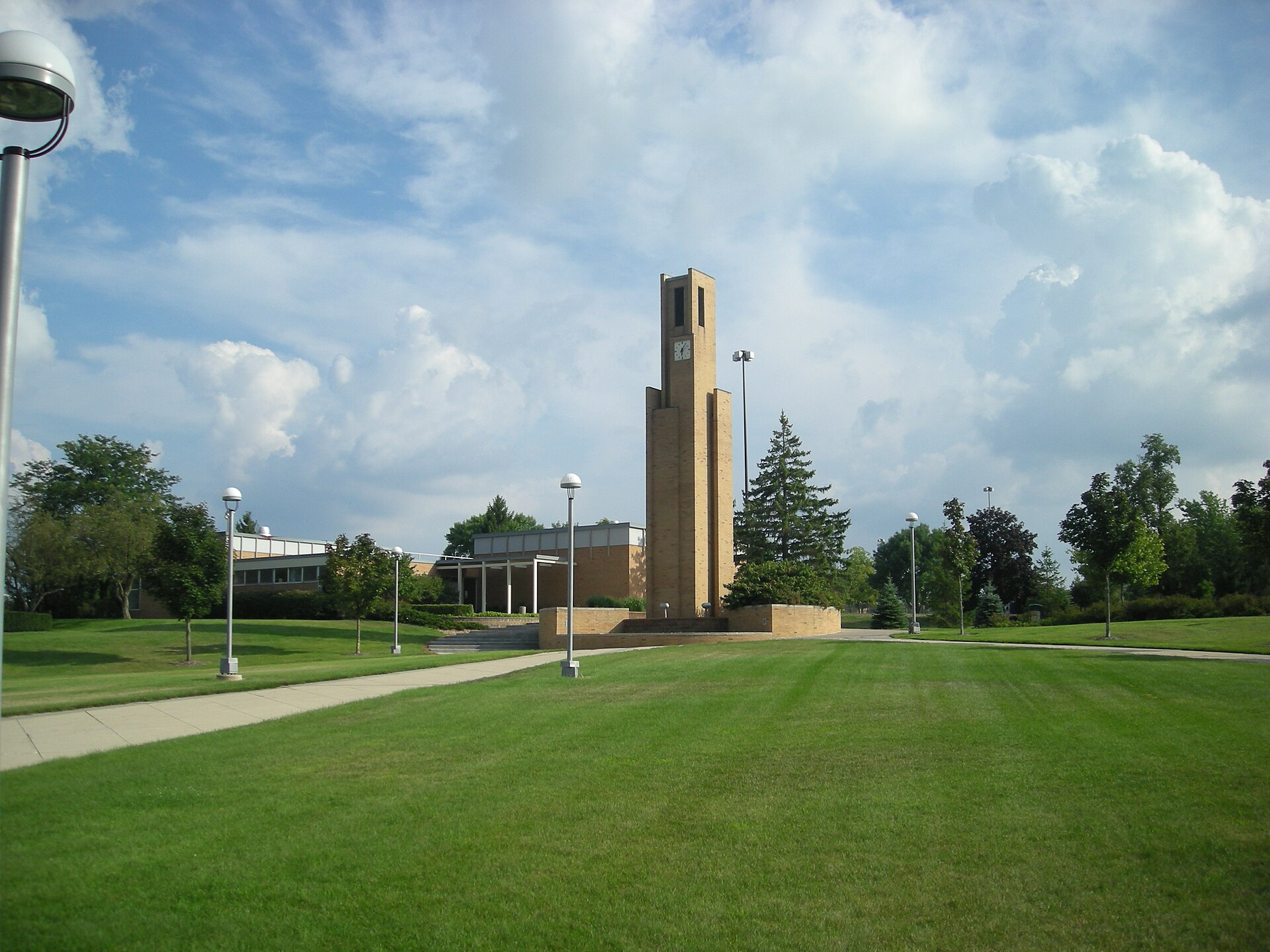
Woodbridge Nathan Ferris, an educator from Tioga County, New York, founded the Big Rapids Industrial School in 1884. He went on to serve as governor of Michigan and then in the United States Senate, where he remained until his death. The school he started is now Ferris State University, and it is the reason Big Rapids has a downtown with more going on than a town of its population usually supports.
The campus is walkable and sits immediately east of downtown. During the academic year it gives the town its restaurants, its coffee, and its events calendar; in summer the town is quieter and the river is busier.
Ferris is known for applied and professional programs, including the Michigan College of Optometry and the College of Pharmacy, which is a slightly unusual profile for a school in a town this size.
The Jim Crow Museum, and When to Go
This one requires a timing note before anything else, because it is currently in transition.
The Jim Crow Museum at Ferris State grew out of David Pilgrim's personal collection, begun in the 1970s and formally given to the university in 1996. It opened to the public in 2012 in the lower level of the FLITE building and had grown to over 30,000 objects by 2024. Its stated mission is to use objects of intolerance to teach tolerance and promote social justice, and admission has always been free.
Ground was broken on a new 26,000-square-foot building in December 2024. The existing museum closed to the public in November 2025 to prepare the collections for the move, and the new museum is scheduled to open in fall 2026. Confirm that it is open before you plan a day around it, and confirm the address, because it is changing.
The Riverwalk and the White Pine Trail
The Big Rapids Riverwalk follows the Muskegon and links downtown to Hemlock Park, Northend Riverside Park, and Swede Hill Park. It is the easy walk, the one you do in the evening, and it puts you on the water without getting into it.
The Fred Meijer White Pine Trail State Park passes directly through Big Rapids. It runs roughly 92 miles from Cadillac south to Comstock Park just outside Grand Rapids, on the old Grand Rapids and Indiana Railroad grade, and it opened in 1995. Big Rapids is close to its midpoint, which makes this a good place to ride a long out-and-back in either direction.
Between the Riverwalk and the White Pine Trail, you can put together a full day on foot or on a bike without ever getting back in the car.
Hardy Dam and the Reservoir
About forty minutes southwest, in Newaygo County, Hardy Dam is an earth-filled embankment dam on the Muskegon River and the largest earthen dam east of the Mississippi. Its reservoir covers roughly 4,000 acres with over fifty miles of shoreline.
That shoreline is the point for a visitor. There is boating, fishing, and a set of trails around the impoundment, including the long singletrack route local riders call the Dragon.
This is the far edge of a forty-five-minute radius. Treat it as a day rather than an afternoon, and combine it with Newaygo and the lower Muskegon if you are going anyway.
Lakes, Small Towns, and the Rest of the Radius
Mecosta County is lake country, and Canadian Lakes about twenty minutes east is the largest of the developed lake communities, with golf and beaches and a summer population that dwarfs its winter one.
Reed City sits fifteen minutes north and is where the White Pine Trail meets the Pere Marquette State Trail, making it the most important trail junction in this part of the state. Morley is south. Evart is northeast on US-10.
Cadillac is about forty-five minutes north, which puts the top of the White Pine Trail and a very different kind of lake town inside a day trip. The Manistee National Forest begins just west of here, which is why the drive in that direction changes character so abruptly.
How to Structure It
Two nights in summer, which is the season this trip is built for. Big Rapids has chain lodging and Paris Park has a campground on the river.
A workable shape: arrive in the afternoon, walk the Riverwalk, eat downtown. Give a full day to the river, whether that is tubing, paddling, or fishing, and give the second morning to Paris Park and the White Pine Trail. Add Hardy Dam only if you have a third day.
The one thing to plan around is the university calendar. During the school year the town is livelier and the restaurants are fuller; in July it belongs to the river.