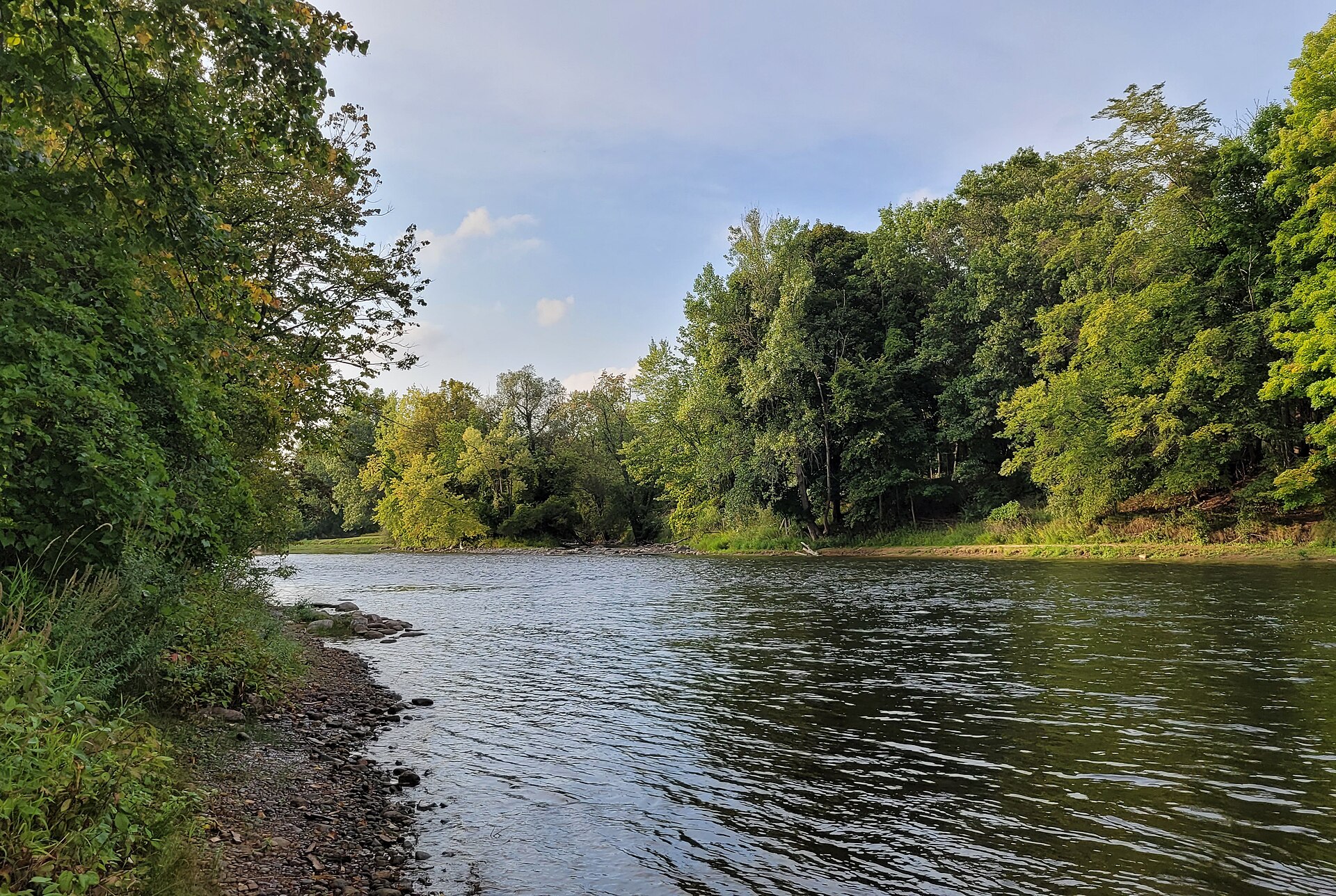
Big Rapids grew up around a genuine set of rapids on the Muskegon River, a natural feature that once powered lumber mills and now mostly just provides a scenic backdrop for a downtown that has, over the past century and a half, come to revolve almost entirely around Ferris State University, the institution founded here in 1884 by a schoolteacher who would later go on to serve as both Michigan's governor and a United States senator. The university's presence gives a town of barely eight thousand year-round residents a cultural and economic energy considerably larger than its population alone would suggest, filling the surrounding restaurants and shops with a steady flow of students for most of the calendar year.
Woodbridge Ferris's Ambitious Little School
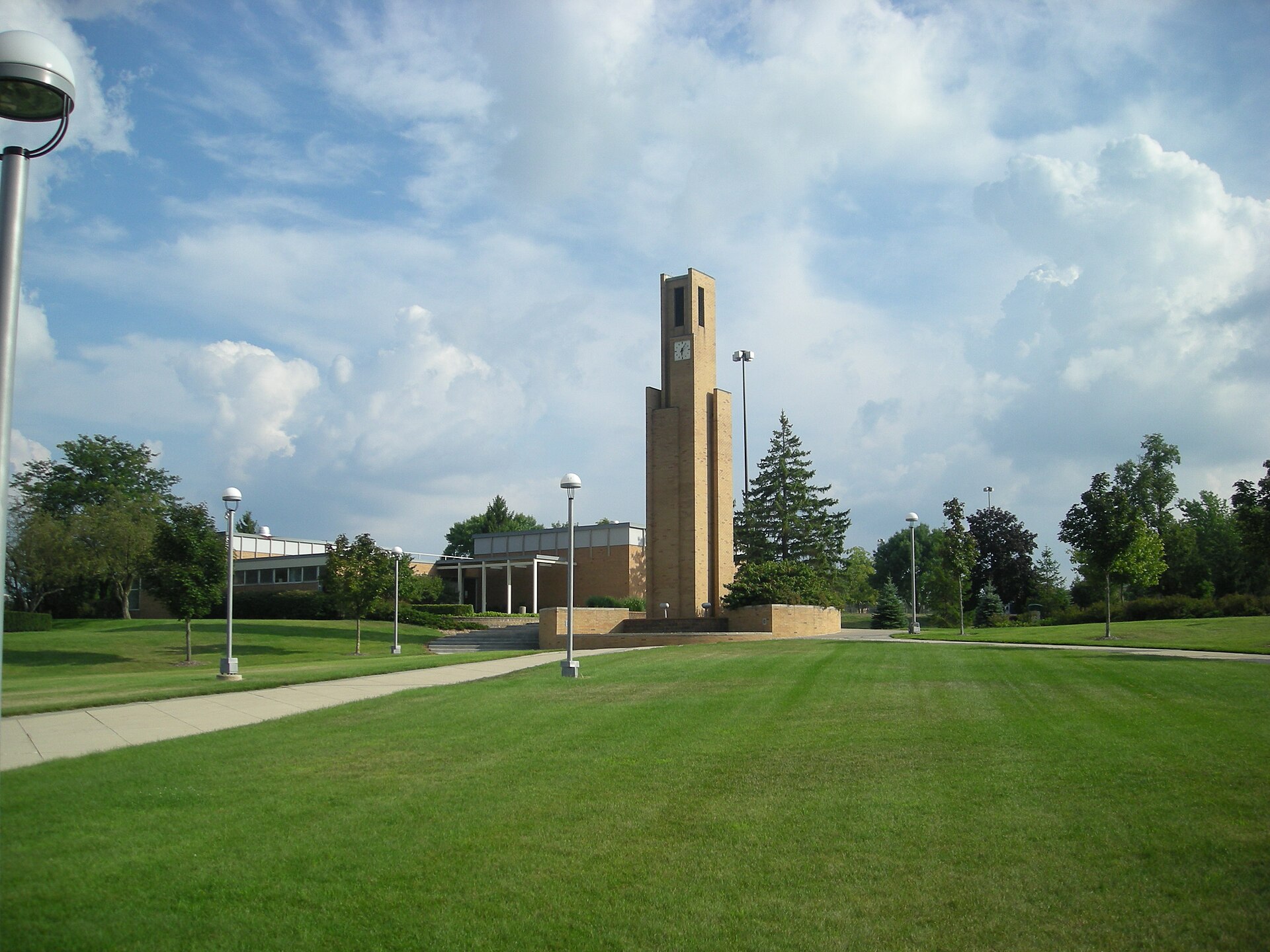
Woodbridge Nathan Ferris founded what was then called the Big Rapids Industrial School in 1884 with a distinctly practical educational philosophy, emphasizing hands-on vocational training and career preparation over the more classical liberal arts curriculum most contemporary colleges favored, an approach that proved successful enough to grow into what is now Ferris State University, a school serving thousands of students across programs ranging from optometry to pharmacy to a genuinely well-regarded golf management program. Ferris himself went on to a notable political career, serving as Michigan's governor in the early twentieth century and later as a United States senator, making him one of the rare university founders whose subsequent career arguably outshone the institution he started, even as that institution continued to grow long after his political career had ended.
The university's campus sits directly adjacent to downtown Big Rapids, close enough that the line between college town and municipal downtown blurs considerably, with student-oriented restaurants and bars sharing block space with more traditional small-town businesses that have served local families for generations.
The River That Named the Town
The Muskegon River's rapids, which gave Big Rapids its name and once powered the sawmills that built the early town, are considerably tamer today than they were in the lumber era, but the river remains a genuine recreational asset, popular with kayakers and tubers during the warmer months and lined with a riverside trail system that connects several city parks along its banks. A dam just downstream moderates the river's flow enough to make it broadly approachable for casual paddlers, while stretches further from town retain enough current and rock structure to interest more serious whitewater enthusiasts looking for something more technical than the calm water found immediately around downtown.