In This Guide
The Ziibiwing Center The Chippewa River and the Parks A University Town in the Middle Seasons in the Middle of the StateMount Pleasant sits close to the geographic middle of the Lower Peninsula, which is exactly the part of Michigan that vacation planning tends to skip on the way to somewhere with a shoreline. That is a mistake worth correcting. The Chippewa River runs through town, the surrounding parkland runs past a thousand acres across nineteen distinct natural preserve areas, a university supplies the cultural infrastructure of a much larger city, and the Saginaw Chippewa Indian Tribe operates a cultural center that is among the most substantial American Indian museums in the region. For travelers coming from the south, it is also roughly the point where northern Michigan begins.
The Ziibiwing Center
The Ziibiwing Center opened in 2004 to preserve and present the history and culture of the Saginaw Chippewa Indian Tribe, and it is the single strongest reason to stop in Mount Pleasant. Its permanent exhibits trace Anishinabe history from creation narratives through treaty history, the boarding school era, and contemporary tribal life, and the interpretation is authored from within the community rather than about it — a distinction that is immediately apparent and that separates this from a great many museums covering similar ground.
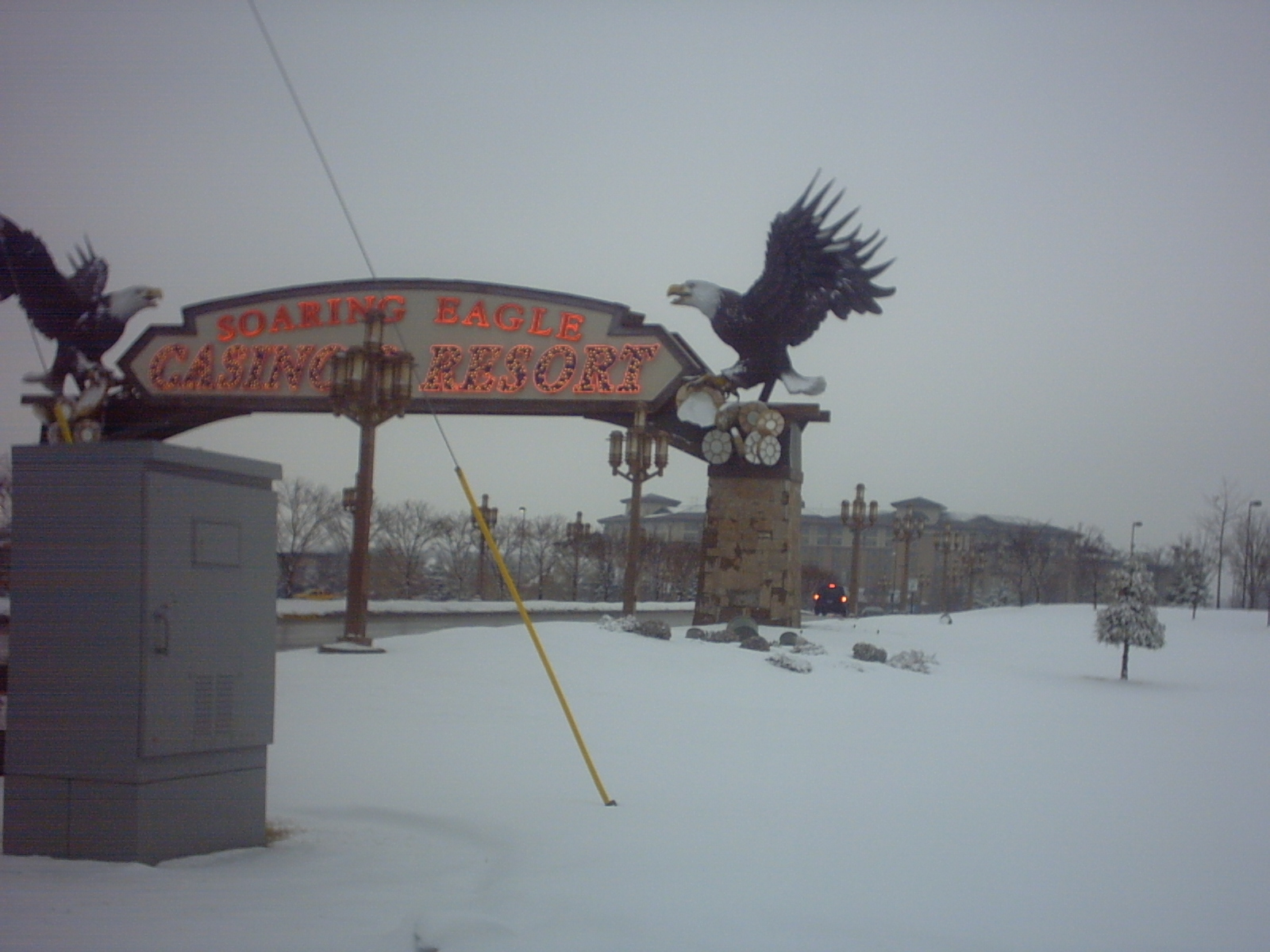
The center is described by regional tourism as the Midwest's premier American Indian museum and cultural center, and while that is a promotional framing, the scale and seriousness of the institution support it. Alongside the permanent galleries there are cultural presentations, workshops, and a gift shop carrying work by tribal artists. It sits next to the Soaring Eagle Casino and Resort, which the tribe also operates, and visitors should allow a couple of hours rather than treating it as a quick stop.
The Chippewa River and the Parks
The Chippewa River is the area's defining natural feature and the spine of its outdoor recreation. Hiking, biking, and picnicking along the river are the everyday uses, and the county park system provides the access. The largest of these covers roughly 591 acres along the riverbank and packs in an unusual amount: picnic areas and covered pavilions, a covered bridge and swing bridges over the water, an artesian well, two eighteen-hole disc golf courses, and about eight miles of hiking trails.
That combination — covered bridge, swing bridges, artesian well, disc golf — is precisely the sort of thing that makes a mid-state park worth an afternoon rather than a rest stop. Beyond it, Mount Pleasant claims more than a thousand acres of parkland across nineteen distinct natural preserve areas, which is a substantial figure for a city of this size and reflects a long-standing local commitment to keeping the river corridor open. Paddling the Chippewa is straightforward, with gentle current suited to casual canoeing and tubing in summer.
A University Town in the Middle
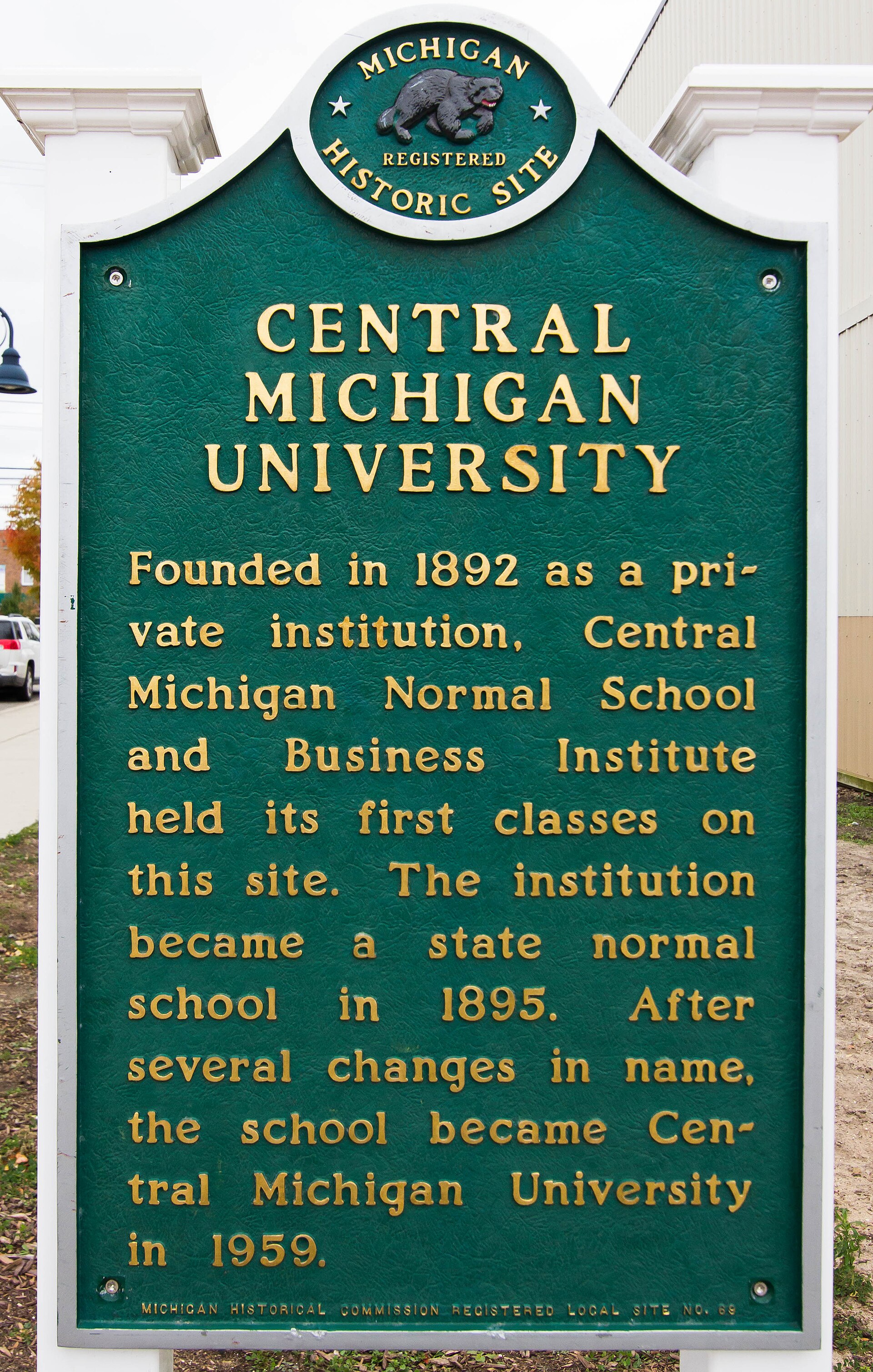
Central Michigan University anchors the city and produces the effect familiar from college towns everywhere: restaurants, coffee shops, bookstores, and a cultural and athletic calendar out of proportion to the resident population. For travelers, the practical consequence is that Mount Pleasant has genuine services and genuine variety in the middle of a part of the state where those can be scarce, and it stays open year-round rather than following a tourist season.
That reliability is the argument for treating Mount Pleasant as a base rather than a waypoint. It sits within reasonable reach of a great deal — the Clare area and the beginning of the north to the northwest, the Saginaw Bay communities to the east, and the mid-state lakes country beyond. Travelers working through central Michigan will find it the most practical place to sleep, and one with considerably more to do than its reputation suggests.
Seasons in the Middle of the State
Mid-state Michigan lacks both the lake-effect snow of the west and the shoreline crowds of either coast, which produces a comparatively even year. Summer is warm and green with the river at its most usable; autumn brings hardwood color through the river corridor without the traffic that clogs the northern color routes; winter is real but more manageable than points north, and the trail networks convert to skiing and snowshoeing.
The practical advantage over more famous destinations is availability. Lodging here does not sell out months ahead, prices do not spike in July, and a traveler can decide on a Thursday to come for the weekend — which is close to impossible in Charlevoix or Traverse City at the same time of year. For a family looking for a low-friction few days with a genuinely worthwhile museum, a river, and a lot of parkland, the middle of the state is underrated and stays that way largely because nobody thinks to look.