Newaygo sits along the Muskegon River in the county that shares its name, a small West Michigan river town whose modern recreational appeal, built around canoeing, tubing, and riverside camping, sits directly downstream from one of the more genuinely significant pieces of early twentieth-century American dam engineering. The Croton Dam, a short distance from town, drew international attention when it was completed, a level of technical interest that a casual float down the Muskegon today gives little obvious hint of.
An Engineering Landmark on the Muskegon
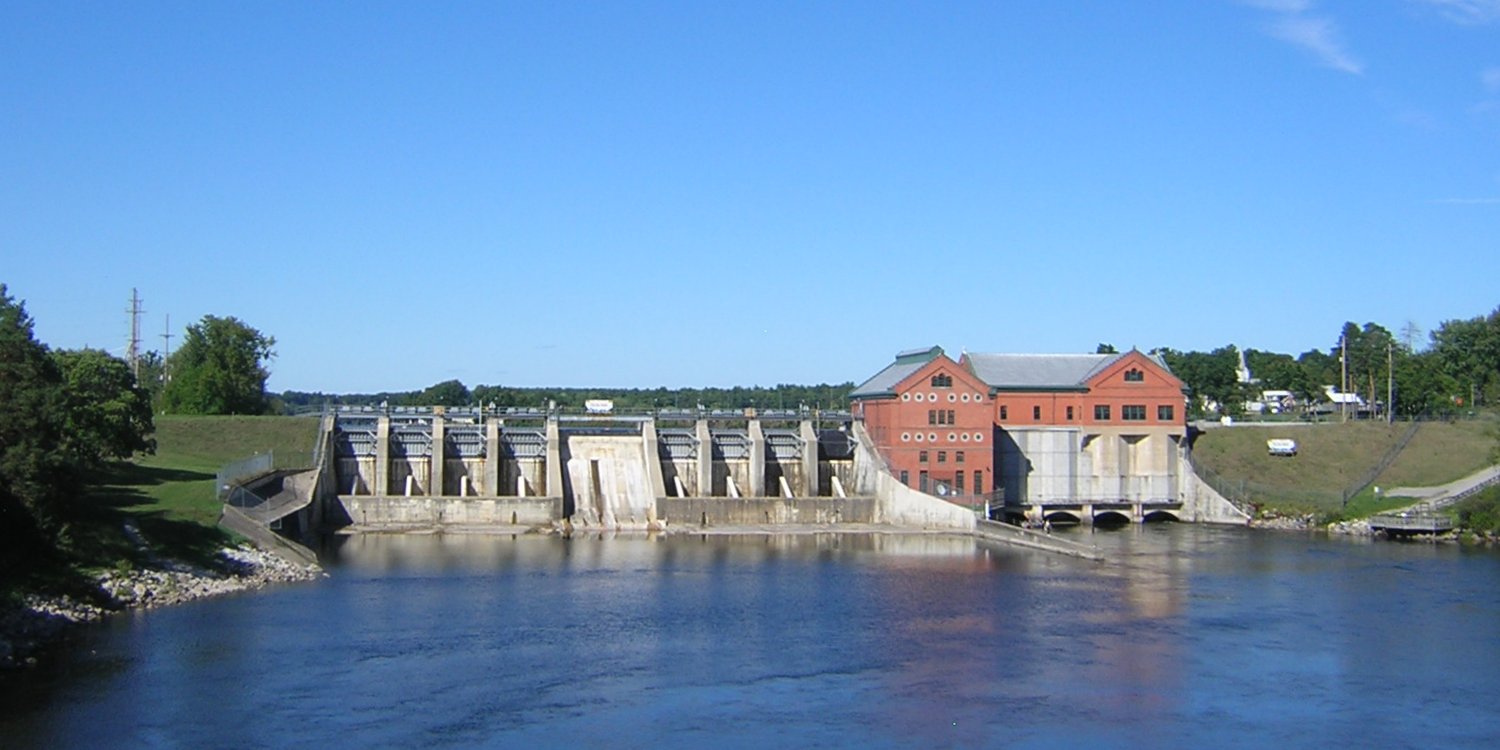
The Croton Dam and its associated hydroelectric plant were built in 1907 under the direction of engineer William D. Fargo for the Grand Rapids-Muskegon Power Company, a predecessor of what is now Consumers Energy, and the completed facility's 110,000-volt transmission line represented the highest voltage in use anywhere at the time, a genuinely significant engineering milestone that drew attention from power engineers well beyond Michigan's borders. Fargo was a recognized pioneer in building earth-filled embankment dams on soft soil foundations using hydraulic sluicing construction methods, and the Croton Dam stands as one of the earliest applications of that specific technique anywhere east of the Mississippi River.
The finished dam rises forty feet with a length of 370 feet, impounding the Croton Reservoir's more than twenty-two thousand acre-feet of water, and its historical significance earned it a listing on the National Register of Historic Places and designation as a Michigan State Historic Site, both in 1979, formal recognition of just how influential the dam's construction techniques proved for later hydroelectric projects.
A River Town's Second Life
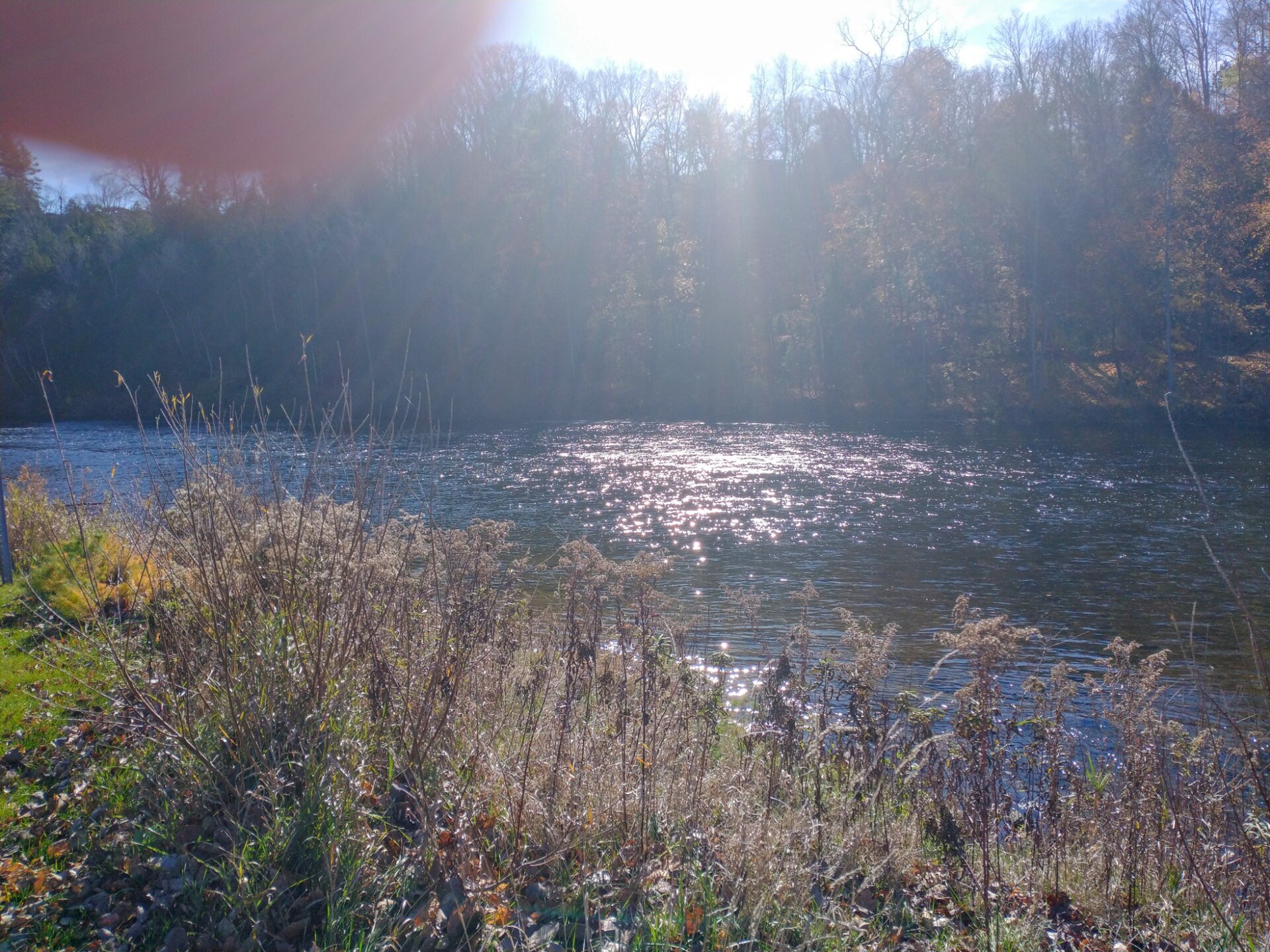
Downstream from the dam, the Muskegon River running through Newaygo today serves a very different purpose than the industrial power generation the Croton facility was built to provide, with canoe liveries, tubing outfitters, and riverside campgrounds now forming the backbone of the town's summer economy. Newaygo's compact downtown sits close enough to the water that a visit can easily combine a short paddle with a walk through the historic business district, giving the town a genuinely pleasant small-scale river-town character that pairs an unusually significant engineering history with an entirely unpretentious present-day identity built around simply enjoying the water the dam was built to harness.