Adrian anchors Lenawee County in Michigan's far southeastern corner, a county seat originally settled by Quaker families whose deep religious convictions against slavery turned the young town into one of the most significant Underground Railroad hubs anywhere in the state, a legacy considerably more consequential than the town's quiet present-day downtown might suggest.
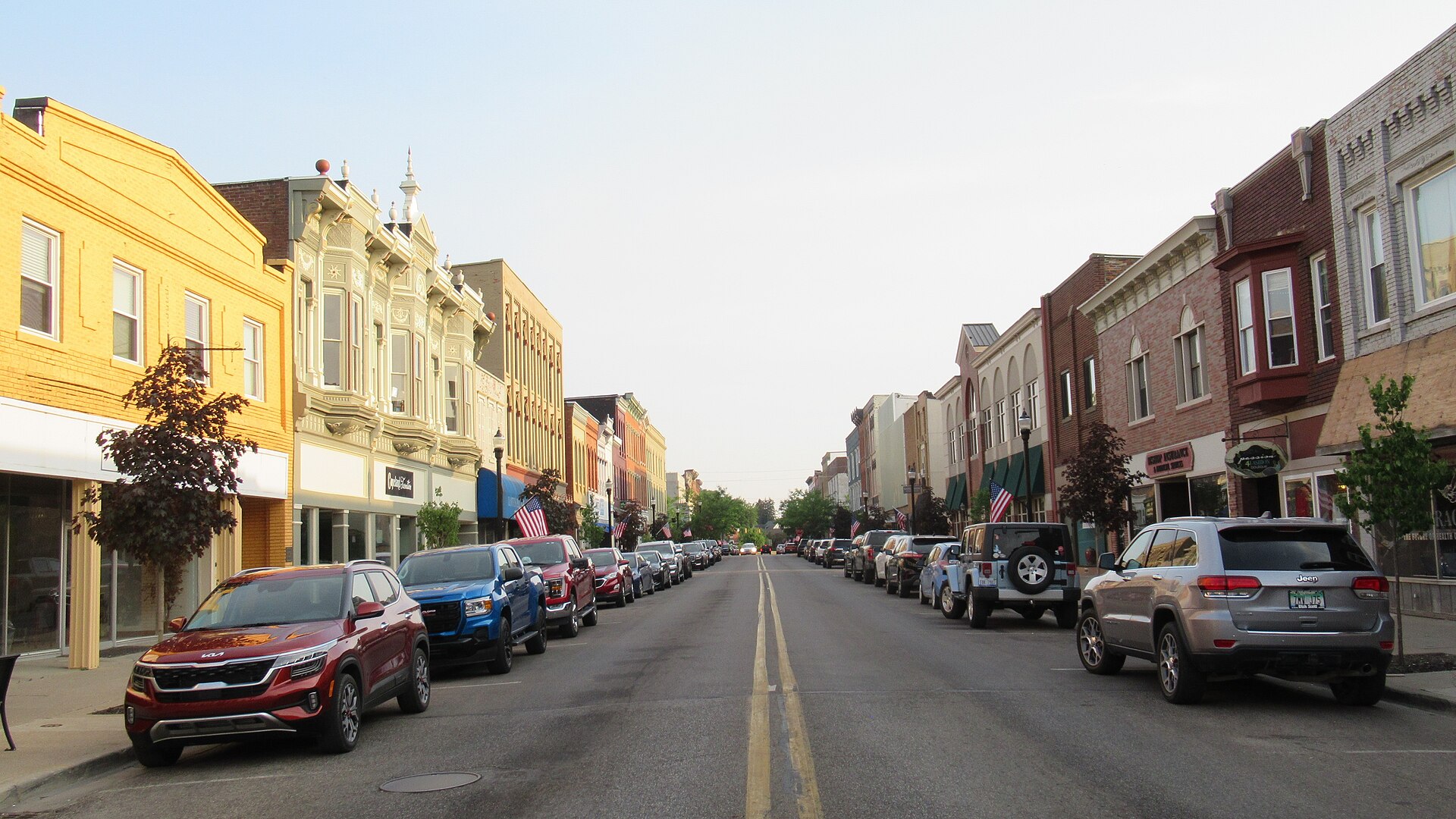
Michigan's First Quaker Congregation
Adrian was originally settled under the name Logan by Quaker families who established the Raisin Valley Friends, Michigan's very first Quaker congregation, a religious community whose theological commitment to human equality translated directly into organized antislavery activism well before the broader American public had rallied to the abolitionist cause in any significant numbers. That Quaker foundation gave the young settlement a genuinely unusual civic character for its era, one openly hostile to slavery in a period when such views remained a distinctly minority position across much of the country.
Elizabeth Chandler founded the Logan Female Antislavery Society in Raisin Township in 1832, an organization recognized as the first antislavery society established anywhere in the Michigan Territory, and by 1839 similar antislavery societies had spread to additional townships across the county, including Blissfield, Cambridge, Franklin, and Madison, alongside the village of Adrian itself.
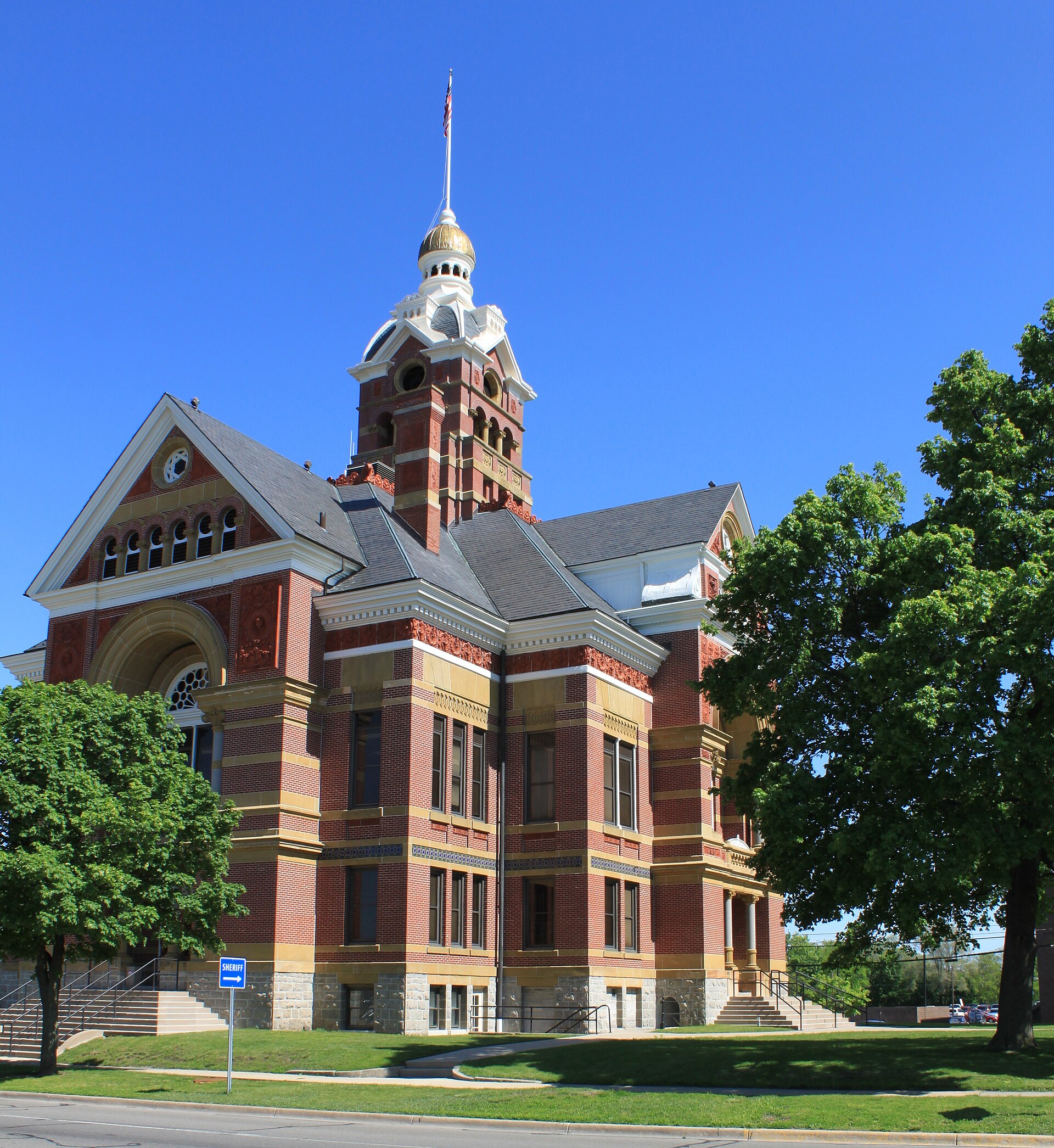
The Underground Railroad's Michigan Hub
That dense concentration of antislavery activism made Adrian the effective focal point of what became known as Route 2 of the Underground Railroad, a corridor running from Toledo through Adrian and on to Detroit, along which escaped enslaved people moved toward freedom in Canada with the assistance of local Quaker and abolitionist networks. Laura Smith Haviland, who lived in the Adrian area, became one of the most prominent Underground Railroad operators and equal rights activists in the entire country, her work alongside her husband Charles helping establish a genuine network of hidden stations throughout the Raisin River Valley.
That history remains a significant point of local historical pride in Adrian today, commemorated through markers and preserved sites around town that document a chapter of American history in which this otherwise modest Lenawee County seat played a genuinely outsized role in the broader national struggle against slavery.