Paw Paw anchors Van Buren County in one of Michigan's most productive wine-growing regions, and the county seat's single best-known attraction traces back to an Italian immigrant winemaker whose company changed its name three separate times, driven by Prohibition, a cross-state relocation, and finally the anti-Italian prejudice of the Second World War era.
An Italian Immigrant's Winery, Three Names Later
Mariano Meconi emigrated from Italy to Windsor, Ontario, Canada at just thirteen years old, having already learned winemaking skills back in his home village, and he founded Border City Wine Cellars there in 1921, launching a winery that would go through a genuinely remarkable series of relocations and rebrandings over the following two decades. After Prohibition's repeal in 1933, Meconi moved his operation, by then renamed the Meconi Wine Company, across the river to Detroit in 1934, before relocating again in 1936 to Paw Paw, in Michigan's far southwestern corner, drawn by the region's genuinely excellent wine-growing conditions.
The winery took the name Italian Wine Company upon settling in Paw Paw, but as anti-Italian sentiment grew across the United States during the buildup to the Second World War, Meconi changed the name once more in 1941, this time to St. Julian, honoring the patron saint of Faleria, the Italian village where he had grown up, a name that sidestepped the wartime prejudice his company's earlier, more overtly Italian branding had risked attracting.
Michigan's Oldest and Largest Winery
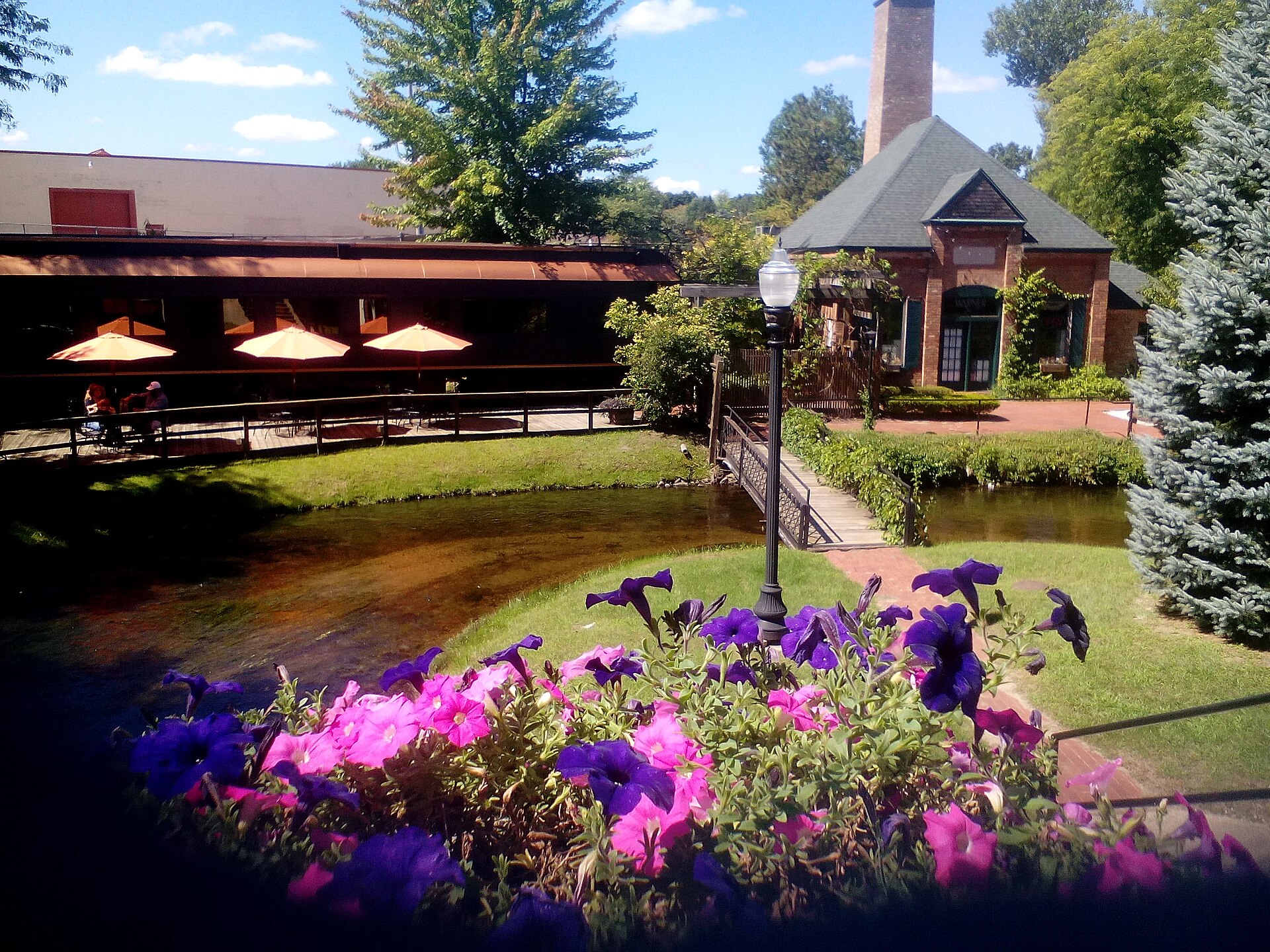
St. Julian Winery has remained continuously family-owned since Meconi's original 1921 founding, now operated by four generations of the same family, and it stands today as both the largest and the longest continuously operating winery anywhere in the state of Michigan. That century-long continuity, spanning Prohibition, two cross-border relocations, and a wartime rebrand forced by prejudice rather than business strategy, gives St. Julian a genuinely unusual corporate history compared to most American wineries of comparable scale.
Paw Paw's broader identity as a wine destination has grown up around St. Julian's long anchor presence, with the surrounding countryside's vineyards and additional area wineries drawing visitors specifically for wine tasting and vineyard tours, giving this modest Van Buren County seat a food-and-drink tourism economy considerably more developed than most comparably sized southwestern Michigan county seats can claim.