In This Guide
The World's Largest Weathervane A Lighthouse Turned Museum A Quieter Lake Michigan Beach Scene Duck Lake's Double ShorelineWhitehall and Montague face each other across White Lake, a drowned river-mouth lake connected to Lake Michigan by a short, navigable channel, and the two towns have functioned as a single tightly linked community for so long that most visitors treat the distinction between them as a technicality rather than a meaningful boundary. Together they anchor one of West Michigan's quieter lake resort areas, a region that trades the boutique density of Saugatuck or the crowds of Grand Haven for a considerably slower pace and a genuinely strange record-holding landmark that most first-time visitors do not see coming.
The World's Largest Weathervane
Rising from the White Lake channel between the two towns, a genuinely enormous weathervane, topped by a full-sized replica of a Great Lakes schooner, has long been recognized as the largest weathervane of its kind anywhere in the world, its arrow alone stretching to a scale that makes the whole structure visible from a considerable distance along the shoreline. Built in the 1980s as a civic landmark meant to give the twin towns a distinctive identity, the weathervane has more than accomplished that goal, becoming the area's most photographed feature and a reliable conversation starter for visitors who assumed, reasonably enough, that a functional weathervane this size was a logistical impossibility before seeing it in person.
The scale becomes considerably more impressive up close: the schooner mounted atop the structure is itself a substantial piece of ironwork, and the entire assembly genuinely does rotate with the wind, functioning as an actual weathervane rather than merely a fixed sculpture shaped like one.
A Lighthouse Turned Museum
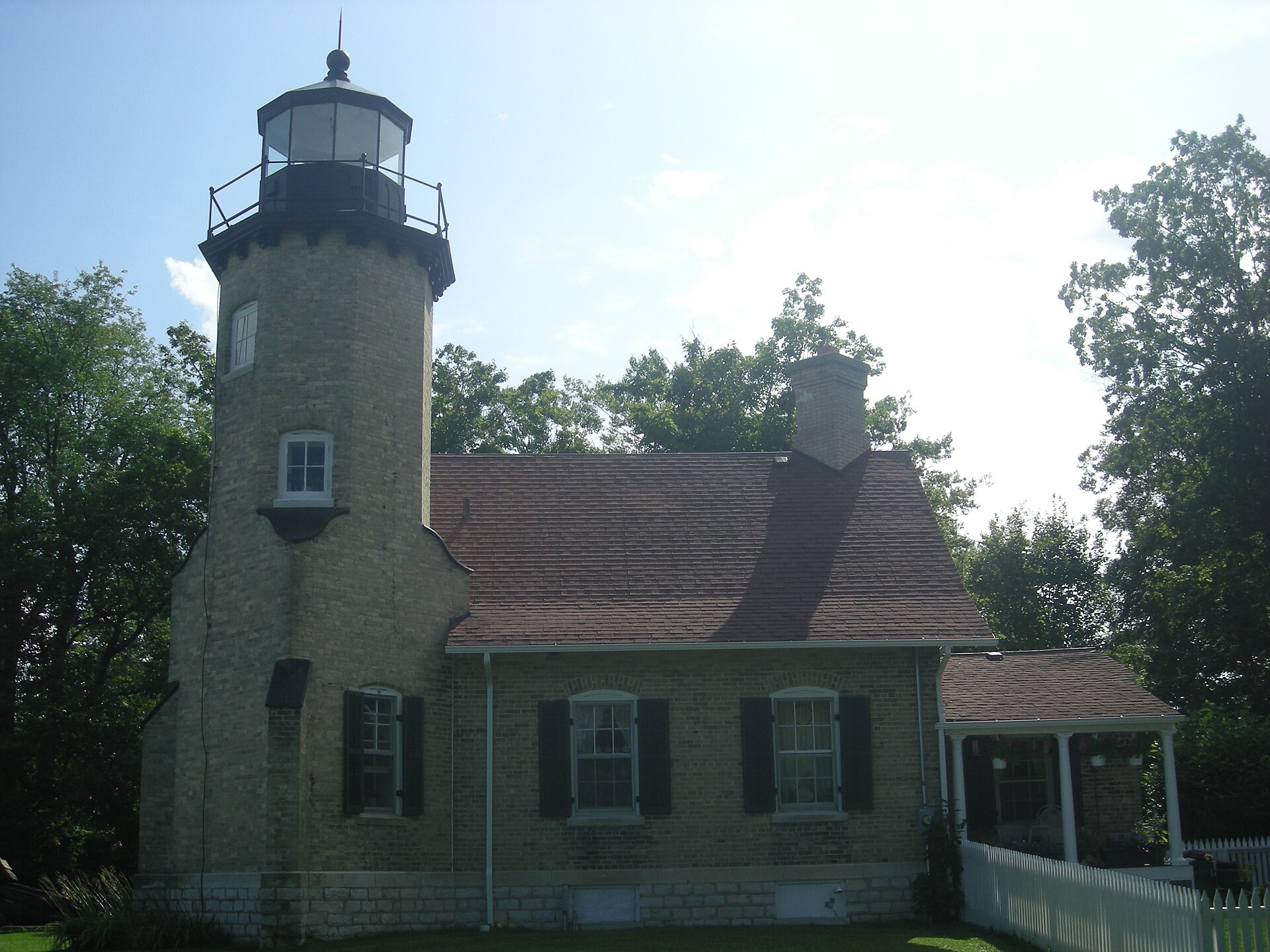
The White River Light Station, at the channel connecting White Lake to Lake Michigan, has been converted into a small maritime museum housed in the original 1875 keeper's residence, its collection focused on the area's considerable shipwreck history and the lifesaving stations that once dotted this stretch of coast to rescue sailors from the frequent wrecks. Climbing the tower rewards visitors with a sweeping view across the channel where White Lake meets Lake Michigan, a vantage point that makes clear just how narrow and navigationally tricky this passage once was for the schooners and steamers that depended on the light to find safe harbor after crossing open water.
A Quieter Lake Michigan Beach Scene
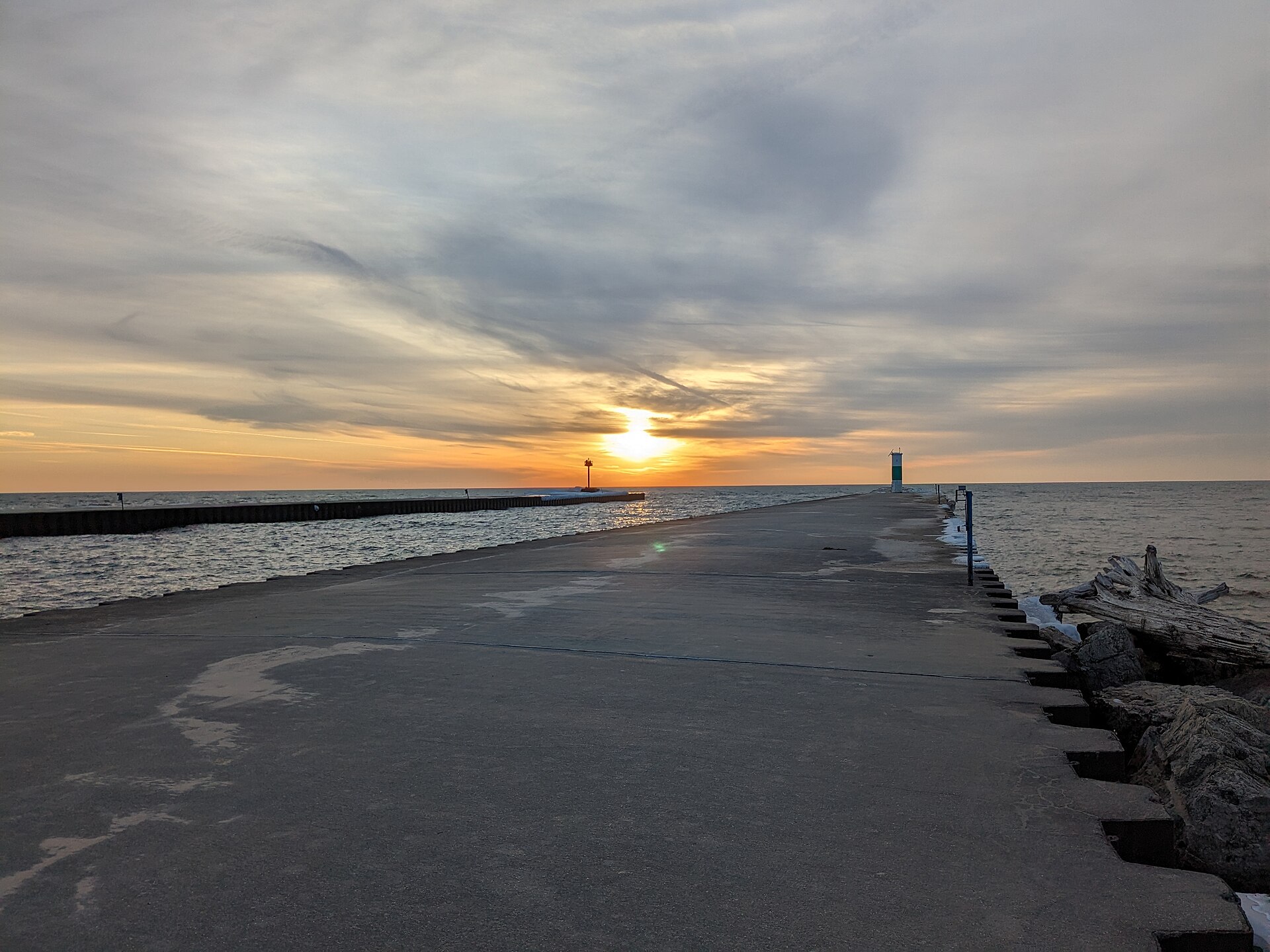
Because White Lake sits slightly inland from the open lake itself, the area's beach culture divides naturally between calmer, warmer swimming directly on White Lake and the more classic Lake Michigan surf-and-dune experience out at the channel mouth, giving visiting families a genuine choice depending on what kind of water they are in the mood for on a given afternoon. The relative lack of large-scale development around the lake, compared to more heavily built-up resort towns further south, has kept much of the shoreline in a genuinely rustic, cottage-lined state, appealing to visitors looking for a slower version of the classic West Michigan lake-town summer.
Duck Lake's Double Shoreline
A few miles south of Whitehall, Duck Lake State Park packs a genuinely unusual variety of shoreline into just under 730 acres, combining a half mile of open Lake Michigan beach with the calmer, warmer waters of Duck Lake itself, the two separated by little more than a dune ridge and connected by a shallow channel that lets water, and the occasional adventurous swimmer, pass between them. A boardwalk carries visitors safely over Scenic Drive between the two halves of the park, and roughly seven miles of natural-surface trail wind through a landscape that shifts between towering forested dunes, quiet pine plantations, and open meadow within the span of a single walk.
Because the park sits a bit off the main tourist circuit that runs through Whitehall and Montague proper, it tends to draw a quieter, more locally-known crowd than the beaches closer to the channel, making it a reliable choice for visitors hoping to find open sand even on a summer Saturday when the more famous beaches further south have long since filled their parking lots.