Midland sits along the Tittabawassee River in the middle of Michigan's Lower Peninsula, a city whose entire modern identity traces back to the brine wells beneath its own streets and the young chemist who figured out how to profitably extract value from them. What Herbert Dow started as a small-scale bromine extraction operation in 1890 eventually grew into one of the largest chemical companies in American history, and the wealth that company generated left Midland with a genuinely distinctive architectural legacy courtesy of the founder's own son.
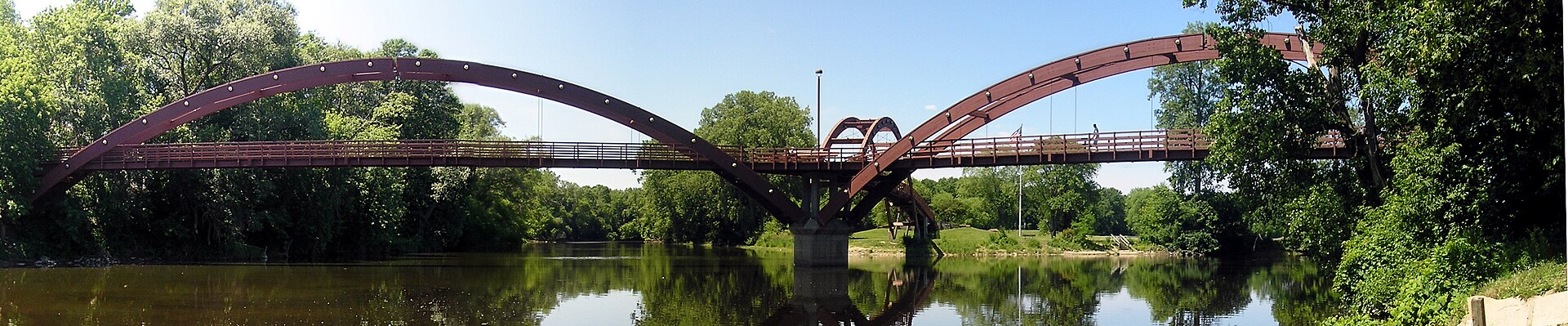
The Brine Wells That Built an Empire
Herbert Henry Dow first analyzed brine samples from wells around Midland as a college project at the Case School of Applied Science, discovering that the local brine contained small but commercially exploitable percentages of bromine in ionic form, a chemistry insight that would eventually reshape the entire town's economy. After an earlier business venture failed, Dow relocated to Midland in 1890 and organized the Midland Chemical Company, extracting bromine from the local brine through electrolysis powered by a secondhand fifteen-volt generator turned by the steam engine of a rented flour mill, a genuinely improvised setup for what would become a major American industrial enterprise.
Dow founded the Dow Chemical Company in 1897 to supplement his earlier Midland Chemical Company and Dow Process Company ventures, eventually merging the older operation into the new one in 1900, and over the following three decades he personally accumulated 107 patented inventions before his death in 1930, expanding the company's product lines and industrial footprint far beyond its original bromine extraction business. The Dow Chemical Company remains headquartered in Midland to this day, its continued presence anchoring the local economy across more than a century of continuous operation.
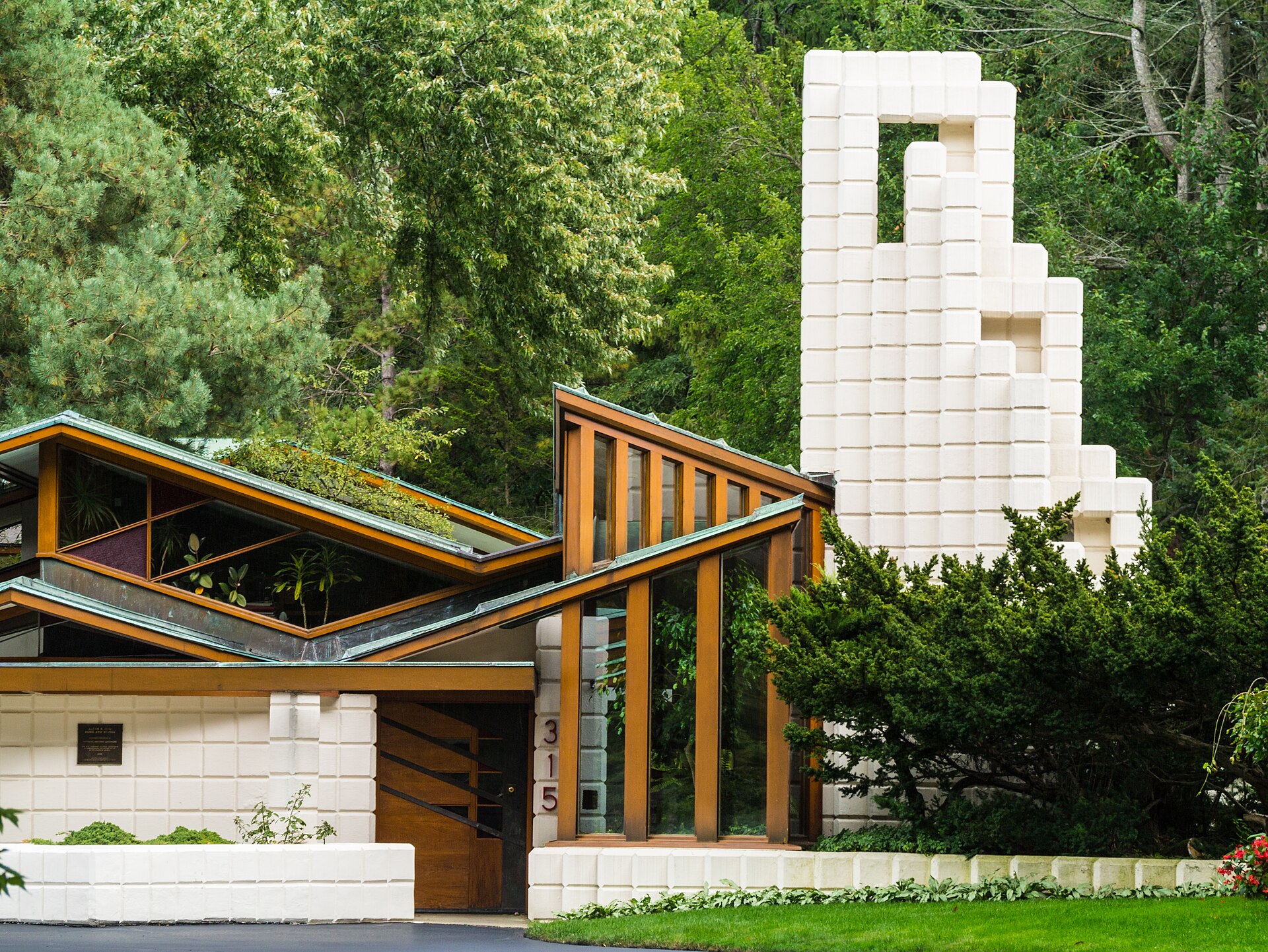
Dow's Architectural Legacy
Herbert Dow's son Alden B. Dow, born in Midland in 1904, became a nationally recognized architect in his own right, working in a distinctive style closely associated with the broader Michigan Modern design movement and leaving an unusually concentrated cluster of his work scattered across his own hometown. The Alden Dow House and Studio, his personal residence and workspace, stands as one of his signature achievements, alongside his design contributions to the Midland Center for the Arts and the Grace A. Dow Memorial Library, named for his mother.
That concentration of significant twentieth-century architecture within a single mid-sized Michigan city gives Midland a genuinely distinctive visual identity beyond its chemical-industry reputation, the same Dow family wealth that built one of America's largest chemical corporations having also funded a considerable share of the city's most architecturally significant public buildings.