Flint's identity is inseparable from the automobile industry that built it: General Motors was founded here in 1908, and for the better part of a century the city's fortunes rose and fell almost exactly in step with the fortunes of Buick and Chevrolet manufacturing, a dependence that generated enormous wealth during the industry's peak decades and left equally enormous challenges once that manufacturing base contracted in the decades since. Flint's more recent history, including a genuinely serious public health crisis over its municipal water supply, has understandably dominated its national reputation in recent years, but the city retains a cluster of cultural institutions, built during its wealthiest era, that remain considerably more substantial than most cities Flint's current size can typically sustain.
The Birthplace of General Motors
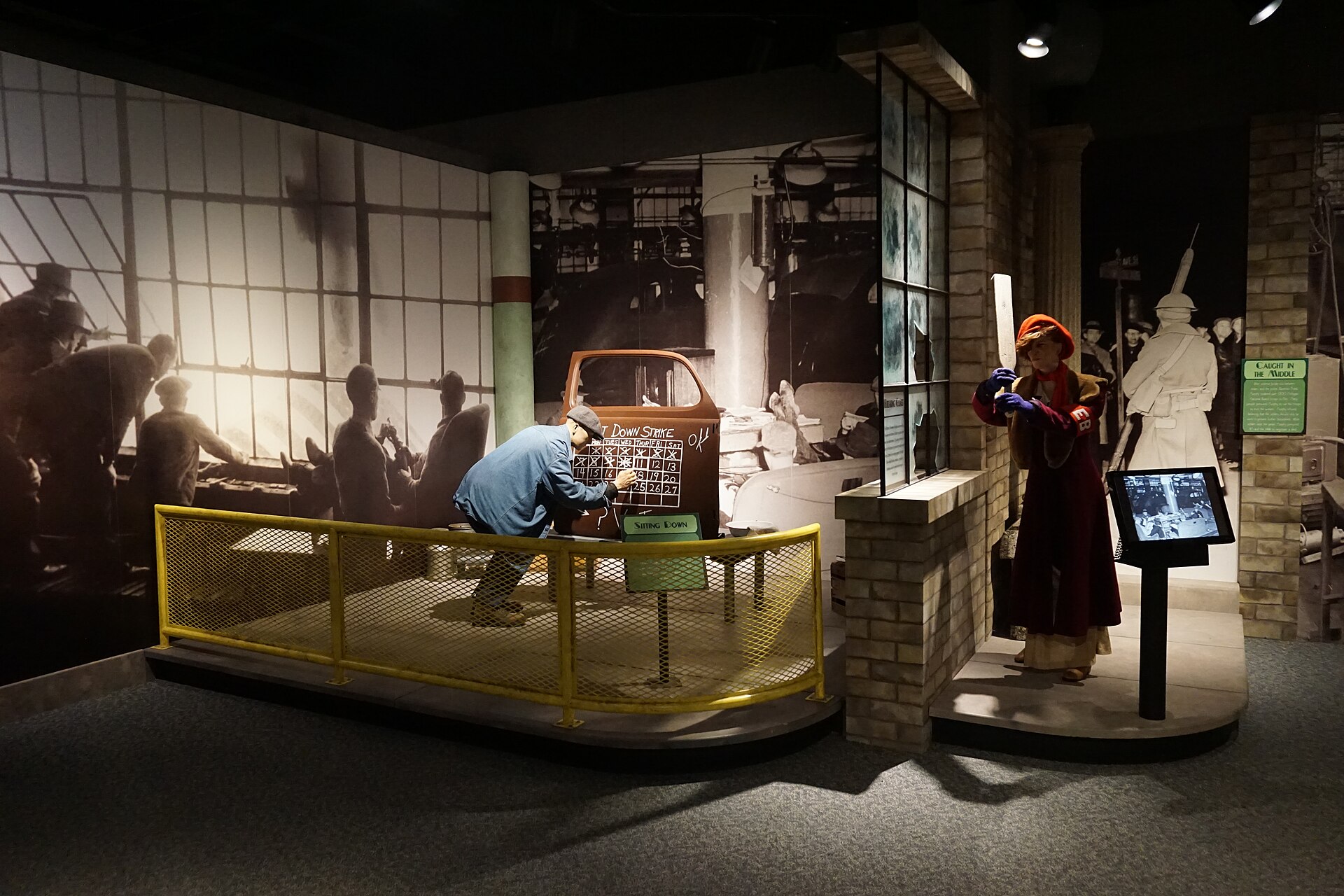
William C. Durant founded General Motors in Flint in 1908, consolidating Buick with a growing collection of other automakers into what would eventually become one of the largest corporations in American history, and the city's Buick City manufacturing complex grew, at its peak, into one of the largest industrial employment sites in the country, employing tens of thousands of workers across a sprawling campus of interconnected factory buildings. The 1936-37 Flint Sit-Down Strike, in which United Auto Workers members occupied GM's Flint plants for forty-four days, stands as one of the pivotal moments in American labor history, ultimately forcing GM to recognize the UAW as a legitimate bargaining unit and setting a template for organized labor's rise across the entire American manufacturing sector for decades afterward.
That manufacturing base has contracted dramatically since its mid-twentieth-century peak, and Flint's population and economy have both shrunk considerably as a result, a decline that forms the backdrop for much of the city's more recent, more difficult history, even as the automotive legacy itself remains a genuine and significant chapter of American industrial history worth understanding on its own terms.
A Cultural Center Built on Automotive Wealth
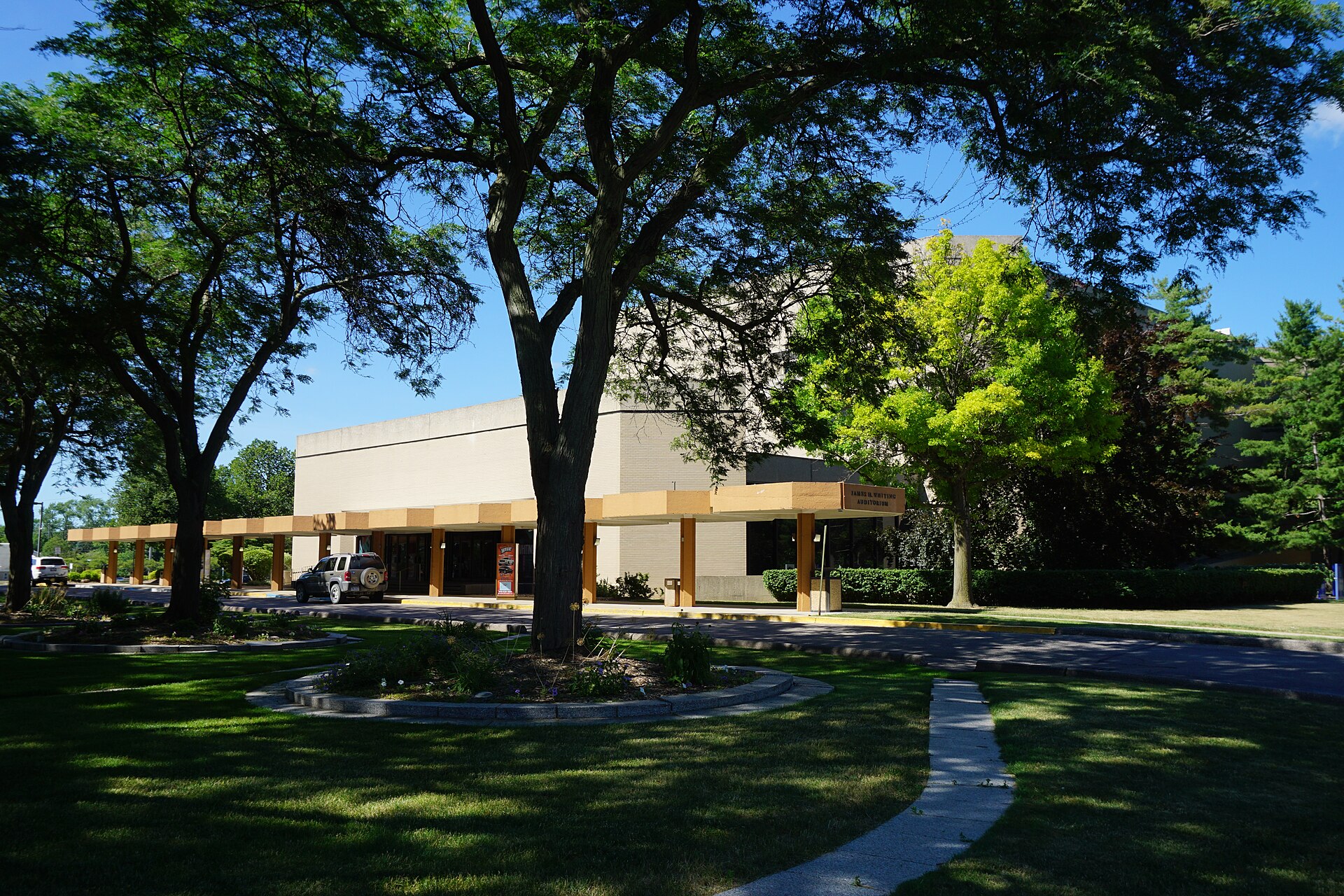
The Flint Cultural Center, developed substantially through the philanthropy of General Motors founder Charles Stewart Mott and his family foundation, concentrates a genuinely remarkable cluster of institutions within a few blocks of each other: the Sloan Museum, tracing the city's automotive and cultural history in detail; the Flint Institute of Arts, whose permanent collection is considerably more substantial than most cities of Flint's current size are able to sustain, with particular strength in American and European painting; and a planetarium, theater, and public library rounding out a campus that reflects just how much wealth Flint's automotive boom generated at its peak.
Mott's own estate, Applewood, has been preserved and opened for tours, offering a look at the domestic side of the same industrial fortune that funded the cultural center a short distance away, its gardens and orchards maintained much as they were during the family's residence and offering a quieter counterpoint to the museum-going experience nearby.