In This Guide
Two Lakes and the Canal Between Them Caberfae Peaks Trails in Every Direction Warm-Weather CadillacCadillac sits between two lakes joined by a quarter-mile canal, with a ski hill fifteen minutes west and roughly a million acres of national forest spreading out around it. That combination makes it one of the few places in Michigan with a genuine claim to being a four-season destination rather than a summer town that endures winter — the same trail networks carry hikers and mountain bikers from spring through autumn and cross-country skiers and snowmobilers after the snow arrives, and the lakes that hold boats in July hold ice shanties in January. Very little of it requires driving more than thirty minutes from downtown.
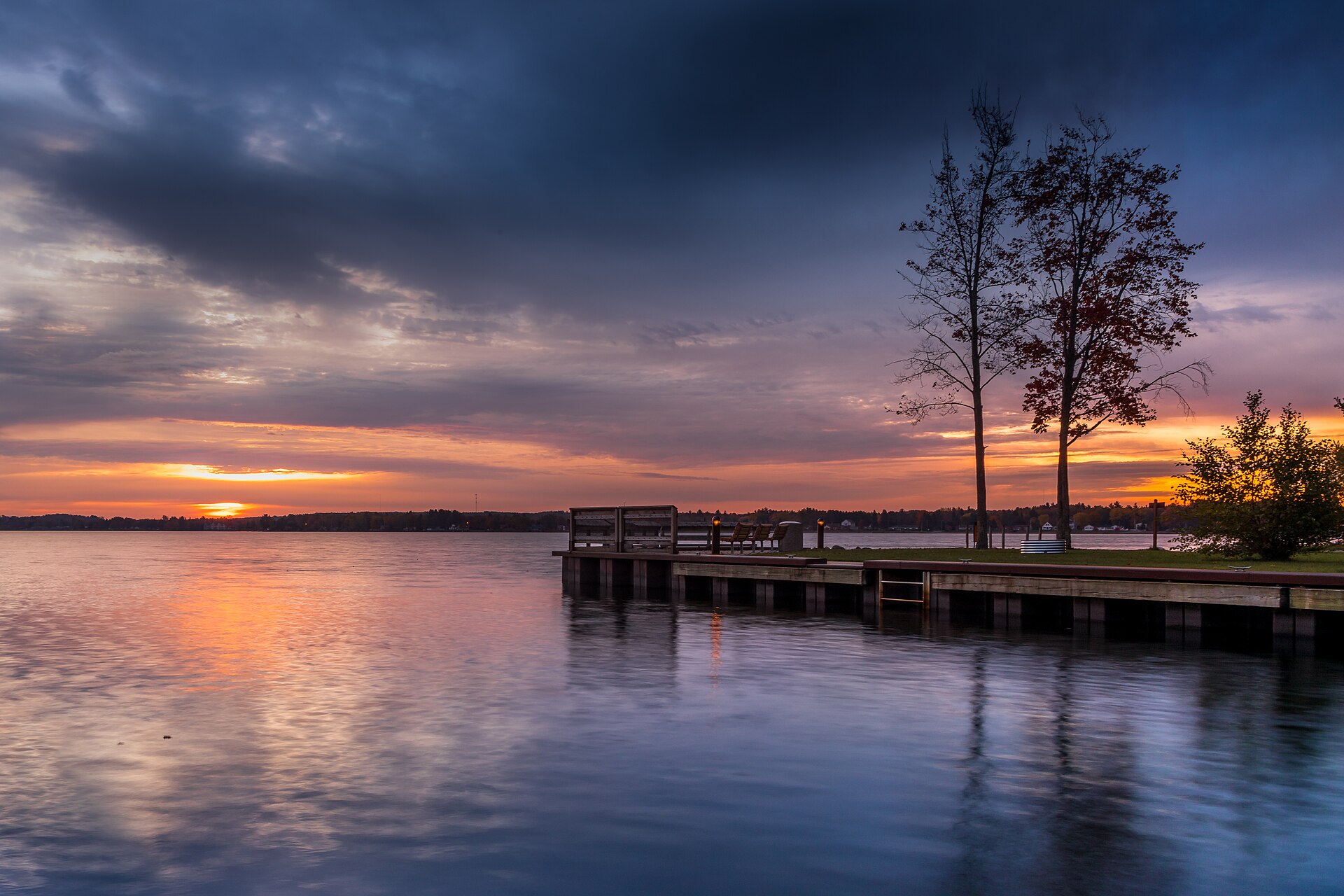
Two Lakes and the Canal Between Them
The city sits on the shore of Lake Cadillac, and the Clam Lake Canal — a quarter-mile channel running through the middle of a city park — connects it to the larger Lake Mitchell just west. The arrangement is unusual and practical: boaters can move between the two lakes without trailering, effectively doubling the available water from either launch, and the canal itself has become a destination rather than merely a connection. Anglers work it for panfish and walleye, and its sheltered, slow-moving water makes it a calm place to paddle when wind makes the open lakes uncomfortable.
The two lakes have different characters worth understanding before choosing where to spend a day. Lake Cadillac is the more developed, sitting directly against the city with the shoreline park, downtown access, and the amenities that come with being in town. Lake Mitchell is larger and quieter, with more undeveloped shoreline. In winter both freeze hard enough to support a serious ice-fishing culture, and the shanty towns that appear on them are a genuine regional tradition rather than a novelty for visitors.
Caberfae Peaks
Downhill skiing in the Lower Peninsula is a modest proposition by mountain standards, and Caberfae Peaks — about fifteen minutes west of town — is honest about what it is: five lifts and twenty-seven slopes on terrain that will not intimidate anyone who has skied out west, but which delivers a real day on snow without a plane ticket. For families teaching children, for skiers who want a weekend rather than an expedition, and for anyone in the southern half of the state looking for the closest genuine hill, it does the job well.
The area operates through the winter season and the surrounding country supports the rest of the cold-weather roster: cross-country skiing, snowmobiling on an extensive marked trail network, ice fishing on both lakes, and lantern-lit hikes that have become a local winter fixture. Cadillac's position — far enough north for reliable snow, close enough to Grand Rapids and points south for a manageable drive — is the reason it functions as a winter destination at all, and the town does not shut down in the cold months the way many northern communities do.
Trails in Every Direction
The trail inventory around Cadillac is the strongest argument for basing here. More than a hundred miles of mapped trails wind through the surrounding woodlands, which form part of the nearly one million acres of national forest in this part of the state — country that is genuinely large enough to absorb a week of exploring without repetition. The MacKenzie Trail, in the foothills below Caberfae Peaks, covers about ten miles of multi-season terrain used by hikers and mountain bikers in the warm months and skiers once snow falls.
The most significant route is the Fred Meijer White Pine Trail State Park, among the largest rail-to-trail conversions in Michigan at roughly ninety-two miles, running south from Cadillac to Comstock Park on the northern edge of Grand Rapids. It opened in 1995 and follows the bed of the Grand Rapids and Indiana Railroad, passing through some fifteen towns and cities along the way. Railroad grades are gentle by nature, which makes this approachable for casual cyclists rather than the preserve of the very fit, and much of the route is paved. The length means a rider can take on an hour or a multi-day tour depending on ambition — riding out from Cadillac and arranging a pickup somewhere south is a satisfying way to spend a day.
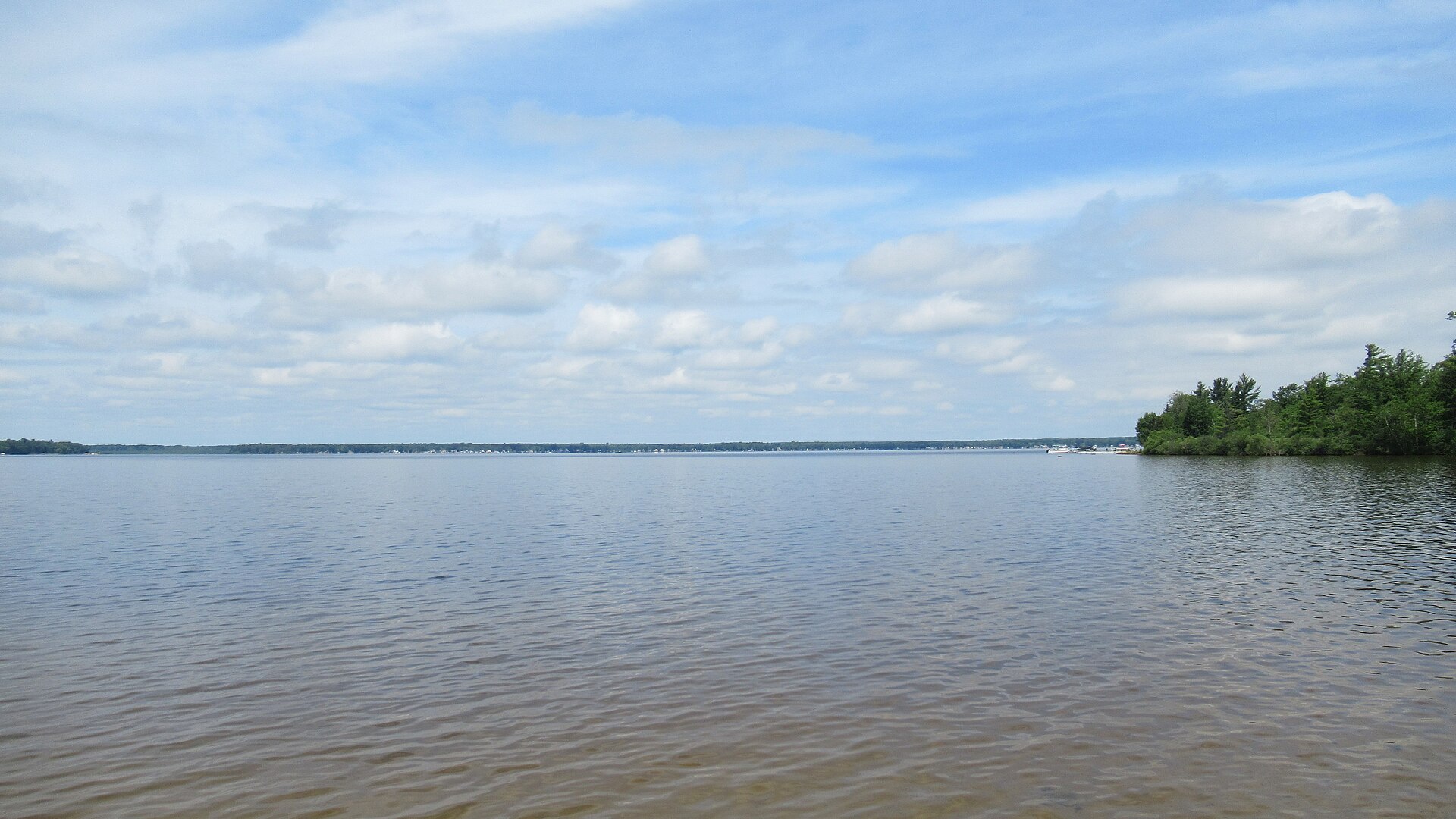
Warm-Weather Cadillac
Summer shifts the emphasis to the water and the forest. Both lakes support the full range of boating, swimming, paddling, and fishing, and the canal gives access to either from a single launch. Golf is available in the area, off-road vehicle riding has designated routes through the surrounding forest land, and the hiking and mountain biking networks that carry skiers in winter are at their best from late spring through the autumn color season.
That seasonal versatility is the practical case for Cadillac over more famous northern Michigan destinations. Traverse City and Petoskey are busier, more expensive, and more heavily oriented toward a summer season; Cadillac is smaller and less polished but genuinely usable year-round, and lodging is easier to secure at short notice. For a family that wants water in July and a ski hill in February from the same familiar base, there are not many better options in the Lower Peninsula.