In This Guide
Interlochen State Park and the Pines That Were Saved Interlochen Center for the Arts Les Préludes and Other Summer Traditions Lakes, Trails, and Day Trips Nearby Planning Your Interlochen VisitBetween two glacial lakes southwest of Traverse City, the little community of Interlochen has managed a feat few places of any size can claim: it is internationally known for music, theater, dance, and visual art while remaining, at heart, a village in the pines. Its name, blended from the Latin inter and the Scottish Gaelic lochan, means between the lakes, a literal description of its setting on the isthmus between Duck Lake and Green Lake. Each summer, young artists arrive at Interlochen Center for the Arts for intensive camp sessions, and their performances fill the woods with orchestral thunder and jazz improvisation. A few steps away lies one of Michigan's most historic state parks, a sanctuary of towering pines saved from the lumberman's saw more than a century ago. Visitors can spend a morning swimming in a clear lake and an evening at a concert beneath the trees. This guide explains how to enjoy both sides of Interlochen.
Interlochen State Park and the Pines That Were Saved
Interlochen's story begins with timber. Around 1889 and 1890, two railroads pushed into the area to haul logs, and the surrounding forests fell quickly, but the Buckley and Douglas Lumber Company set aside a stand of virgin pines between the lakes as a public retreat called Pine Park, as recounted in Interlochen's own history of the area. When locals feared that the grove would eventually be cut, they lobbied the legislature, which in 1917 spent $60,000 to purchase and preserve the property. That purchase created what is now Interlochen State Park, widely described as the first state park created by the State of Michigan itself; Mackinac Island, a former national park, had joined the state's care earlier, in 1895. Today the park remains one of the few easily reached places in Michigan where old-growth red and white pine can still be admired. Walking among those massive trunks is a humbling reminder of what the northern forests once looked like. Find a bench beneath the canopy and simply listen to the wind moving through the crowns.
The park packs an impressive range of activities onto its isthmus, including swimming beaches, boat launches, year-round fishing, picnic grounds, and a large campground with both traditional sites and rentable rustic cabins, as summarized on Wikipedia's park entry. A park store known as The Lodge stocks camping essentials, and the DNR's Explorer Guide program offers seasonal outdoor activities for families. Because the park borders the arts campus, it is an especially convenient base for concertgoers, a combination few campgrounds anywhere can match. Summer weekends book up early through the Michigan state park reservation system, so plan months ahead if your dates coincide with major concerts. Each lake has its own personality, and anglers and paddlers enjoy exploring both. Either way, a sunset swim followed by a campfire under the pines is the quintessential Interlochen evening.
Interlochen Center for the Arts
The arts campus traces its origins to 1928, when the music educator Joseph E. Maddy founded the National High School Orchestra Camp beside the state park, building on a national ensemble of high school musicians he had assembled for a 1926 conference in Detroit. The camp grew into today's Interlochen Center for the Arts, a 1,200-acre campus that encompasses Interlochen Arts Camp, the year-round Interlochen Arts Academy boarding high school founded in 1962, adult programs, and a public radio network. The academy was the first school of its kind in the United States to combine college-preparatory academics with conservatory-level arts training. Over the decades the camp expanded beyond instrumental music into theater, dance, and other disciplines, and campers still wear the traditional uniform of navy pants and light blue shirts. Walk the campus during the summer session and you will hear practice rooms spilling scales into the pine-scented air. Interlochen Public Radio, founded in 1963 and a charter member of NPR, carries much of that music to listeners across northern Michigan.
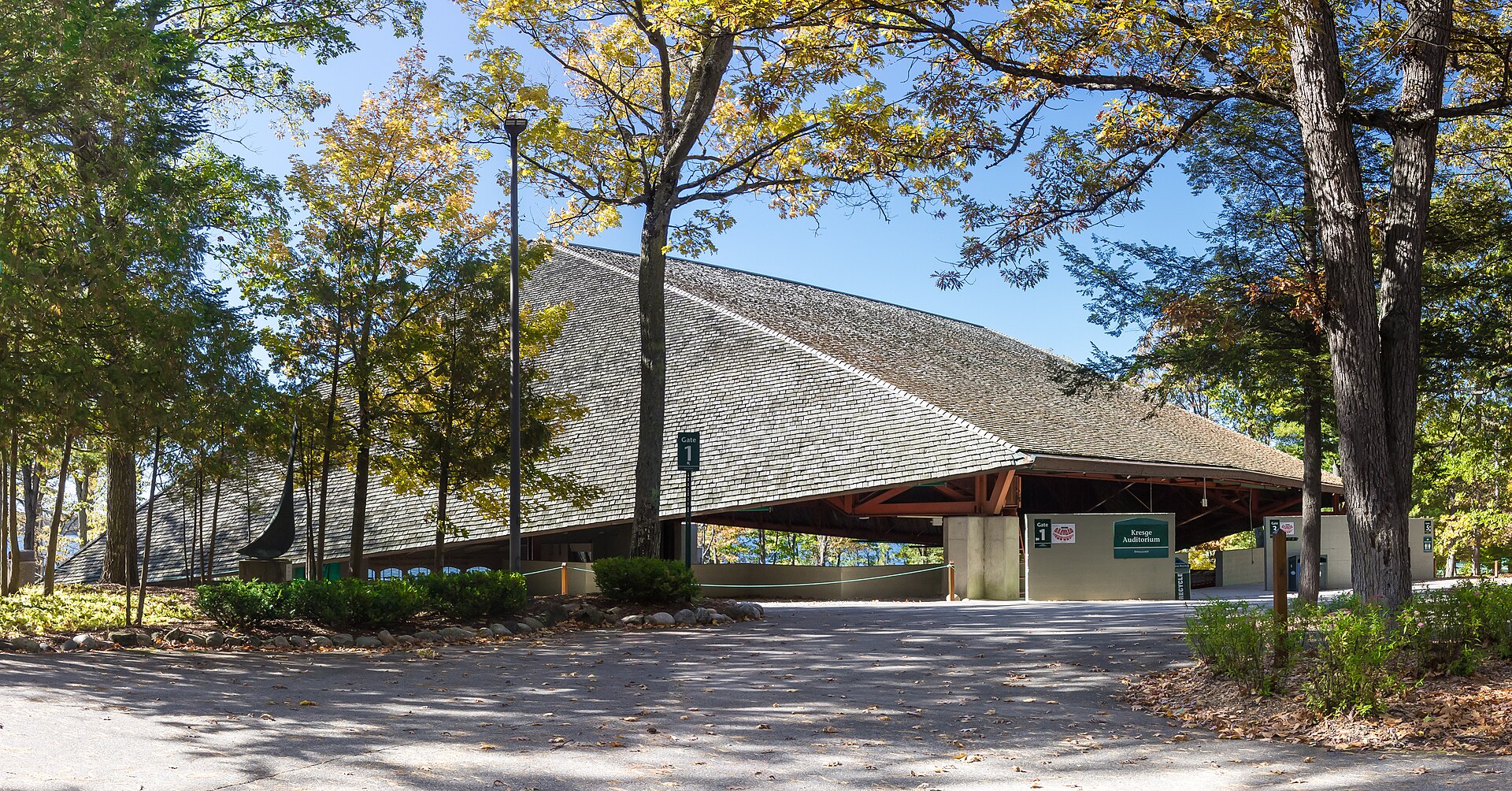
Visitors are welcome to experience the campus through its public performances. The Interlochen Arts Festival, founded in 1964, draws more than forty-five thousand patrons each summer to concerts by student ensembles, faculty, and touring headliners, with ticket proceeds supporting scholarships for students with financial need. The largest venue, Kresge Auditorium, seats nearly four thousand on the lakeshore, its open sides letting lake breezes cool the audience during summer concerts. Other stages include the historic Interlochen Bowl, which dates to 1928, and the indoor Corson Auditorium, opened in 1975. Hearing a youth orchestra tackle a romantic symphony with the conviction of seasoned professionals is an experience that stays with visitors long after the final chord. Check the festival schedule well in advance, because popular headliners can sell out.
Les Préludes and Other Summer Traditions
No Interlochen tradition carries more emotional weight than Les Préludes. At the close of the very first camp season in 1928, Maddy chose Franz Liszt's symphonic poem as the final work on the closing concert, and it has ended the summer nearly every year since, as Interlochen explains in its season-closing announcements. The performance unites the camp's high school orchestras and wind ensemble in the Interlochen Bowl, with dancers from the summer dance ensemble filling the aisles and even the roof of the venue. Maddy saw the title, which means the beginnings, as a reminder that the end of camp marks the start of the next stage in each young artist's journey. The concert is free and does not require tickets, and the 2026 performance was also webcast and broadcast on Classical IPR, according to the event listing for the 99th annual Les Préludes. Arrive early, because the best seats fill well before the downbeat.
Beyond the grand finale, the summer is studded with smaller moments worth seeking out. The Interlochen Shakespeare Festival, launched in 2008, stages one play each season on an outdoor stage, with recent productions including The Comedy of Errors, Measure for Measure, and A Midsummer Night's Dream. The Walter E. Hastings Museum, opened on campus in 1956, preserves the photographs and natural history collections of a naturalist who documented the land around Interlochen. Regional outlets such as 9&10 News cover each season's classical lineup, which recently featured conductors such as JoAnn Falletta and Keitaro Harada leading the World Youth Symphony Orchestra. Visitors should remember that the campus is a working school with young residential students, so stay in public areas and review Interlochen's campus visit information before you go. Arriving early for a performance leaves time to wander and absorb the creative energy that defines the place.
Lakes, Trails, and Day Trips Nearby
Interlochen's location makes it an excellent hub for exploring northwest Lower Michigan. Traverse City, with its beaches, restaurants, and Grand Traverse Bay waterfront, is roughly ten miles to the northeast. The dunes and beaches of Sleeping Bear Dunes National Lakeshore lie within an easy drive to the west, and the National Park Service's Sleeping Bear site outlines everything from the Dune Climb to the scenic drive covered in our Pierce Stocking Scenic Drive guide. Interlochen itself sits within the watershed of the Betsie River, which winds west toward Lake Michigan through some of the region's quietest country. Within the surrounding Pere Marquette State Forest, pathways invite hiking, mountain biking, and cross-country skiing. With so many lakes in the area, you could swim in a different one every day of a week-long stay.
Fishing is a year-round pursuit on Green and Duck lakes, and the state park's launches give anglers direct access to the water. In winter, quiet roads and trails attract cross-country skiers and snowmobilers, while the pines take on a hushed, snow-laden beauty. For a broader view of the region's natural attractions, Traverse City Tourism lists trails, beaches, and seasonal events across Grand Traverse County. The hills of Benzie County, home to Beulah and its famously clear Crystal Lake, hold additional hiking and paddling options, and the Grand Traverse Regional Land Conservancy manages natural areas across the region that are open to the public. Autumn color typically arrives in late September and October, when the hardwoods between the lakes glow orange and gold. It is easy to see why Interlochen lingers so long in visitors' memories.
Planning Your Interlochen Visit
Summer is Interlochen's signature season, running from late June into August while the arts camp is in session and the festival calendar is at its fullest. Lodging ranges from the state park campground to cottages and motels around the lakes, with a much wider selection in Traverse City, roughly twenty minutes away. The Interlochen events calendar lists performances throughout the year, while the Interlochen Area Chamber of Commerce covers local businesses and community events. Bring a light jacket for evening concerts, since temperatures drop quickly beside the lakes once the sun sets. If you are attending a ticketed show, arrive early to find parking and settle in. The combination of world-class performance and genuine northwoods surroundings is rare, and it deserves an unhurried pace.
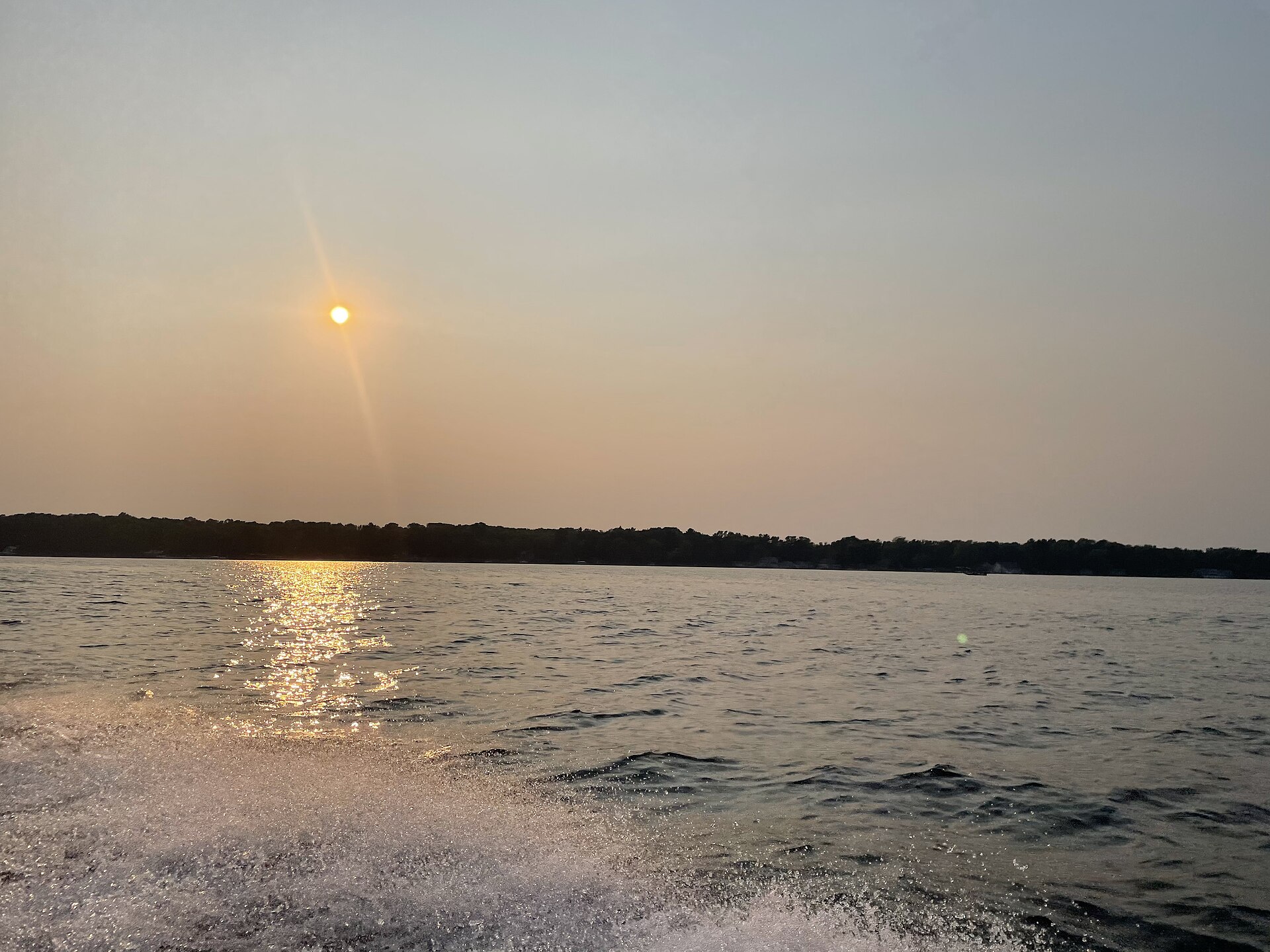
Families might structure a three-day stay around a morning swim at the state park, an afternoon in Traverse City, and an evening concert at Kresge Auditorium, followed by a day at Sleeping Bear and a final morning walking among the old pines. Couples and solo travelers can lean into the cultural calendar, pairing student recitals with dinner in town and a sunset over Green Lake. Off-season visitors will find Interlochen far quieter, though the Arts Academy's school-year performances continue, and Interlochen Public Radio makes a fine companion for the drive north with its classical and news services. For more on the station's past, see Wikipedia's Interlochen Public Radio entry, which traces the station's roots in the camp's early broadcasts. Whatever your interests, give yourself time to sit beneath the pines and listen, whether to an orchestra or to the wind in the treetops. That balance of art and nature is Interlochen's enduring gift.