In This Guide
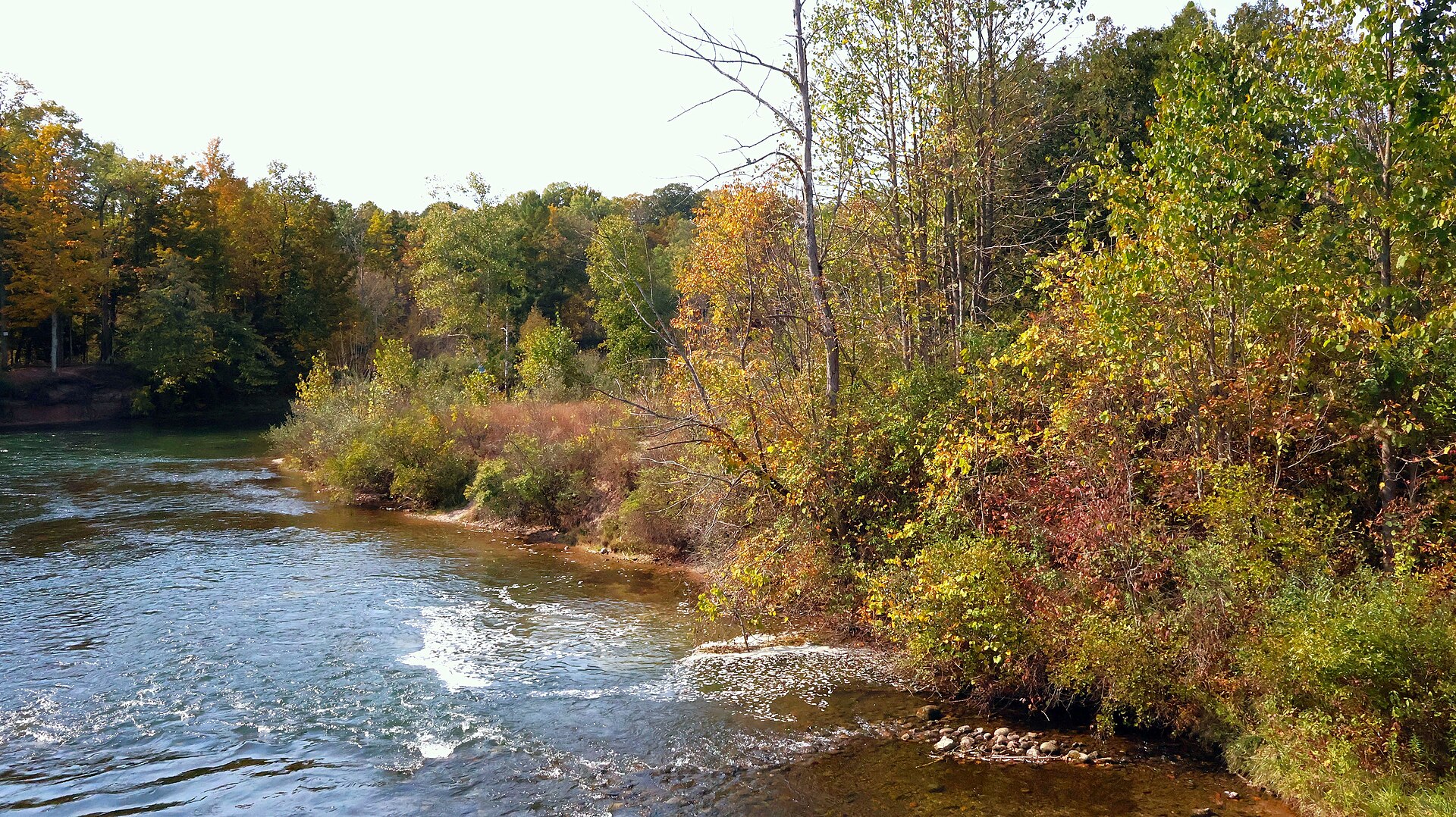
Why the Salmon Stop at Tippy Dam When to Go: Reading the Fall Run The Recreation Area, Campground, and River Access Michigan's Largest Bat Colony Fall Color Hikes and Planning Your TripEvery autumn, a quiet stretch of the Manistee River in the national forest east of Manistee becomes one of the busiest fishing spots in Michigan. Below Tippy Dam, a hydroelectric dam built in 1918, king salmon that can weigh well over twenty pounds push upriver from Lake Michigan until the concrete wall stops them, and anglers line the banks shoulder to shoulder to meet them. The scene is part sporting event, part natural spectacle, and part community gathering, with campfires in the campground and a fall food concession by the river. The surrounding Tippy Dam Recreation Area, managed by the Michigan Department of Natural Resources, adds a year-round campground, trails, and an accessible fishing pier. Even if you never cast a line, the combination of leaping fish, autumn color, and the river's broad riffles makes Tippy Dam a memorable October stop. This guide explains when to go, what to expect, and what else to see along the Big Manistee.
Why the Salmon Stop at Tippy Dam
Salmon are not native to Lake Michigan; they are the product of a bold stocking program that reshaped Great Lakes fishing in the 1960s. Large-scale coho stocking began in 1966 with hundreds of thousands of fingerlings released into Lake Michigan, as Wikipedia's coho salmon article recounts, and Chinook, or king, salmon followed and became prized by anglers for their size and fight. Each fall, mature fish return to the rivers where they were stocked or born to spawn, and on the Manistee their upstream journey ends at the dam about twenty miles from the river's mouth. The Chinook salmon article on Wikipedia explains that, despite decades of stocking, Chinook have not become a fully self-sustaining species in the Great Lakes. That makes every run something of a managed miracle, the payoff of hatcheries, habitat work, and careful regulation. At Tippy, the result is a concentration of big fish in a stretch of river easy for the public to reach.
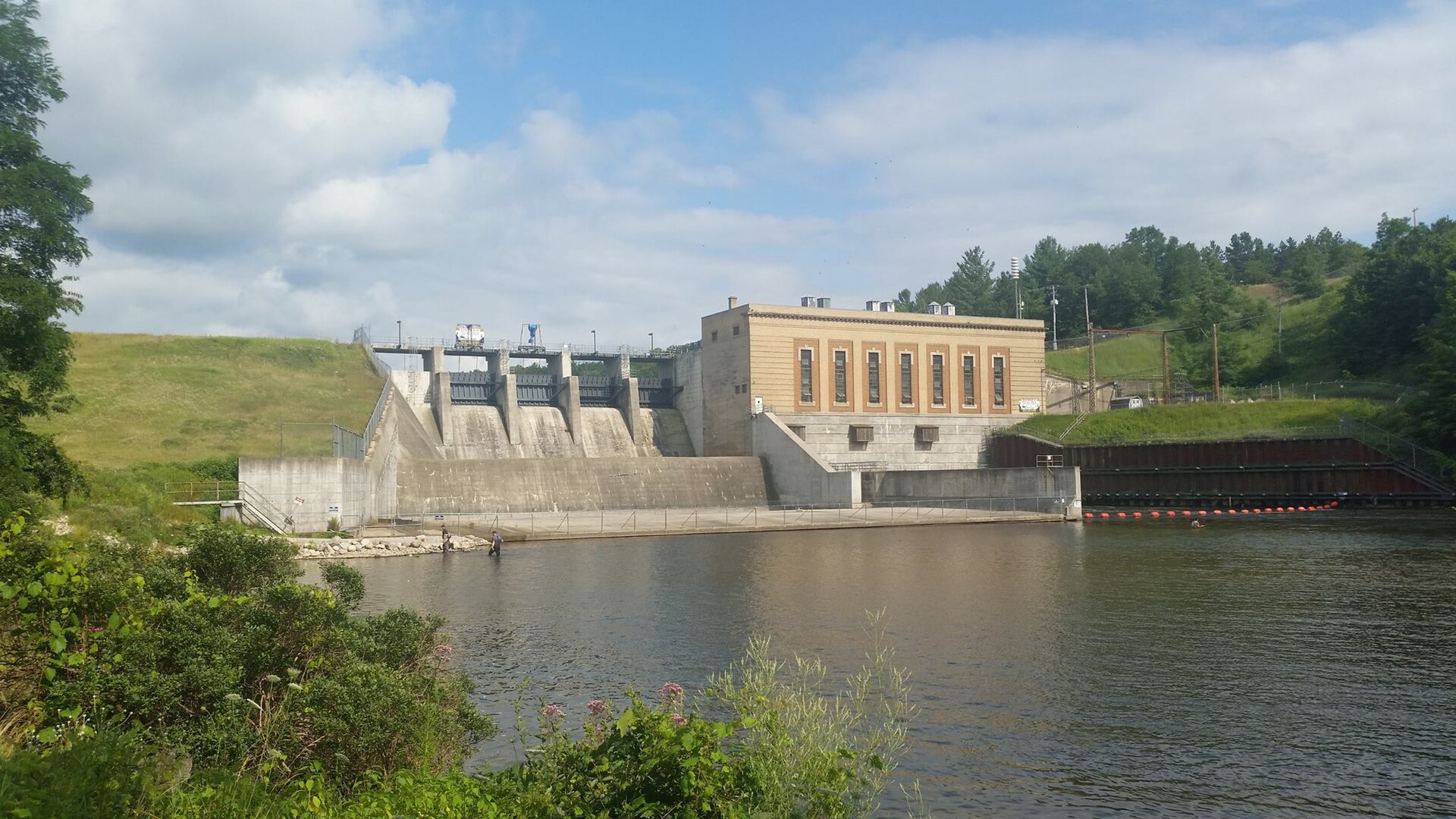
The dam itself is part of the story. Originally named Junction Hydro, it was renamed to honor Charles W. Tippy, a member of the Consumers board of directors, and generates about 20,000 kilowatts, according to Wikipedia's Tippy Dam article. Below it, the river enters a stretch designated a National Wild and Scenic River on March 3, 1992, a 26-mile recreational segment running from the DNR boat ramp below the dam to the M-55 bridge, as the National Wild and Scenic Rivers System page for the Manistee details. That listing cites the river's outstanding fishery for steelhead, Chinook, and coho, along with brown trout, smallmouth bass, and walleye. The same corridor is described as the most extensive, least disturbed remnant of red-shouldered hawk habitat in Michigan. In other words, the salmon are only the most visible part of a remarkably rich river.
When to Go: Reading the Fall Run
The fall salmon run on the Big Manistee typically builds through September and into October, but the timing shifts from year to year with water temperatures, rain, and wind. In 2026, warm water kept many salmon offshore through September, and the DNR's Weekly Fishing Report for September 30 described slow salmon fishing around Manistee, with a few fish caught near the pierheads and in Manistee Lake. Cooler nights and autumn rains usually trigger the push upriver, which is why seasoned anglers watch forecasts as closely as they watch the water. Kings usually lead the way, with coho often arriving a little later in the season. Before you drive, check the latest DNR weekly fishing report and call a local bait shop for current conditions. A little homework can be the difference between an empty river and a memorable day.
Expect company. During the peak of the run, anglers stand shoulder to shoulder below the dam, and weekend mornings draw the biggest crowds, as Wikipedia notes. Etiquette matters in tight quarters: keep your line in your lane, help neighbors land fish when asked, and give space to anyone fighting a big king downstream. Wading can be treacherous where the current is strong, so waders with a belt, studded boots, and a wading staff are wise, and children should stay well back from the water. Michigan's fishing licenses, seasons, and rules for salmon rivers are explained on the DNR fishing page, so read up before you go. Spectators are welcome too, and watching a twenty-pound fish thrash in the riffles is thrilling even from the bank. Just mind the hooks, which fly freely when the action heats up.
The Recreation Area, Campground, and River Access
The DNR's Tippy Dam Recreation Area sits on both the river below the dam and the backwater above it, and it is built around fishing. Facilities include a rustic campground open all year, a rustic cabin, trails, an accessible fishing pier near the parking lot, two boat launches, and a fish-cleaning station, with a food concession operating by the river in the fall. A Michigan Recreation Passport is required for vehicle entry, as at all state parks and recreation areas. The river access is also listed on the How's Your River access directory, which is helpful for paddlers and drift-boat anglers planning a float downstream. Drift boats are a common sight on the Big Manistee in fall, carrying anglers to quieter runs below the crowds at the dam. Paddlers should be confident in moving water and give anglers a wide berth.
The surrounding land is part of the Huron-Manistee National Forests, which together cover a vast swath of the northern Lower Peninsula and offer campgrounds, trails, and dispersed camping. The nearest community is tiny Wellston, an unincorporated community in the national forest just off M-55, about 21 miles east of Manistee and 29 miles west of Cadillac. The nearby village of Brethren is similarly small and welcoming. Services are limited, so arrive with groceries, firewood, and fuel. The quiet, dark nights in the forest are part of the appeal. On a clear October evening, the stars over the Manistee are something to see.
Michigan's Largest Bat Colony
Tippy Dam holds a surprising secret inside its spillway: thousands of hibernating bats. Retired Eastern Michigan University biologist Allen Kurta has counted around 20,000 bats in the dam's chambers, making it the largest hibernating bat colony in Michigan, as Interlochen Public Radio reported. The spillway's hollow chambers stay within a few degrees of the river water's temperature, remaining just above freezing and humid all winter, conditions that mimic a natural cave. In autumn the bats gather at the dam before settling in for hibernation, which is when researchers study them. Visitors should not attempt to enter the structure, but it is fascinating to know that a vital wildlife refuge sits right beside the fishing crowds. Northern Express's feature on the colony describes how the dam's unusual design created this unlikely sanctuary.
The colony has drawn national attention because of white-nose syndrome, a fungal disease that has devastated bats across eastern North America. The fungus has been found at Tippy Dam, yet the bat population there has remained stable, a mystery researchers are working to understand, as Bridge Michigan explored. The dominant species is the little brown bat, whose numbers have fallen by more than 90 percent elsewhere because of the disease, according to Interlochen Public Radio. That makes Tippy one of the most important bat sites in the region. On a mild early-autumn evening, you might spot bats flitting over the water as daylight fades. It is a reminder that the dam supports far more life than the salmon alone.
Fall Color Hikes and Planning Your Trip
Upstream from Tippy, the Manistee River corridor offers one of the best fall hikes in the Lower Peninsula. The Manistee River Trail follows the east bank of the river for 11 miles between the Red Bridge River Access and Seaton Creek Campground, and two connector trails link it to the North Country National Scenic Trail to form a popular 23-mile loop. Many backpackers split the loop over two days, camping on high bluffs above the river, while day hikers can sample a few miles from either trailhead. Peak color along the river often arrives around mid-October, when maples and oaks light up the steep valley. The trail's bluffs offer sweeping views over the river's oxbows and forested hills. Bring layers, since mornings near the river can be frosty.
Tippy Dam is an easy drive from Manistee, Cadillac, and Ludington, making it simple to fold into a broader fall itinerary. The Victorian downtown and Lake Michigan beaches of Manistee are covered in our Manistee vacation guide, and the city makes a comfortable base with more dining and lodging. The Manistee River's long history, from its lumber-era log drives to the Little River Band of Ottawa Indians' interest in restoring Arctic grayling, is told in Wikipedia's Manistee River article. Anglers should keep an eye on the DNR weekly fishing report for updates as the run progresses through October. Whether you come for the fish, the bats, or the color, the Big Manistee in autumn is Michigan at its wildest. Plan a weekend, and let the river set the pace.