Tawas City and East Tawas sit side by side on Tawas Bay, a sheltered pocket of Lake Huron named for the Chippewa chief O-ta-was, whose encampment along these shores gave the entire area its name generations before either municipality formally existed. Tawas City holds the distinction of being the first city established on the shores of Saginaw Bay and Lake Huron north of Bay City, founded in 1854 and soon designated the seat of Iosco County, while East Tawas grew up alongside it after settler George Smith arrived in 1862, and the two communities have functioned as a single tightly linked resort area for so long that most visitors barely register the municipal boundary between them.
The Cape Cod of the Midwest
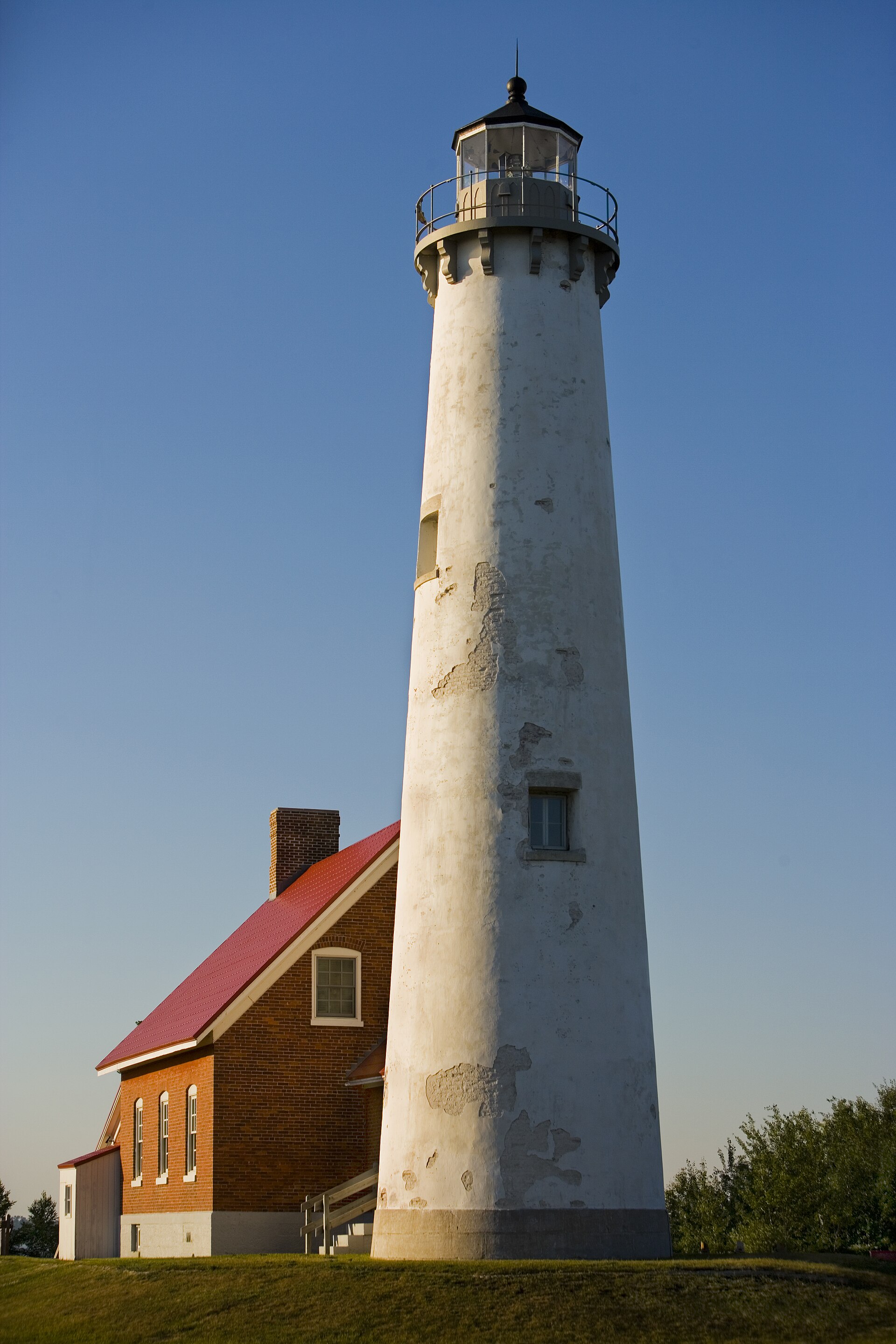
Tawas Point State Park occupies a narrow, curving sand spit that reaches out into Lake Huron to form Tawas Bay, and the resemblance between this sandy, wind-swept peninsula and the far more famous Massachusetts coastline has earned it the enduring, only-half-joking nickname "the Cape Cod of the Midwest," a comparison that holds up surprisingly well once a visitor is actually standing on the point watching waves roll in against the beach grass and dune. The park's centerpiece, the Tawas Point Light, stands as the only true Victorian-style lighthouse station remaining anywhere on the Great Lakes, its ornate ironwork and architectural detailing a marked departure from the more utilitarian towers found at most other Michigan light stations.
The point's isolated position, jutting well out into open water, also makes it one of the more significant songbird migration bottlenecks in the entire state, drawing serious birders each spring and fall who come specifically to watch waves of warblers and other migratory species funnel along the peninsula's narrow strip of habitat. Combined with a genuinely excellent swimming beach on the bay side, Tawas Point manages the rare trick of satisfying both the birding crowd and the beach-towel crowd within the same short walk from the parking area.
Two Cities, One Bay
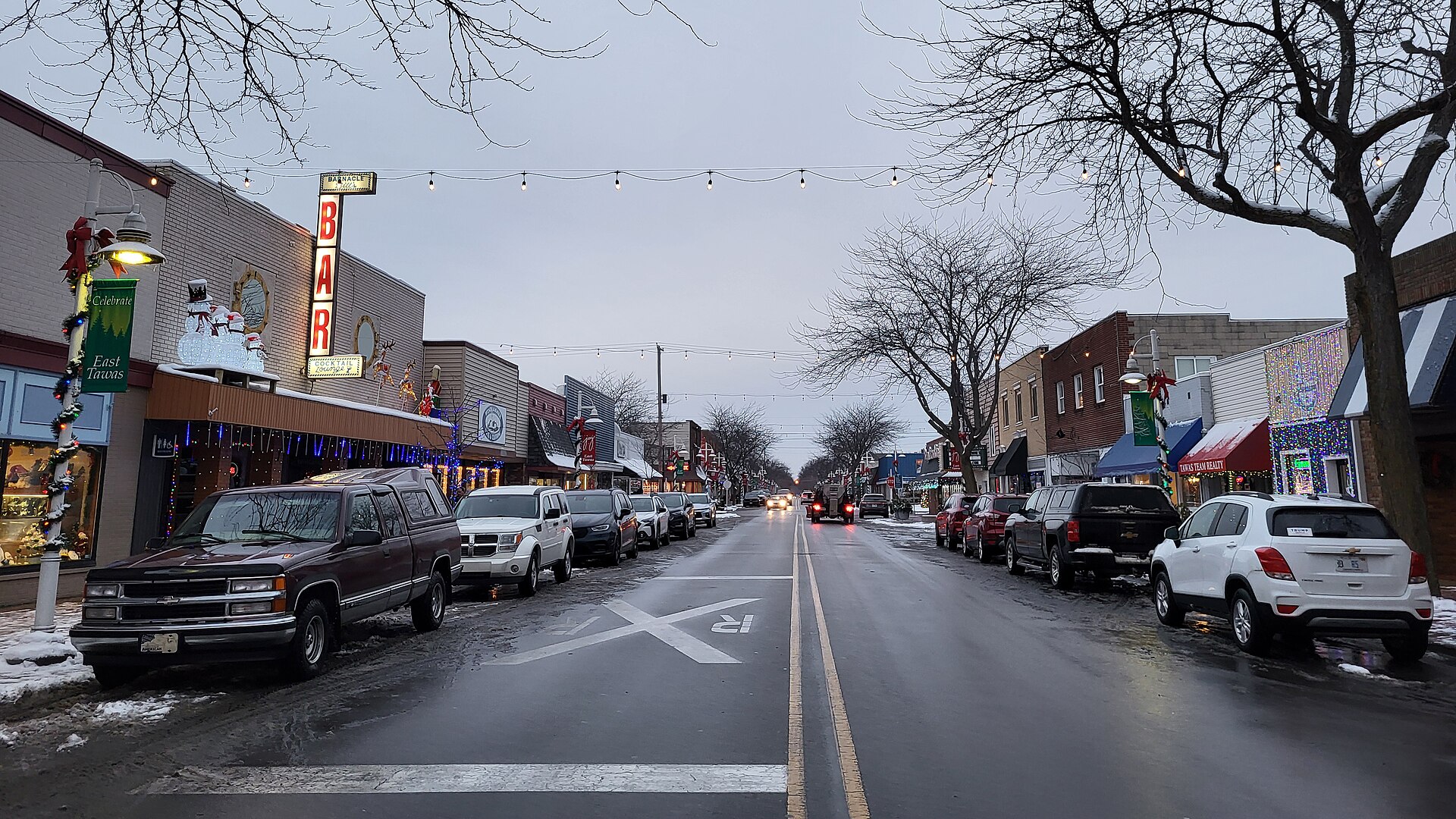
East Tawas incorporated as a village in 1887 and achieved city status in 1895, developing a compact, walkable downtown along the bay that today anchors most of the area's restaurants, shops, and marina activity, while Tawas City, just across the boundary line, retains the county seat function and a quieter, more residential character. The practical result for visitors is a single continuous resort experience that happens to be governed by two separate city halls, with the specific dividing line rarely mattering to anyone besides the two municipal governments themselves.
Summer in the Tawas area revolves heavily around the bay itself, with sailing, charter fishing for Lake Huron's walleye and salmon, and a marina culture that fills the harbor with boats from Memorial Day through Labor Day, while the surrounding state forest land offers a quieter, more wooded counterpoint for visitors who tire of the waterfront crowds. The area's relative distance from Michigan's more heavily trafficked interstate corridors has kept it comparatively uncrowded even during peak summer weekends, a quality longtime visitors tend to guard closely rather than advertise too loudly.