Standish anchors Arenac County along Michigan's Saginaw Bay coastline, a modest county seat whose very name reflects the personal whims of the single landowner who platted the entire town and then, having second thoughts, changed his mind about what to call it.
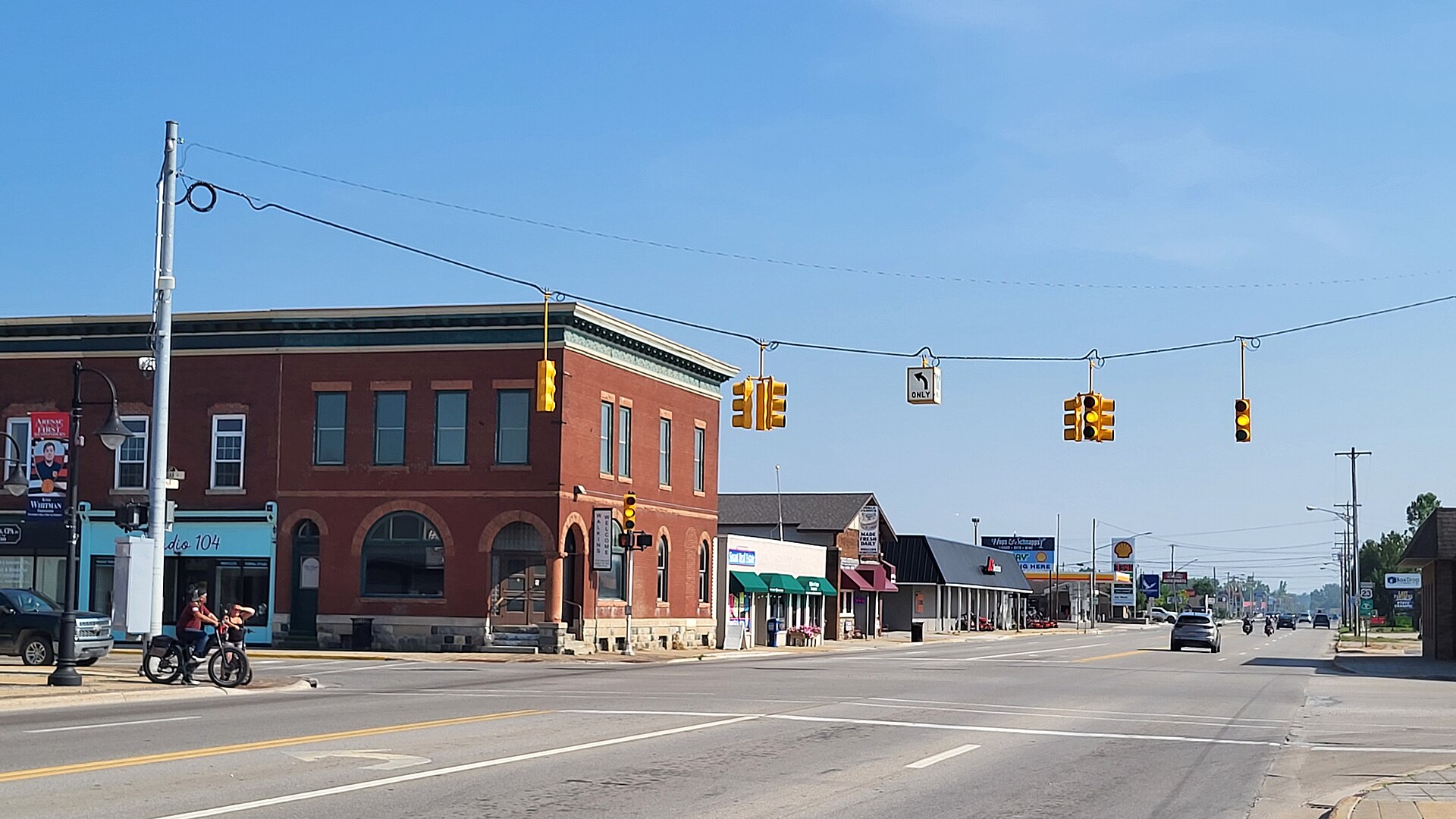
Named Twice by the Same Man
John D. Standish platted the town in 1871 on land he owned outright, initially naming his new settlement Granton, though he apparently reconsidered that choice before it had much chance to stick, changing the name back to Standish, after himself, not long afterward. The Jackson and Lansing Railroad reached the young settlement that same year, and the first hotel, aptly named The Standish House and built by a Bay County sheriff, opened alongside the new rail connection before eventually burning down in March 1902, a fire that claimed one of the town's earliest commercial landmarks.
That direct, unapologetic naming choice, a town named for its own founder rather than any borrowed place name or natural feature, gives Standish a refreshingly straightforward origin story compared to the more elaborate naming legends attached to many of its Michigan peers.
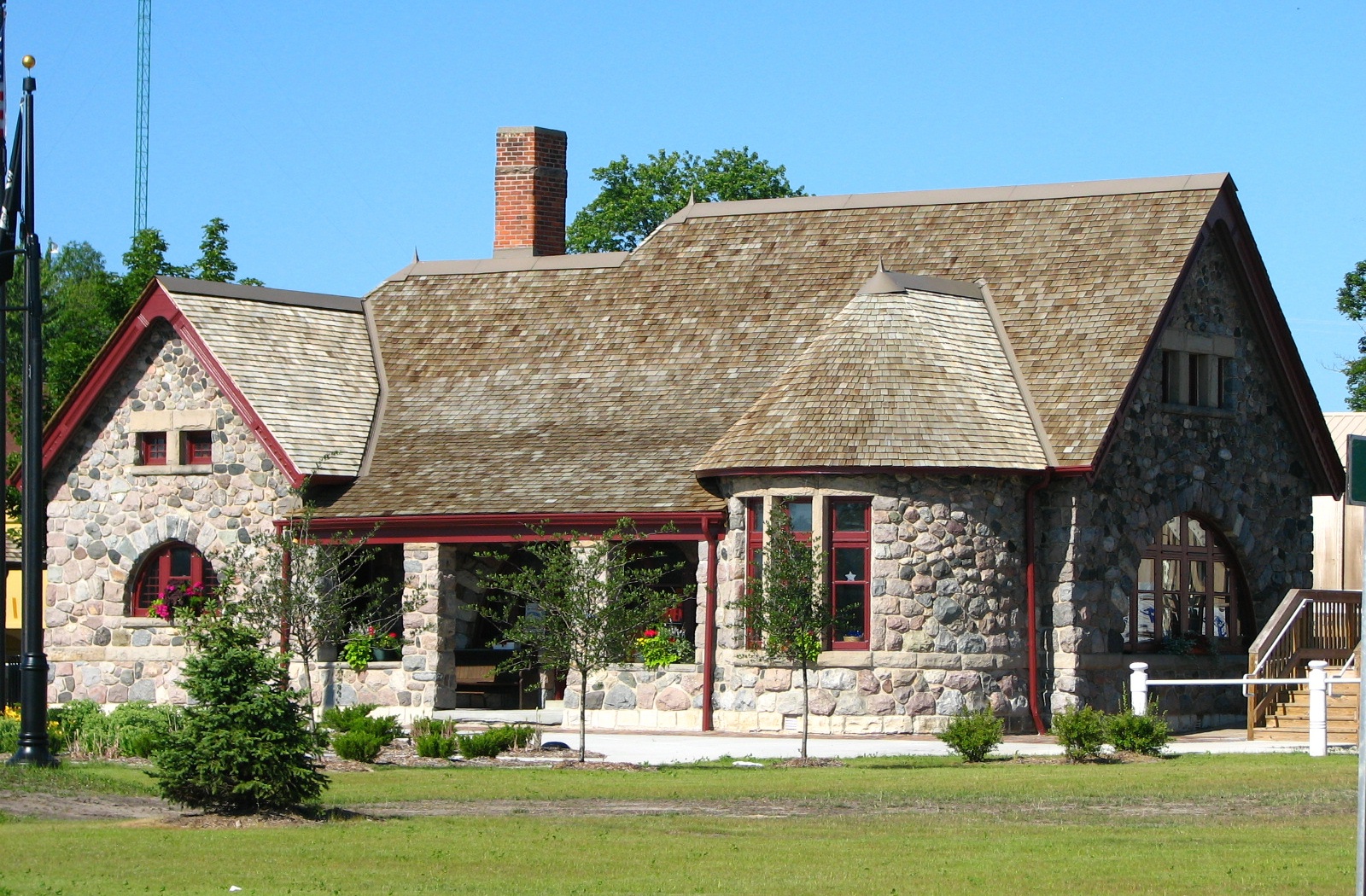
The County Seat, Won by Vote
Arenac County's own history is almost as tangled as its seat town's naming: the county was originally created by the Michigan Territory in 1831, only to be legally eliminated when Bay County formed in 1857 and absorbed its territory, before Arenac County was re-created in 1883 from Bay County's northern townships, with somewhat different boundaries than its original 1831 incarnation. Standish's own claim on the county seat came later still, secured through a countywide vote in 1891 that formally moved the county government to the town, cementing Standish's central role in Arenac County civic life ever since.
That combination, a county resurrected from legal dissolution and a seat town won through ballot rather than founding-era default, gives Standish's civic history a genuinely more complicated backstory than its quiet present-day Main Street might suggest to a passing visitor.