In This Guide
Père Marquette and Mission History Watching the Bridge From Below Ferries, Fudge, and the Island BeyondEvery visitor bound for Mackinac Island by way of the Upper Peninsula passes through St. Ignace, a town that has spent three and a half centuries as a crossing point — first for Jesuit missionaries and Odawa and Ojibwe communities, later for railroad car ferries, and now for the tourists queuing at its ferry docks each summer morning. It is easy to treat St. Ignace as a mere ferry terminal; it rewards those who don't.
Père Marquette and Mission History
Father Jacques Marquette established a mission here in 1671, and the Museum of Ojibwa Culture, built on the mission's original site, traces both the Jesuit presence and the far older Anishinaabe history of the Straits region, where the Ojibwe and Odawa fished the treacherous currents for whitefish long before European contact. Marquette's remains are believed to be interred nearby, making St. Ignace one of the oldest continuously significant sites in the Great Lakes.
Watching the Bridge From Below
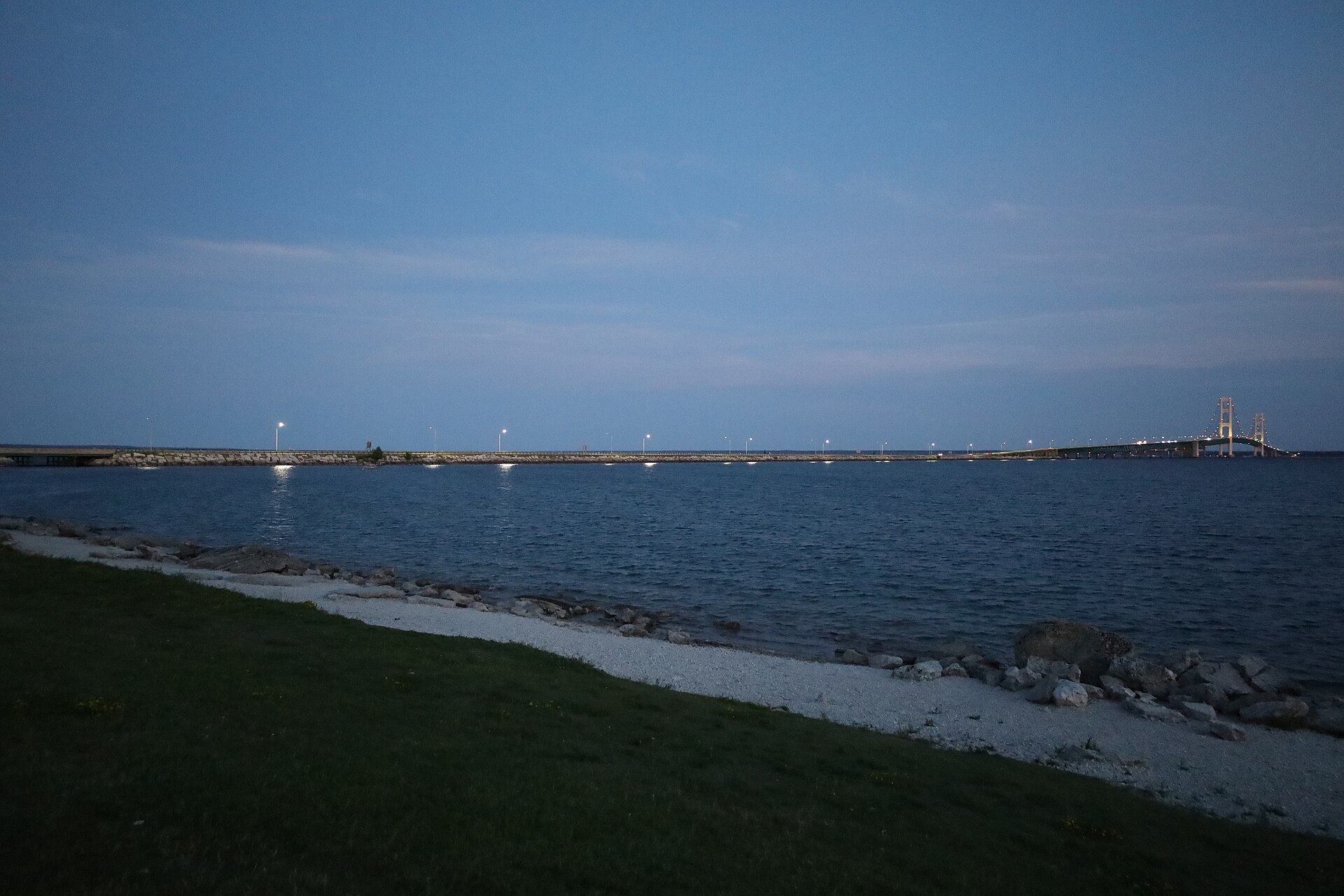
The Mackinac Bridge, a five-mile suspension span connecting Michigan's two peninsulas, is best appreciated from St. Ignace's shoreline, where its towers rise directly out of the water at a scale that photographs rarely convey. Straits State Park, on the town's edge, offers a bridge-view campground and picnic area angled precisely for sunset photography as the span catches the day's last light.
Ferries, Fudge, and the Island Beyond
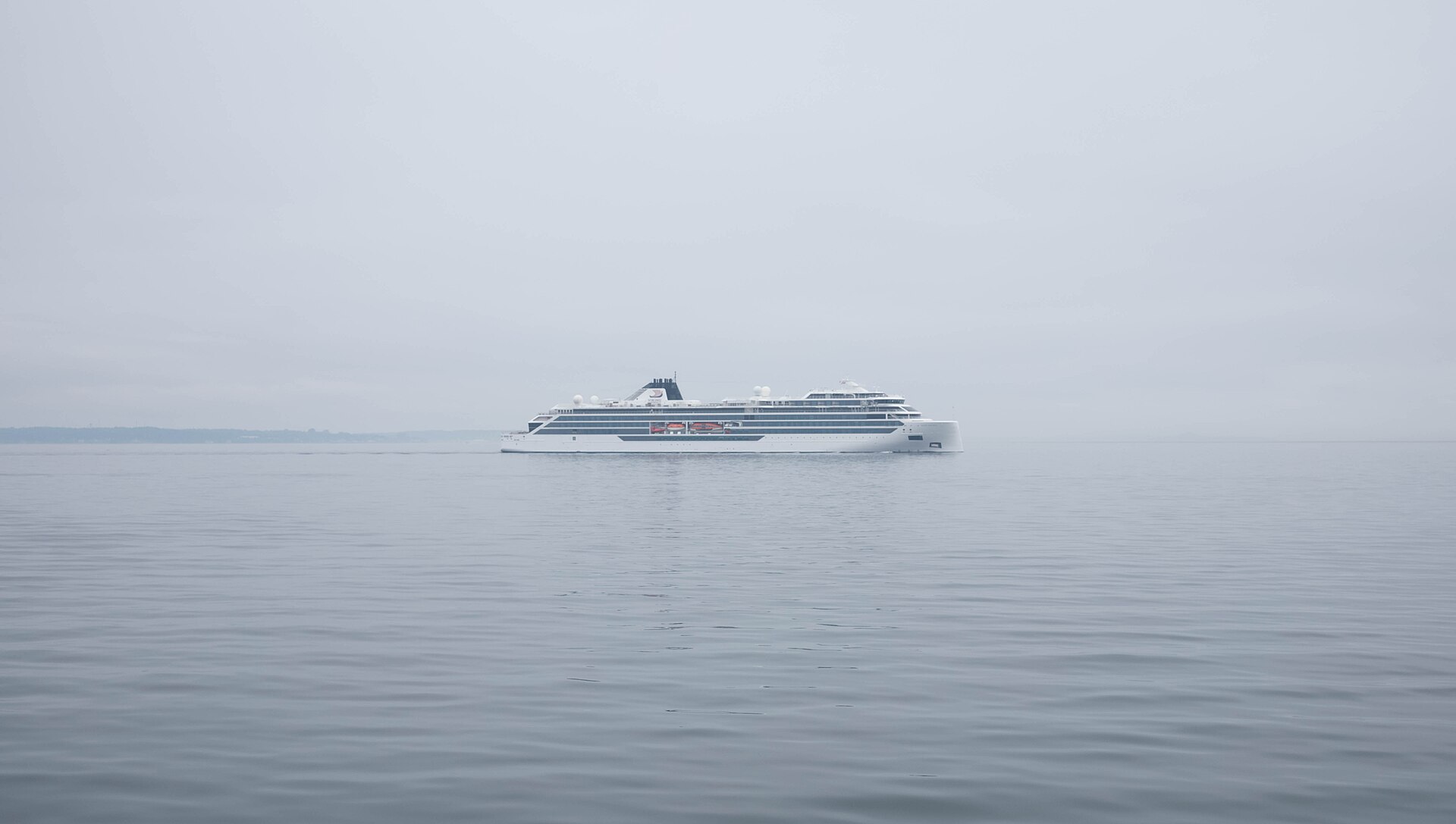
Three ferry companies operate from St. Ignace's docks to Mackinac Island, and the short crossing itself has become part of the regional ritual — passengers crowding the top deck for a photo as the bridge recedes and the island's Victorian silhouette comes into view. Downtown, a strip of fudge shops and souvenir stores caters unapologetically to the ferry crowds, but a few blocks removed from the waterfront, St. Ignace still functions as a modest year-round Upper Peninsula town, largely emptied of tourists by October and settling back into itself for the winter.