Niles sits on the banks of the St. Joseph River in Michigan's far southwestern corner, close enough to the Indiana border that the city has long functioned as a genuine crossroads community, and its nickname, the City of Four Flags, reflects a colonial history considerably longer and more contested than almost any other town in the state can claim. Four separate national flags have flown over this exact stretch of riverbank across roughly three centuries of recorded history, a distinction earned through the site's strategic position rather than any deliberate frontier ambition on the part of its original French founders.
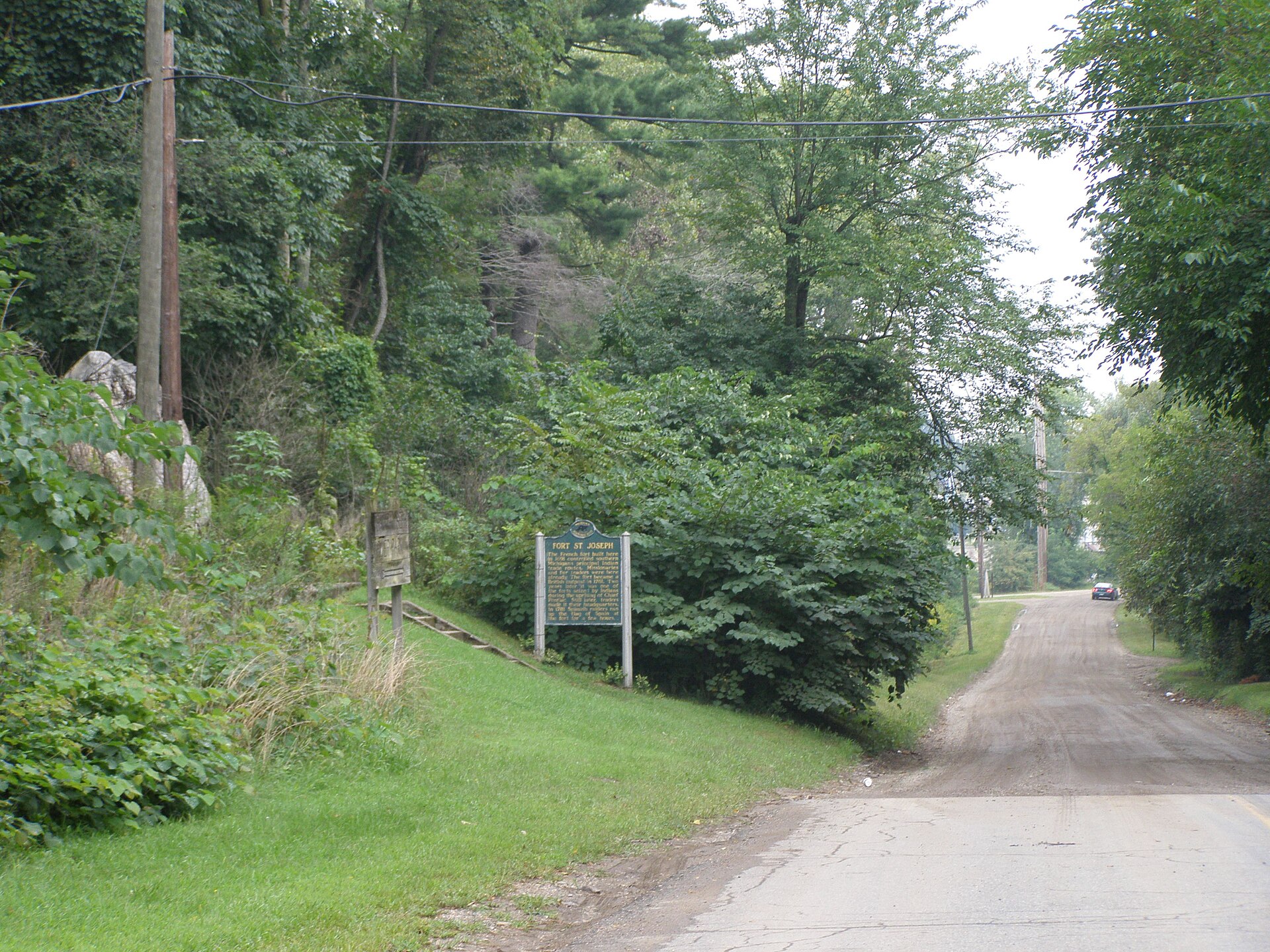
Four Flags Over Four Centuries
French colonists established a Jesuit mission at the site in 1691, followed six years later by Fort St. Joseph, a fortified trading post built specifically to protect the mission and the lucrative fur trade the St. Joseph River corridor supported, and French control of the fort persisted for decades under the fleur-de-lis. British forces assumed control after 1761 following the broader collapse of French colonial power in North America, only to lose the fort in May 1763 when Native American forces captured it during the widespread uprising historians now call Pontiac's Rebellion, one of the earliest and most successful coordinated Native resistance actions against European colonial expansion in the region.
A Spanish military expedition briefly held the fort during the American Revolutionary War, adding a third flag to the site's history before American forces eventually assumed permanent control, and the cumulative result of French, British, Spanish, and American occupation over less than a century gives Niles a legitimate claim to hosting more distinct national flags than almost any other settlement site in the entire Midwest. Local commemoration of this history remains genuinely earnest rather than merely decorative, with the Fort St. Joseph archaeological site and associated museum exhibits continuing to document new findings from ongoing excavation work at the original fort location.
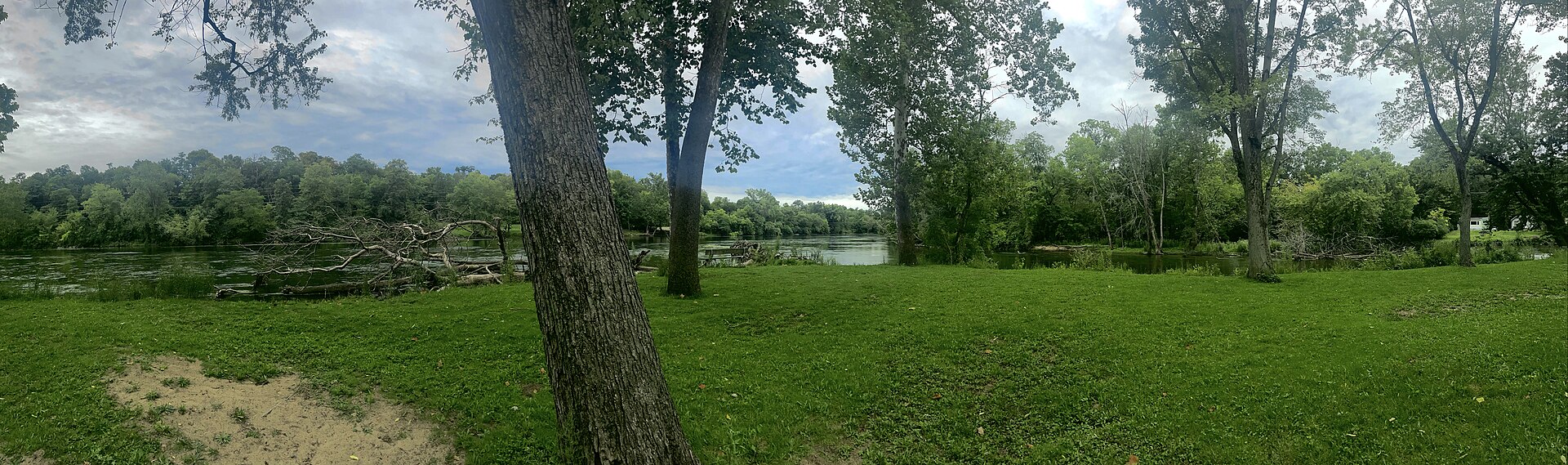
A River Town Today
Modern Niles has settled into a quieter identity as a modest St. Joseph River community, its historic downtown reflecting more than a century of continuous American development layered atop the earlier colonial history that gave the city its enduring nickname. The river that once anchored the French fur trade still runs directly through town, and a network of parks and walking paths along its banks give present-day visitors a considerably more peaceful vantage point on the water than the fort's original occupants, focused as they were on trade routes and territorial control, would likely have taken the time to appreciate.
The city's four-flags history remains its most distinctive calling card for visitors specifically interested in colonial-era Midwest history, a niche appeal that nonetheless draws a steady stream of history-minded travelers to a stretch of southwestern Michigan that might otherwise see considerably less dedicated tourist attention than the state's more heavily marketed lakeshore destinations.