In This Guide
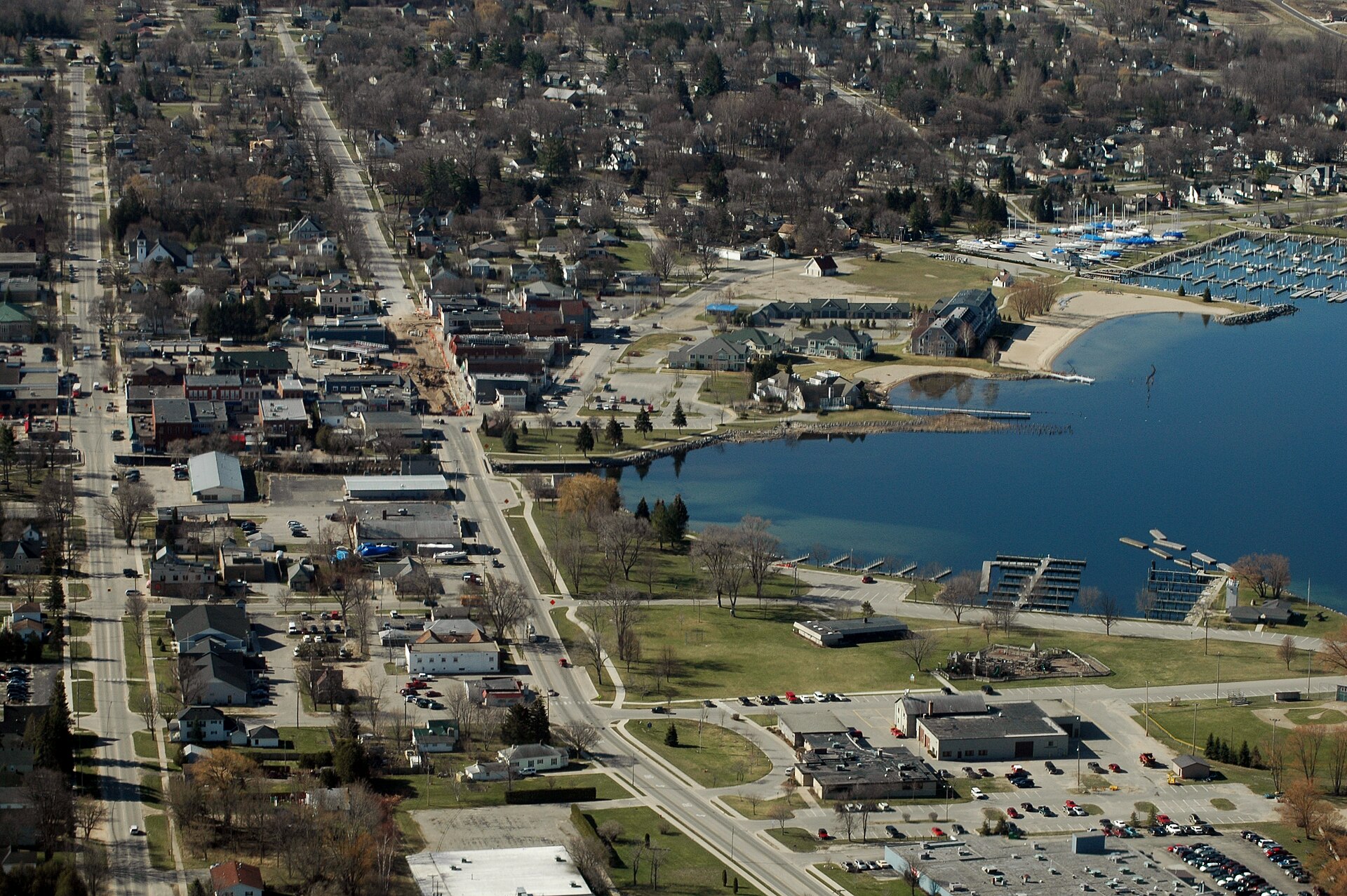
A River Named for Ireland, Twice Removed From Lumber Capital to Four-Season PlaygroundBoyne City sits at the eastern end of Lake Charlevoix, a lake so large and so deeply connected to Lake Michigan by its own navigable channel that early visitors often mistook it for one of the Great Lakes themselves, and the town's slightly incongruous Irish name traces back to a moment of pure homesickness from its earliest settlers rather than any deliberate branding effort. What began as a nineteenth-century lumber boomtown, complete with the rapid population growth and equally rapid industrial reinvention typical of Michigan's timber era, has since settled into a genuinely appealing four-season small town built around the same water that first drew settlers to the site.
A River Named for Ireland, Twice Removed
John and Harriet Miller arrived at the shore of what was then called Pine Lake in November 1856, and while exploring the surrounding shoreline, John and his sons discovered a river flowing into the lake that reminded them, apparently quite strongly, of the River Boyne in County Leinster, Ireland, a resemblance sentimental enough that the name stuck to both the river and, eventually, the town that grew up along its banks. Land speculator George F. Beardsley platted the village in 1877 and spent the following decade investing heavily in its development, and the settlement incorporated as a village in 1885 before formally adopting the name Boyne City in 1904 and achieving full city status in 1907.
Pine Lake itself was renamed Lake Charlevoix sometime after the town's founding, honoring the same French Jesuit explorer for whom the nearby city of Charlevoix is named, though the river and the city built beside it kept their borrowed Irish name regardless of what the lake itself happened to be called at any given point in the nineteenth century.
From Lumber Capital to Four-Season Playground
The Boyne River carried felled logs down to the town's lumber mills throughout the latter half of the nineteenth century, and Boyne City briefly held genuine claim to the title of lumber capital of northwest Michigan, a boom substantial enough that the town's population rocketed from under a thousand residents in 1900 to nearly six thousand just a decade later. When the accessible timber supply inevitably thinned, the local economy pivoted toward manufacturing, with chemical production, brick-making, and leather tanning all taking their turn as the dominant industry through the early and middle twentieth century.
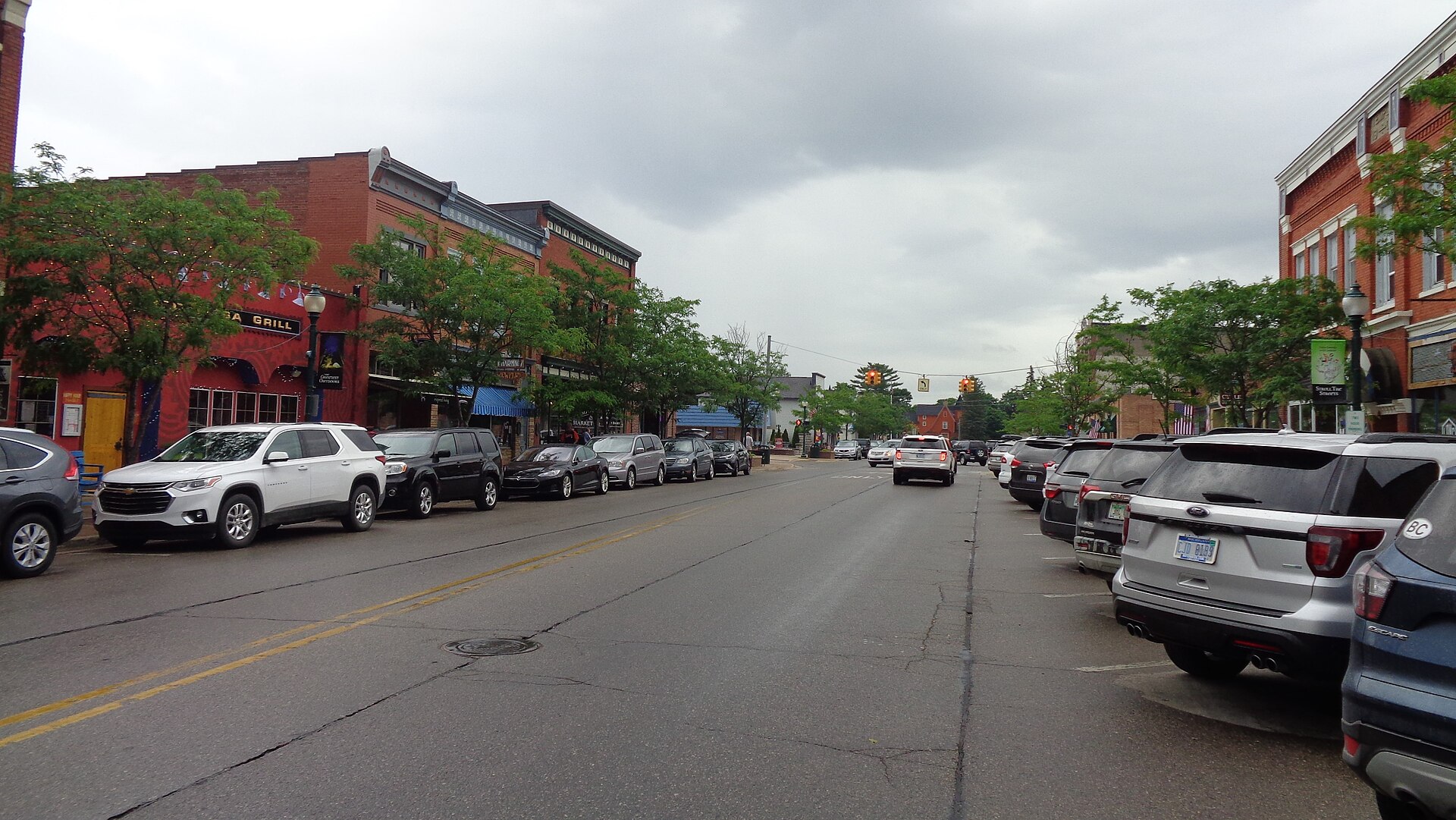
Modern Boyne City has settled into a considerably quieter identity built around Lake Charlevoix's recreational appeal, its walkable downtown and public marina drawing boaters and lake-town tourists throughout the summer months, while the surrounding hill country's proximity to major regional ski terrain gives the area a genuine winter season as well. The net effect is a town whose economic history reads like a condensed tour of nearly every phase of northern Michigan's development, from timber to industry to tourism, without ever losing the small-town scale that made the Millers stop here in the first place.